Complete Rajasthan Travel Itinerary: Best Destinations and Places to Visit for Your Perfect Trip to Rajasthan India

|
Getting your Trinity Audio player ready...
|
Your Complete Guide to Rajasthan’s Royal Heritage
Rajasthan, India’s “Land of Kings,” offers an extraordinary journey through majestic forts, vibrant culture, and stunning desert landscapes. This comprehensive guide provides essential travel information, detailed itineraries for 5-10 day trips, and practical tips to help you experience the best of Jaipur’s pink palaces, Udaipur’s romantic lakes, Jodhpur’s blue city charm, and Jaisalmer’s golden desert adventures.
Rajasthan, India’s “Land of Kings,” is renowned for its majestic forts, vibrant culture, and stunning landscapes. Planning a trip to Rajasthan can be overwhelming given the diverse offerings. This itinerary provides essential travel information, destination overviews, and practical tips to ensure an unforgettable journey, whether you have five days or ten.
Planning your trip to Rajasthan – Essential travel information
A trip to Rajasthan, the Land of Kings, promises an unforgettable dive into India’s rich heritage. For a deeper dive into all the region has to offer, explore our Rajasthan archives. Careful planning is key to crafting the perfect itinerary, ensuring you experience the state’s majestic palaces, vibrant bazaars, and stunning desert landscapes to the fullest.
Best Time to Visit Rajasthan
The best time to visit Rajasthan is between October and March. These winter months offer pleasant daytime temperatures, generally ranging from 20°C to 30°C, ideal for exploring forts and markets. The summer months (April to June) can be intensely hot, with temperatures exceeding 45°C, potentially limiting outdoor activities. While the monsoon season (July to September) brings rain that can disrupt travel, it also transforms the landscape, offering a unique perspective.
Visa Requirements for International Visitors
For international visitors, a valid visa is required to enter India. The e-visa system simplifies the process for many nationalities, with online applications typically processed within 4-7 business days. Tourist visas offer more flexibility for longer stays or multiple entries. Ensure your passport is valid for at least six months and has sufficient blank pages.
Transportation Options in Rajasthan
-
Domestic Flights: Connect major cities such as Jaipur, Jodhpur, and Udaipur, saving time for those on shorter trips
- Railway Network: Provides an authentic experience, though booking in advance is crucial, especially during peak season
- Bus Services: State-run and private buses offer affordable connections between cities
- Private Car Hire: Maximum flexibility with a driver for comfortable travel
Accommodation options range from budget-friendly guesthouses to lavish heritage hotels in former palaces. Many royal residences now offer immersive experiences in Rajasthani hospitality. Desert camps near Jaisalmer provide unique overnight stays under the stars, while boutique hotels in city centers blend modern amenities with traditional architecture.
With the essentials covered, it’s time to explore the diverse destinations that make Rajasthan a traveler’s paradise.
Places to visit in Rajasthan India – Top destinations overview
Rajasthan is a land of captivating contrasts, offering a wealth of destinations that showcase India’s royal past. The state’s most famous cities form a “golden triangle” of cultural experiences, complemented by lesser-known gems that offer a glimpse into authentic local life.
Rajasthan’s Must-Visit Cities
- Jaipur (Pink City): Perfect introduction to Rajasthan’s grandeur with pink-hued buildings, stunning palaces, and vibrant bazaars
- Udaipur (City of Lakes): Romantic lakeside setting with pristine white palaces and breathtaking sunset views
- Jodhpur (Blue City): Distinctive blue-painted old city with imposing Mehrangarh Fort and desert essence
- Jaisalmer (Golden City): Honey-colored sandstone architecture rising from the desert with living fort and camel safaris
Jaipur, known as the Pink City, provides a perfect introduction to Rajasthan’s grandeur. Its pink-hued buildings house stunning palaces, astronomical observatories, and lively bazaars where artisans practice age-old crafts. Jaipur seamlessly blends history with modern conveniences, making it an excellent base for first-time visitors.
Udaipur, the City of Lakes, enchants with its romantic lakeside setting and pristine white palaces. Often called the “Venice of the East,” Udaipur offers boat rides past floating palaces and breathtaking sunset views. The City Palace complex exemplifies architectural brilliance spanning centuries.
Jodhpur’s distinctive blue-painted old city creates a striking visual against the backdrop of the Thar Desert. The imposing Mehrangarh Fort dominates the skyline, offering panoramic views of the azure cityscape. Jodhpur captures the essence of desert life and Rajput valor.
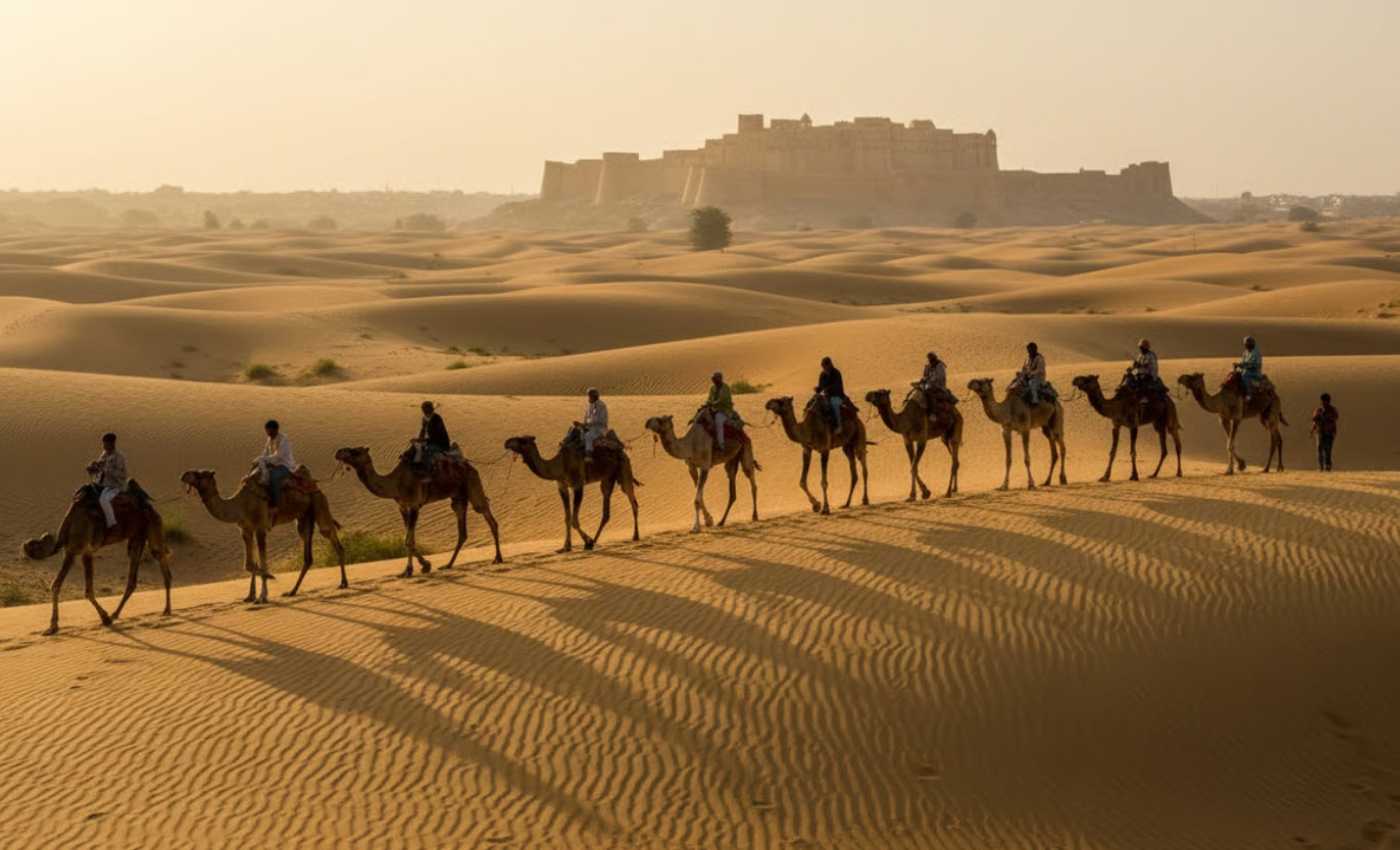
Jaisalmer appears as a golden mirage rising from the desert. Its honey-colored sandstone architecture gives it the name “Golden City.” The living fort is home to a thriving community within its ancient walls, while the surrounding dunes offer camel safaris and desert camping.
Beyond these major cities, Rajasthan holds treasures such as Pushkar’s sacred lake and Brahma temple, Mount Abu’s refreshing hill station retreat, and Ranthambore’s tiger reserve. Each destination adds to the rich tapestry of experiences that highlight the state’s cultural and natural diversity.
Now, let’s explore how to make the most of your time with suggested itineraries for 5, 7, and 10-day trips.
Rajasthan itinerary 5 days – Perfect short trip plan
A five-day trip through Rajasthan provides a concentrated introduction to the state’s most iconic destinations. This itinerary is designed to maximize your time, ensuring comfortable travel and thorough exploration of each location’s highlights.
How to Experience Rajasthan in 5 Days
- Day 1 – Arrival in Jaipur: Begin your adventure in the Pink City. Focus on settling in and exploring the immediate surroundings. Visit the City Palace complex, where royal families still reside in private quarters, while public areas display centuries of artistic achievements. The nearby Jantar Mantar showcases ancient Indian scientific advancements through its large stone instruments. Conclude your day by exploring the vibrant bazaars of the old city, where you can see traditional crafts being made and purchase souvenirs.
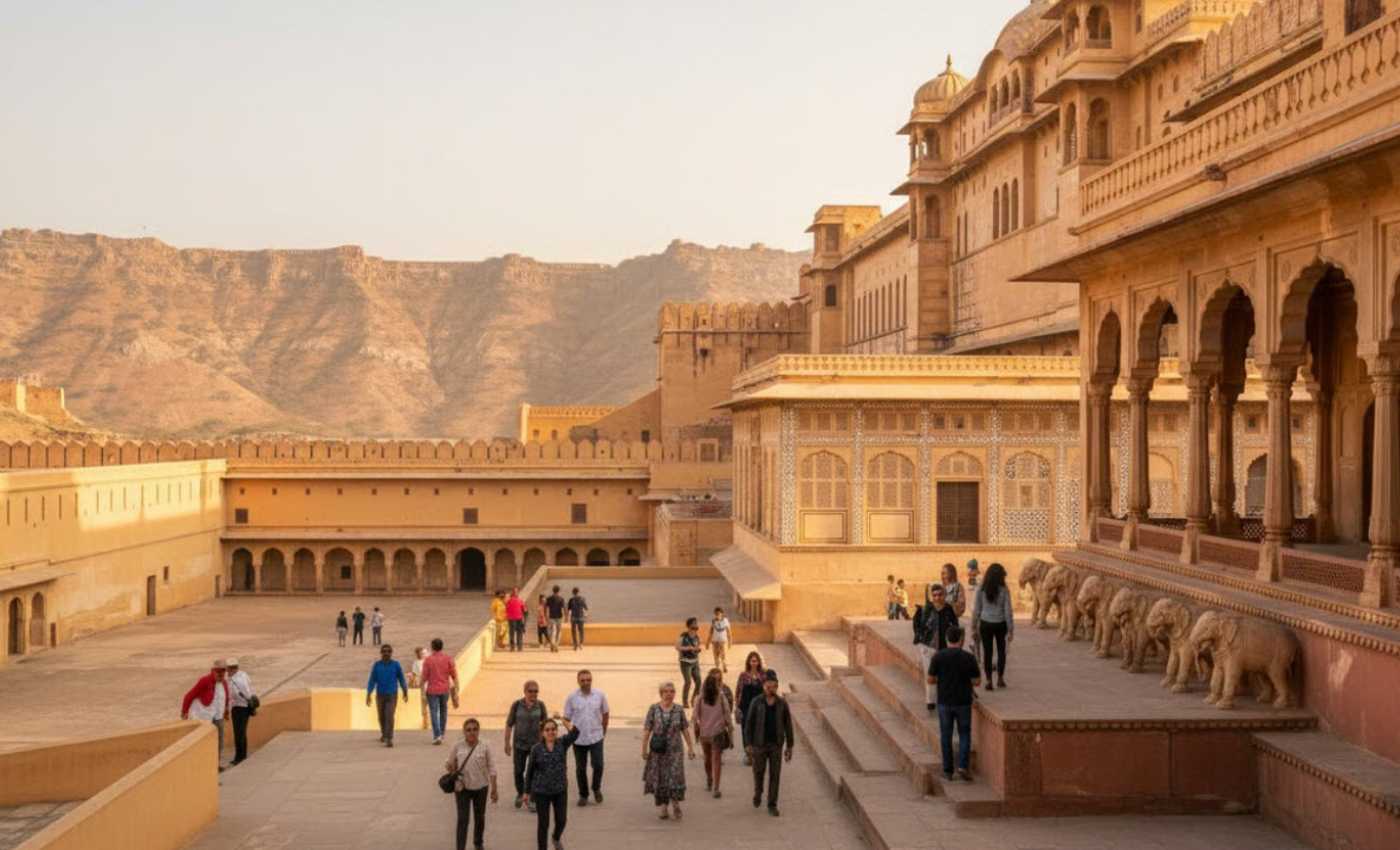
- Day 2 – Jaipur’s Highlights: Dedicate your second day to Jaipur’s most impressive sites. The Amber Fort, located on a hilltop just outside the city, exemplifies Rajput architecture with its mirrored halls and detailed frescoes. The Hawa Mahal, or Palace of Winds, offers excellent photo opportunities with its unique honeycomb facade, designed to allow royal women to observe street life discreetly. Consider a traditional Rajasthani dinner with cultural performances to immerse yourself in local traditions.
- Day 3 – Journey to Pushkar: Travel to Pushkar, a sacred pilgrimage site for Hindus. The journey takes about three hours by road, offering views of rural Rajasthan. Upon arrival, visit the Brahma Temple and take a peaceful walk around Pushkar Lake, where pilgrims perform ritual baths. The town’s relaxed atmosphere provides a contrast to Jaipur’s energy.
- Day 4 – Pushkar to Jodhpur: Continue to Jodhpur, the Blue City, departing from Pushkar in the morning. The four-hour drive reveals changing landscapes as you approach the Thar Desert. Explore Mehrangarh Fort, one of India’s largest and most impressive fortifications. The fort’s museum houses a remarkable collection of royal artifacts, and its ramparts offer stunning views of the blue city.
- Day 5 – Jodhpur Exploration and Departure: Spend your final morning exploring Jodhpur’s old city, with its narrow lanes winding through blue-painted houses and traditional markets. Visit Jaswant Thada, an elegant marble memorial. If time allows, explore Umaid Bhawan Palace. Depending on your departure schedule, fly directly from Jodhpur or return to Jaipur for onward connections.
For those with a few extra days, a 7-day itinerary allows for a more comprehensive experience.
Rajasthan trip for 7 days – Comprehensive week-long journey
A seven-day trip to Rajasthan allows for a more relaxed pace while still covering the state’s essential destinations. This itinerary balances cultural immersion with comfortable travel, ensuring you experience Rajasthani heritage without feeling rushed.
7-Day Rajasthan Journey Step-by-Step
- Days 1-2 – Jaipur Immersion: Begin with two full days in Jaipur, allowing for a thorough exploration of the Pink City’s treasures. Beyond Amber Fort and City Palace, delve into local culture by visiting workshops where artisans create block-printed textiles, blue pottery, and jewelry. Take a cooking class to learn about Rajasthani cuisine, or enjoy a vintage car tour through the city’s colonial areas. This extra time allows for spontaneous discoveries and interactions with locals.
- Day 3 – Jaipur to Pushkar: Travel to Pushkar, stopping at Ajmer to visit the Ajmer Sharif Dargah, an important Sufi shrine. This site attracts pilgrims of all faiths and offers insights into India’s diverse religious traditions. Continue to Pushkar for the evening, allowing time to witness the sunset over the sacred lake.
- Day 4 – Pushkar to Jodhpur: After a morning in Pushkar, perhaps with a sunrise camel ride, travel to Jodhpur. Arrive in the afternoon, allowing time to settle in and explore the blue city’s streets. Evening visits to local markets reveal daily life and offer opportunities to sample regional specialties.
- Day 5 – Jodhpur Exploration: Dedicate a full day to Jodhpur’s attractions, starting with an early visit to Mehrangarh Fort to avoid crowds and capture the best light. Explore the fort’s palaces, each showcasing aspects of Rajput lifestyle and artistry. Afternoon visits to Jaswant Thada and the Clock Tower market provide contrasting experiences.
- Day 6 – Jodhpur to Udaipur: The scenic drive to Udaipur takes you through the Aravalli Hills. Upon arrival in the City of Lakes, take an evening boat ride on Lake Pichola to witness the city’s magical transformation as palace lights reflect in the water.
-
Day 7 – Udaipur and Departure: Your final day focuses on Udaipur’s attractions, including the City Palace complex. Visit Saheliyon-ki-Bari gardens and explore the old city’s lanes filled with art galleries and craft shops. Depending on your departure time, catch a cultural performance at Bagore-ki-Haveli or enjoy a farewell dinner overlooking the lake.
For the ultimate Rajasthan experience, consider a 10-day itinerary that allows for deeper exploration and off-the-beaten-path adventures.
Rajasthan itinerary 10 days – Extended exploration guide
A ten-day trip through Rajasthan allows for a deeper cultural understanding and exploration of lesser-known destinations alongside iconic sites. This itinerary provides time for discoveries, local interactions, and a comprehensive appreciation of the state’s landscapes and communities.
Complete 10-Day Rajasthan Adventure
- Days 1-3 – Jaipur Deep Dive: Begin with three days in Jaipur, venturing beyond typical tourist spots. Visit the Albert Hall Museum for insights into Rajasthani folk culture, explore Nahargarh Fort for city views, and take day trips to the Chand Baori stepwell in Abhaneri. This time enables participation in local festivals or extended shopping for unique handicrafts.
- Day 4 – Jaipur to Pushkar via Ajmer: Travel to Pushkar with a stop in Ajmer, allowing exploration of the Ajmer Sharif Dargah complex and Ana Sagar Lake. The journey provides opportunities to witness rural life and stop at roadside dhabas for local meals. Arrive in Pushkar in the evening for a sunset walk around the lake.
- Day 5 – Pushkar Exploration: Dedicate a full day to Pushkar’s attractions. Beyond the Brahma Temple, explore other temples and ashrams. Take a camel safari, visit local markets for textiles and jewelry, or participate in yoga sessions. The relaxed pace allows for conversations with pilgrims and locals.
- Days 6-7 – Jodhpur Extended Stay: Two days in Jodhpur provide time for exploration. Beyond Mehrangarh Fort, visit Mandore Gardens, explore Sardar Market, and take heritage walks through the blue-painted neighborhoods. Consider day trips to nearby villages to witness crafts like pottery and textile weaving.
- Days 8-9 – Udaipur Comprehensive Experience: Your stay in Udaipur allows for exploration. Visit palaces including the Lake Palace and Jag Mandir, explore the Shilpgram rural arts complex, and take boat rides. Visit nearby attractions like the Monsoon Palace or Eklingji Temple.
-
Day 10 – Udaipur to Mount Abu: Conclude your journey with a visit to Mount Abu, Rajasthan’s only hill station. The climate and landscapes provide a contrast to the desert cities. Visit the Dilwara Temples, enjoy sunset views from Sunset Point, and take walks around Nakki Lake.
Each city in Rajasthan offers a unique flavor and set of experiences. Let’s delve into the essentials of Jaipur, the Pink City.
Jaipur – The Pink City essentials
Jaipur, the Pink City, is a treasure trove of royal heritage and artistic achievement. For those planning a shorter visit, an ultimate 3-day itinerary for Jaipur can help maximize your time in this vibrant capital. The city’s organized planning, dating back to the 18th century, resulted in wide boulevards and structured markets that make exploration a pleasure. Understanding Jaipur’s key attractions ensures you experience the best of this capital city.
Top Jaipur Attractions
- Amber Fort: Prime example of Rajput military architecture with magical Sheesh Mahal mirror work
- City Palace: Living royal residence with museums showcasing centuries of artifacts and traditions
- Hawa Mahal: Iconic honeycomb facade designed for royal women to observe street life discreetly
- Jantar Mantar: UNESCO World Heritage astronomical observatory with the world’s largest stone sundial
- Traditional Bazaars: Johari Bazaar for jewelry and Bapu Bazaar for textiles and handicrafts
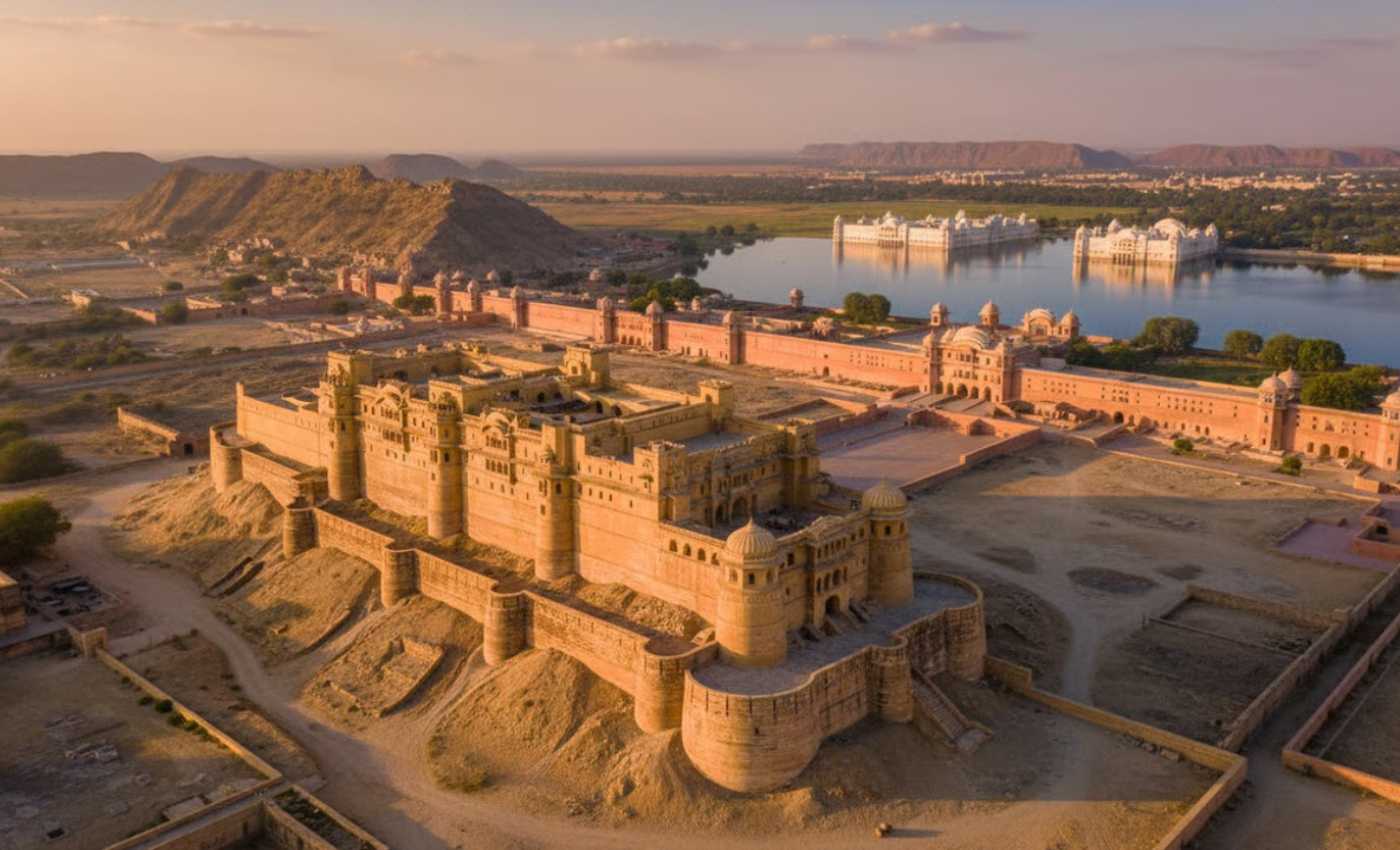
The Amber Fort is a prime example of Rajput military architecture, strategically positioned on a hilltop overlooking Maota Lake. Its courtyards reveal increasing levels of luxury, culminating in the Sheesh Mahal, where thousands of tiny mirrors create magical light effects. The fort’s location and water management systems highlight the engineering skills of its builders.
Within the city walls, the City Palace complex continues to serve as a royal residence, while its courtyards and museums are open to visitors. The palace showcases the evolution of Rajput architecture and houses a collection of royal artifacts, including weapons, textiles, and manuscripts. The Chandra Mahal, still occupied by the royal family, represents a living heritage where traditions continue.
The Hawa Mahal, with its honeycomb facade, was designed to allow royal women to observe street festivities discreetly. Its 953 small windows create natural air conditioning, demonstrating an understanding of climate control in traditional architecture. The palace’s design has made it Jaipur’s most recognizable landmark.
Jantar Mantar, built by Maharaja Jai Singh II, houses the world’s largest stone sundial and other instruments for celestial observations. This UNESCO World Heritage site demonstrates the scientific achievements of 18th-century India and continues to provide astronomical readings.
Jaipur’s bazaars offer cultural experiences where traditional crafts thrive. The Johari Bazaar specializes in jewelry and gems, while Bapu Bazaar features textiles and handicrafts. These markets provide opportunities to see artisans at work and purchase Rajasthani crafts directly from the source.
Next, we journey to Udaipur, the City of Lakes, known for its romantic ambiance and stunning palaces.
Read Also : Complete Jaipur Travel Guide: Best Tourist Places to Visit in the Pink City
Udaipur – City of Lakes and palaces
Udaipur enchants with its beauty, where white palaces reflect in tranquil lakes surrounded by the Aravalli Hills. This city represents the romantic pinnacle of Rajasthani architecture, where Mewar rulers created a paradise that continues to captivate visitors.
Udaipur’s Romantic Highlights
- Lake Pichola: Central to Udaipur’s charm with floating island palaces and boat rides
- City Palace Complex: Centuries of architectural evolution with museums and stunning lake views
- Lake Palace: Marble palace appearing to float on water, now a luxury hotel
- Jag Mandir: Island palace refuge with gardens and pavilions accessible by boat
- Saheliyon-ki-Bari: Royal gardens with fountains and water management systems
Lake Pichola is central to Udaipur’s charm, with island palaces that appear to float. The Lake Palace, now a luxury hotel, seems to rise from the water, its marble walls creating reflections. Boat rides across the lake offer views of the city’s palaces and ghats.
The City Palace complex, along Lake Pichola’s eastern shore, represents centuries of architectural evolution. Its palaces showcase the artistic preferences of rulers, from mirror work to miniature paintings. The palace museums house collections of royal artifacts, and its courtyards offer lake views.
Jag Mandir, the second island palace, served as a refuge for Prince Khurram (later Emperor Shah Jahan) and may have influenced the Taj Mahal’s design. Its gardens and pavilions create a peaceful retreat accessible by boat.
The Saheliyon-ki-Bari demonstrates the water management systems that made Udaipur’s gardens possible. Its fountains, lotus pools, and pavilions create cool microclimates where royal women once relaxed.
Udaipur’s cultural richness extends beyond its palaces to include arts communities, puppet shows, and music performances. The city’s galleries showcase Rajasthani artists alongside traditional crafts, while cultural shows at venues like Bagore-ki-Haveli bring traditions to life through dance and music.
Read Also : Udaipur: The Jewel of Rajasthan – Unveiling its Enchanting Places to Visit
From the serene lakes of Udaipur, we move to the vibrant blue hues of Jodhpur.
Jodhpur – The Blue City experience
Jodhpur’s blue-painted old city creates one of India’s most striking urban landscapes, where houses cascade down hillsides toward the Thar Desert. This city offers a glimpse into desert life, where traditions persist within walls dominated by one of India’s forts.
Essential Jodhpur Experiences
- Mehrangarh Fort: Towering fortress with museums, royal artifacts, and panoramic blue city views
- Blue City Streets: Winding lanes through blue-painted houses with traditional markets and courtyards
- Jaswant Thada: Elegant marble memorial with gardens and fort views
- Clock Tower Market: Commercial heart with spices, textiles, and handicrafts
- Umaid Bhawan Palace: Art Deco palace showcasing royal lifestyle
Mehrangarh Fort towers above the city, its walls and gates creating a fortress that never fell to attack. The fort’s museums house collections of royal artifacts, including howdahs, weapons, and textiles. The fort’s ramparts provide views of the blue city, where the houses create a pattern against the desert.
The old city’s lanes wind between blue-painted houses, markets, and courtyards where daily life continues. The blue color, originally used by Brahmin families, spread as residents discovered its benefits in reflecting heat and repelling insects. Walking these lanes provides encounters with local life.
Jaswant Thada, the marble memorial to Maharaja Jaswant Singh II, showcases the aesthetic sensibilities of Jodhpur’s rulers. Its marble lattice work and gardens provide a contrast to the fort’s grandeur, while its location offers views of the fort and the city.
The Clock Tower and Sardar Market form the commercial heart of the old city, where the chaos of markets creates a sensory overload. These markets specialize in spices, textiles, and handicrafts, offering shopping experiences where bargaining remains an art form.
Continuing our journey through Rajasthan, we arrive at Jaisalmer, the Golden City, where desert adventures await.
Jaisalmer – Golden City and desert adventures
Jaisalmer rises from the Thar Desert like a mirage, its sandstone architecture creating harmony with the dunes. This outpost offers experiences where fort life continues within walls, and the desert provides adventures under the stars.
Jaisalmer Desert Adventures
- Living Fort: One of the world’s few inhabited forts with residents, shops, and temples
- Camel Safaris: Traditional desert journeys to Sam Sand Dunes with sunset experiences
- Desert Camping: Overnight stays under starlit skies with Rajasthani hospitality
- Historic Havelis: Merchant mansions with intricate stone carvings and architectural details
- Cultural Traditions: Folk music, mirror work embroidery, and leather crafts
Jaisalmer Fort is one of the world’s few living forts, where people reside within its walls. Unlike museum forts, Jaisalmer’s citadel pulses with daily life as residents go about their business in houses, shops, and temples. The fort’s lanes reveal architectural gems including Jain temples and havelis.
The desert surrounding Jaisalmer offers adventures that connect visitors with nomadic life. Camel safaris into the Sam Sand Dunes provide opportunities to experience sunsets and sunrises. Overnight desert camps combine Rajasthani hospitality with sleeping under skies where the Milky Way stretches from horizon to horizon.
The city’s havelis, built by merchants, showcase the artistic achievements possible when trade routes brought prosperity. Patwon-ki-Haveli, Salim Singh-ki-Haveli, and Nathmal-ki-Haveli each demonstrate aspects of Jaisalmer’s architectural evolution, their stone carvings creating facades.
Jaisalmer’s cultural traditions remain vibrant, from folk music performances to crafts like mirror work embroidery and leather goods. The city’s isolation helped preserve these traditions, making it one of the best places to experience Rajasthani culture.
Beyond the well-known cities, Rajasthan holds hidden gems waiting to be discovered.
Read Also : Why You Must Try a Desert Night Under the Stars
Pushkar and other hidden gems
Beyond Rajasthan’s famous cities lie smaller destinations that offer glimpses into local life and spiritual traditions. These gems provide opportunities to experience the state’s diversity away from crowds, where customs continue in their settings.
What is Pushkar
Pushkar holds significance as one of Hinduism’s pilgrimage sites, centered around its holy lake where Lord Brahma is said to have performed a sacrifice. The town’s spiritual atmosphere attracts pilgrims, creating a community within a setting. The Brahma Temple, one of few dedicated to the creator god, draws devotees who believe that prayers offered here carry power.
Rajasthan’s Lesser-Known Treasures
- Pushkar: Sacred pilgrimage site with holy lake and annual camel fair
- Mount Abu: Hill station retreat with Dilwara Temples and cooler climate
- Bundi: Blue city of Hadoti with palace frescoes and stepwells
- Shekhawati Region: Open-air art gallery with haveli frescoes in Mandawa and Nawalgarh
- Ranthambore: Tiger reserve combining wildlife with historic fort ruins
The annual Pushkar Camel Fair transforms this town into a spectacle where camels, horses, and cattle are traded alongside cultural performances. This fair provides insights into rural life and the importance of livestock in communities.
Mount Abu, Rajasthan’s only hill station, offers a contrast to the desert climate with its temperatures and landscapes. The Dilwara Temples represent marble carving artistry, their details creating poetry in stone. These Jain temples demonstrate the wealth and patronage of merchant communities.
Bundi, often called the “Blue City of Hadoti,” remains relatively undiscovered despite its palace and stepwells. The town’s lanes and architecture provide experiences of small-town life, while its palace frescoes rank among India’s examples of Rajput painting.
Shekhawati region, known as Rajasthan’s open-air art gallery, features towns decorated with frescoes on haveli walls. Towns like Mandawa, Nawalgarh, and Fatehpur showcase the achievements of merchant families who decorated their homes with scenes from mythology, daily life, and encounters with British colonial culture.
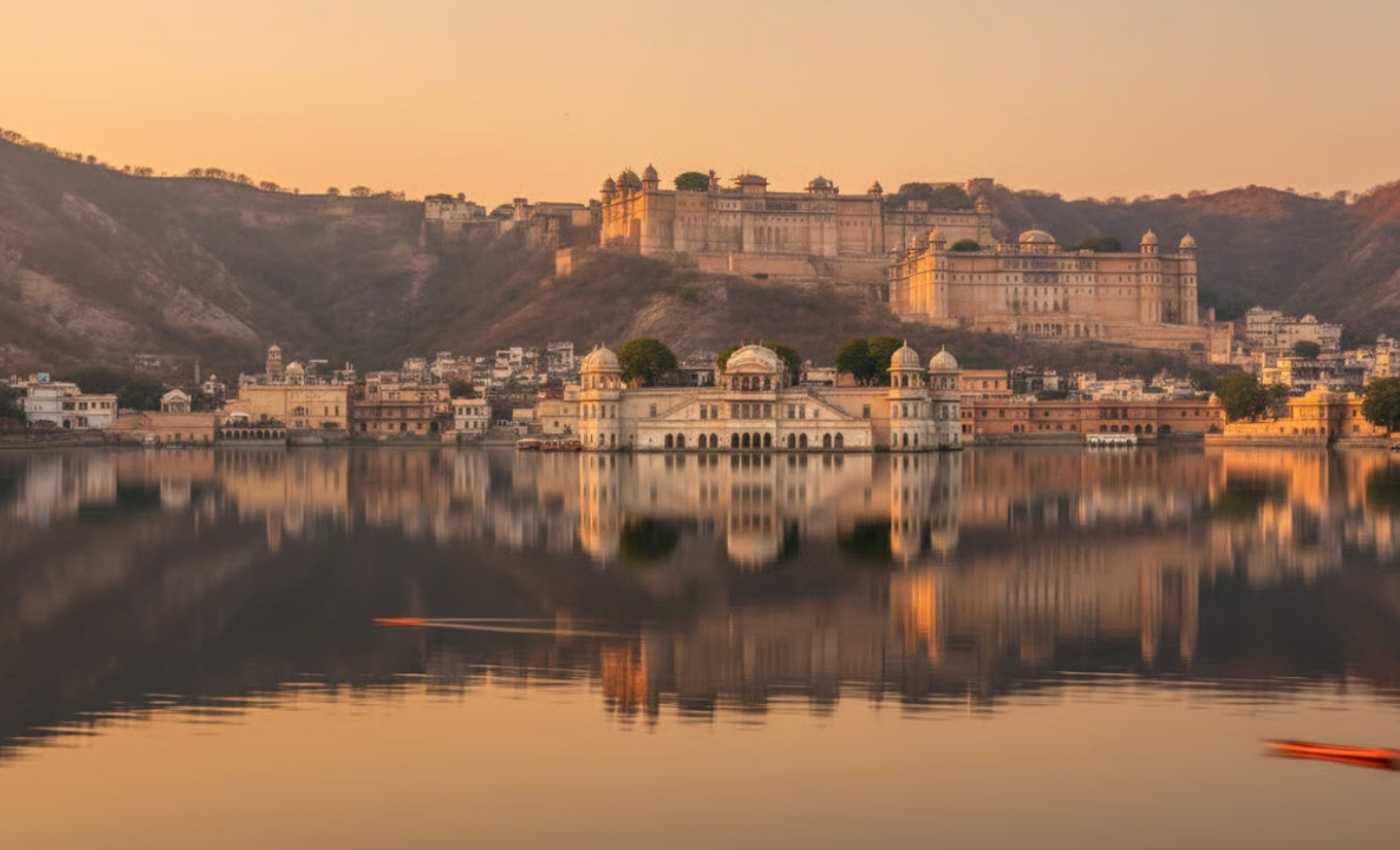
For those seeking adventure and independence, a road trip through Rajasthan can be an unforgettable experience.
Rajasthan road trip – Self-drive adventure guide
A self-drive adventure through Rajasthan offers freedom to explore, discover villages, and create memories along highways and mountain roads. However, road trips require planning and realistic expectations about driving conditions in India.
Planning Your Rajasthan Road Trip
- Route Selection: Consider distances, road conditions, and seasonal factors. The Golden Triangle route connecting Jaipur, Jodhpur, and Udaipur provides roads and signage, making it ideal for first-time drivers
- Vehicle Choice: Compact cars work well for city exploration and highway driving, while SUVs provide ground clearance for rural roads and comfort on distances
- Documentation: Obtain an International Driving Permit and familiarize yourself with Indian traffic rules
- Safety Preparations: Plan fuel stops in remote areas and prepare emergency kits with water, snacks, and contact information
Route planning should consider distances, road conditions, and seasonal factors. The Golden Triangle route connecting Jaipur, Jodhpur, and Udaipur provides roads and signage, making it ideal for first-time drivers. Routes through Shekhawati or toward Jaisalmer offer challenges but reward drivers with rural experiences and landscapes.
Vehicle selection depends on your comfort level and planned routes. Compact cars work well for city exploration and highway driving, while SUVs provide ground clearance for rural roads and comfort on distances. Ensure your rental includes insurance, roadside assistance, and GPS navigation systems familiar with Indian road networks.
Driving in India requires patience, defensive techniques, and acceptance of traffic norms. Roads are shared by cars, trucks, buses, motorcycles, bicycles, and livestock, creating traffic patterns that require attention. Highway driving is straightforward, but city navigation can be challenging due to lanes, parking, and congestion.
Alternative options include hiring a car with an experienced driver, which provides local knowledge, navigation assistance, and the ability to relax and enjoy scenery. Professional drivers understand customs, can recommend restaurants and attractions, and handle traffic while you focus on experiencing the journey.
Essential preparations include obtaining an International Driving Permit, familiarizing yourself with Indian traffic rules, and planning fuel stops in remote areas where petrol stations may be sparse. Emergency kits should include water, snacks, tools, and contact information for your rental company and local emergency services.
When planning your trip, consider whether a tour package or independent travel better suits your needs.
Rajasthan tour packages vs independent travel
The choice between tour packages and independent travel impacts your Rajasthani experience, with each offering advantages depending on your travel style, experience level, and preferences.
Tour Package Benefits vs Independent Travel Advantages
| Aspect | Tour Packages | Independent Travel |
|---|---|---|
| Planning | Pre-arranged itineraries with logistics handled | Complete flexibility to modify plans |
| Cost | Fixed pricing with group buying power | Variable costs with potential savings |
| Cultural Experience | Guided insights and historical context | Direct local interactions and authentic encounters |
| Convenience | No language barriers or navigation concerns | Requires self-management of all aspects |
Tour packages provide itineraries with accommodations, transportation, and guided experiences. These packages maximize time efficiency, ensuring you visit attractions without logistical concerns. Guides offer historical context and cultural insights that enhance understanding of sites like palace complexes and forts. Group tours also provide opportunities to meet travelers and share experiences.
Package tours handle challenges like language barriers, currency exchange, and navigation, making them ideal for first-time visitors or those with limited travel experience. The fixed costs help with budgeting, while group buying power often provides access to accommodations and experiences.
Independent travel offers flexibility to modify itineraries based on interests, weather, or discoveries. This approach allows engagement with local communities, extended stays in destinations, and the freedom to explore locations that group tours avoid. Independent travelers often develop relationships with locals and gain insights into daily life.
The cost comparison varies based on accommodation choices, transportation preferences, and activity selections. Budget-conscious independent travelers can reduce costs by choosing guesthouses, public transportation, and street food, while luxury independent travel can exceed package tour costs. Mid-range independent travel often costs similarly to package tours but provides customization options.
Hybrid approaches combine package tour convenience with independent flexibility by booking partial packages for logistics while maintaining freedom for exploration. This might involve booking accommodation and transportation through agencies while planning daily activities independently.
Regardless of your travel style, understanding the costs involved is crucial for effective budgeting.
Rajasthan trip cost – Budget planning and money-saving tips
Understanding the cost structure of Rajasthan travel enables budget planning and helps maximize value. Costs vary based on travel style, season, and preferences, but planning can create experiences within any budget range.
Rajasthan Travel Cost Breakdown
- Accommodation: Largest variable expense ranging from ₹500-1,500 for guesthouses to ₹20,000+ for luxury heritage hotels
- Transportation: Domestic flights ₹3,000-8,000, train travel ₹200-2,000, private car hire ₹2,000-4,000 per day
- Food: Street food and local restaurants ₹100-300 per day, hotel dining ₹1,000-2,000 per day
- Activities: Entrance fees, guided tours, and cultural experiences vary by attraction
Accommodation represents the largest variable expense, ranging from budget guesthouses at ₹500-1,500 per night to luxury heritage hotels exceeding ₹20,000 per night. Mid-range hotels typically cost ₹2,000-5,000 per night and provide amenities with local character. Heritage properties offer experiences but command prices, especially during peak season from October to March.
Transportation costs depend on chosen methods and booking timing. Domestic flights between major cities cost ₹3,000-8,000 but save time. Train travel ranges from ₹200-2,000 depending on class and distance, offering experiences at prices. Private car hire with driver typically costs ₹2,000-4,000 per day including fuel, providing flexibility and comfort.
Food expenses vary from ₹100-300 per day for street food and local restaurants to ₹1,000-2,000 per day for hotel dining and tourist restaurants. Local dhabas and family-run establishments provide flavors at a fraction of hotel costs while supporting communities.
Money-Saving Strategies for Rajasthan
- Travel During Shoulder Season: Visit April-June or September when accommodation rates drop despite higher temperatures
- Book Direct: Contact properties directly for better rates than online platforms, especially for extended stays
- Mix Accommodation Types: Stay in heritage properties for 1-2 nights for the experience, then use budget options
- Use Local Transportation: Combine trains and buses with occasional private transport for flexibility
- Eat Local: Enjoy street food and local restaurants for authentic flavors at lower costs
Effective money-saving strategies include traveling during shoulder seasons (April-June or September) when accommodation rates drop despite temperatures. Booking accommodations directly with properties often yields better rates than online platforms, especially for stays. Group bookings for families or friends can access discounts for accommodations and transportation.
Smart spending focuses on experiences over amenities. Staying in heritage properties for one or two nights provides experiences without breaking budgets, while spending remaining nights in accommodations. Prioritizing must-see attractions and skipping less important sites helps manage entrance fees that can accumulate quickly.
| Budget Category | Daily Cost (per person) | Accommodation Type | Transportation |
|---|---|---|---|
| Budget | ₹1,500-3,000 | Guesthouses, hostels | Trains, buses |
| Mid-range | ₹3,000-6,000 | 3-star hotels, boutique properties | Private car, domestic flights |
| Luxury | ₹6,000-15,000+ | Heritage hotels, 5-star properties | Private car, charter flights |
Finally, let’s cover some practical travel tips to ensure a smooth and enjoyable journey through Rajasthan.
Practical travel tips for your Rajasthan journey
Successful travel in Rajasthan requires preparation for challenges and opportunities presented by this state’s climate, culture, and customs. These insights help ensure experiences while respecting traditions and supporting tourism practices.
Essential Health and Safety Considerations
- Health Preparations: Pre-travel medical consultations for vaccinations and medications, especially for climate-related concerns
- Hydration: Essential water intake due to desert climate, with bottled water recommended
- Travel Insurance: Coverage for medical emergencies, evacuation, and trip cancellations
- Safety Awareness: Stay alert in crowded areas and secure valuables in hotel safes
Health considerations begin with pre-travel medical consultations to discuss vaccinations and medications. The climate can cause dehydration, making water intake essential, especially during summer months. Bottled water remains the choice, though many hotels now provide filtered water systems. Travel insurance should cover medical emergencies, evacuation, and trip cancellations, as healthcare may require travel to cities.
Cultural Sensitivity Guidelines
- Dress Code: Modest dress with covered shoulders and knees required for religious sites
- Religious Customs: Remove shoes before entering temples and some homes
- Photography Etiquette: Ask permission before photographing people, especially women
- Public Behavior: Avoid public displays of affection as they conflict with local customs
Cultural sensitivity enhances interactions with communities and demonstrates respect for traditions. Modest dress is essential when visiting religious sites, with covered shoulders and knees required for both men and women. Removing shoes before entering temples and some homes shows respect, while asking permission before photographing people, especially women, maintains boundaries. Public displays of affection should be avoided as they conflict with customs.
Safety awareness includes staying alert in crowded areas, securing valuables in hotel safes, and avoiding isolated areas after dark. Reputable tour operators and accommodations maintain safety standards, while solo female travelers should exercise caution and consider joining group activities for security.
Responsible Tourism Practices
- Support Local Communities: Choose local businesses, artisans, and family-run establishments
- Ethical Wildlife Interactions: Avoid activities that exploit animals like elephant rides
- Water Conservation: Practice conservation in regions where water resources face pressure
- Cultural Preservation: Respect traditions and support authentic cultural experiences
Responsible tourism practices help preserve Rajasthan’s cultural and environmental heritage. Supporting local businesses, artisans, and family-run establishments ensures tourism benefits reach community levels. Avoiding activities that exploit animals, such as elephant rides or poorly managed camel treks, promotes ethical wildlife interactions. Water conservation becomes crucial in regions where this resource faces pressure.
Communication preparation includes learning basic Hindi phrases, though English is widely spoken in tourist areas. Mobile phone coverage is generally excellent in cities but may be limited in remote areas. International roaming can be expensive, making local SIM cards cost-effective for stays. Currency exchange should be done through authorized dealers, with credit cards accepted at most hotels and restaurants in major cities.
Crafting Your Rajasthan Adventure
Rajasthan offers a tapestry of experiences, from the bustling bazaars of Jaipur to the serene lakes of Udaipur and the golden sands of Jaisalmer. By carefully considering your travel style, budget, and interests, you can create a personalized itinerary that captures the essence of this royal land. Whether you choose a whirlwind five-day tour or an immersive ten-day exploration, Rajasthan promises memories that will last a lifetime.