|
Getting your Trinity Audio player ready...
|
While travelling through Europe and visiting major cities and attractions, people occasionally overlook towns that are really hidden gems. And it is these towns s that can provide you with a more true and distinct experience. Here are 6 unique small European towns that you need to visit.
Galaxidi (Greece)
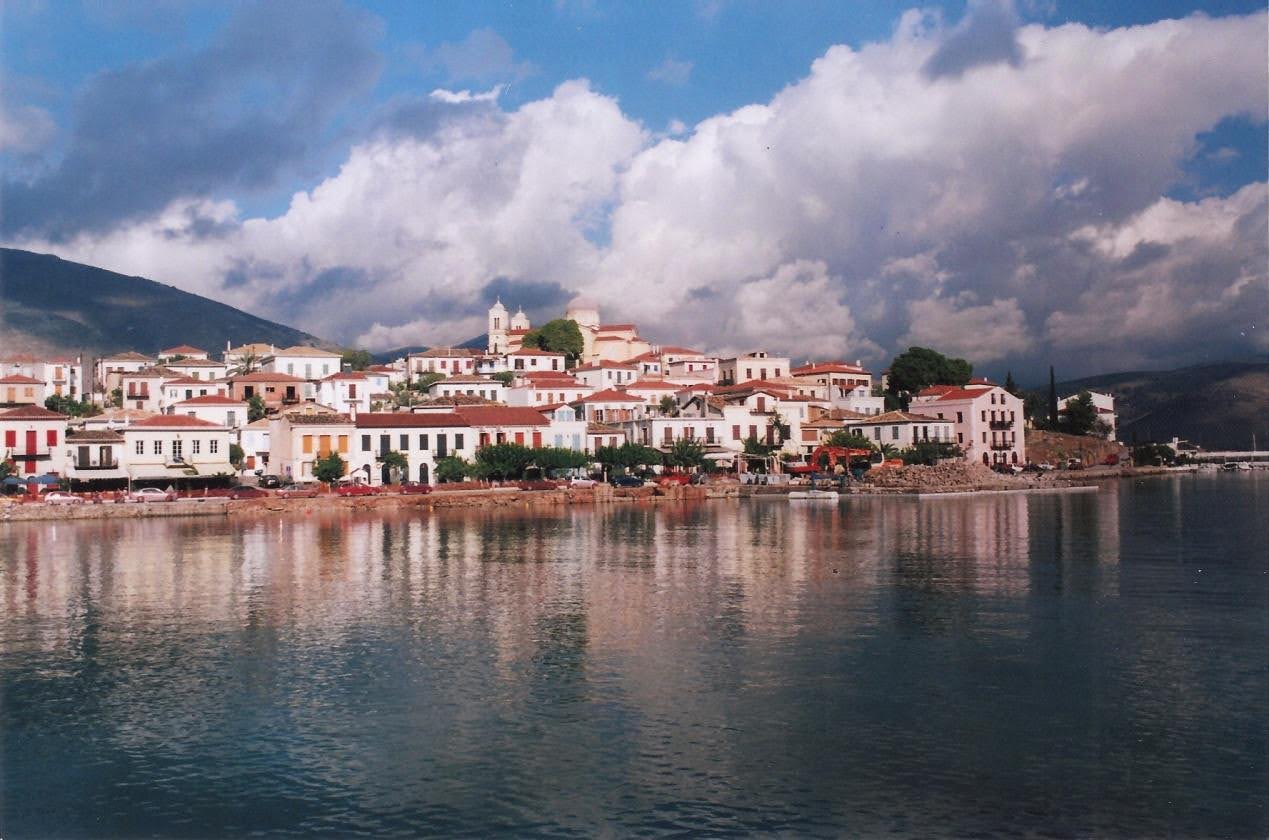
Galaxidi is a charming coastal town near Delphi, set along the Corinthian Bay. For centuries, its isolation from the Greek mainland shaped its identity, with the sea serving as its lifeline for transport as early as the 18th century. Many of Greece’s most prominent shipping families trace their roots to this town. Until the 1950s, before the Nafpaktos–Itea road was built, Galaxidi could only be reached by boat from the harbour of Itea. This seclusion helped preserve its distinct island-like atmosphere, marked by winding downhill streets and colourful, picturesque lanes.
The town’s defining charm lies in its beautifully preserved neoclassical mansions, known as kapetanospita, or “captain’s houses”. Among its landmarks, the Church of Agia Paraskevi stands out, featuring a zodiac cycle on its floor and a sundial in its garden. As evening falls, a stroll through the serene old port offers stunning reflections of the town shimmering on the sea, leading you naturally to Hirolakas, the smaller and equally picturesque harbour. To complete the experience, Galaxidi invites you to savour its excellent traditional Greek dishes and freshly caught seafood.
Frascati (Italy)
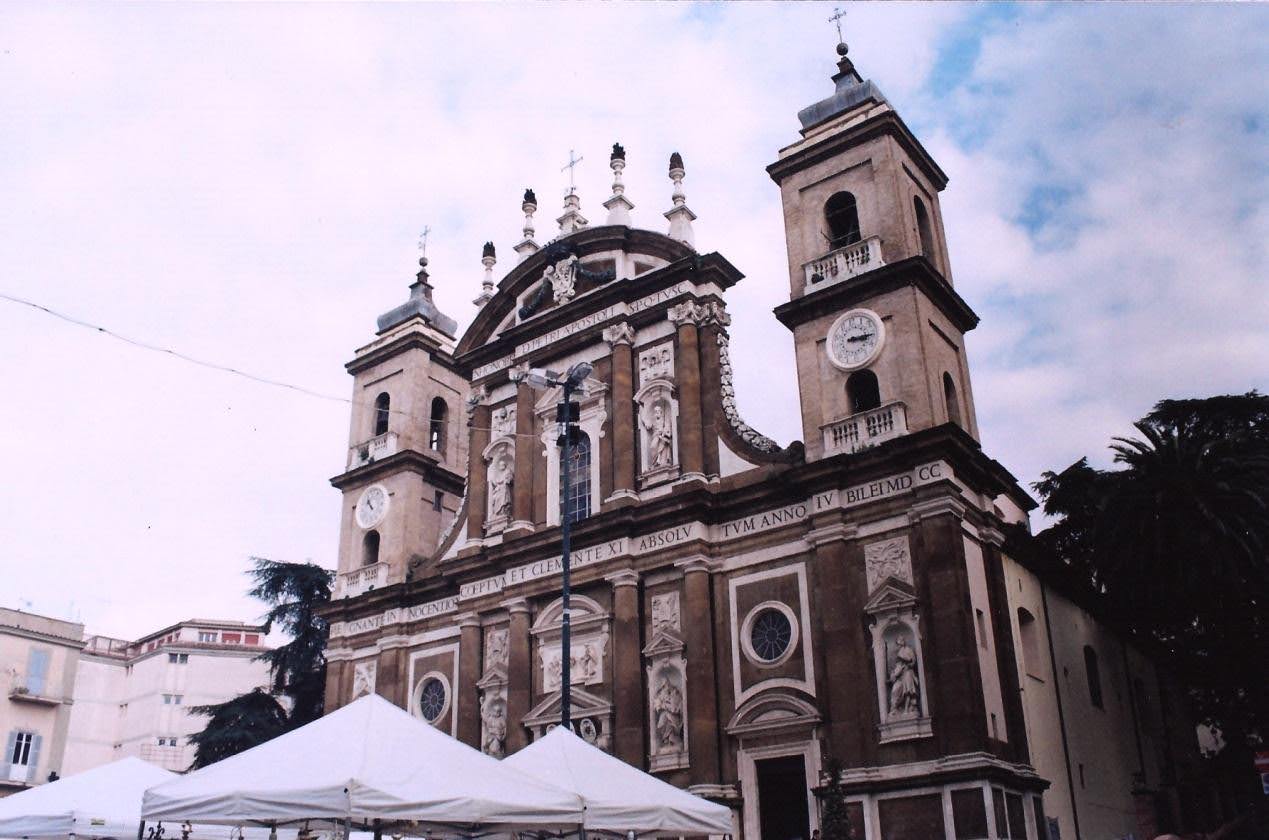
The road ascends into the Colli Albani hills and starts just 12 kilometres southeast of Rome. During the Middle Ages, these slopes were fortified with castles, giving rise to the 13 charming settlements known as the Castelli Romani. Scattered across the ancient volcanic landscape of Vulcano Laziale, they include picturesque villages such as Castel Gandolfo—with its papal summer residence—Genzano di Roma, Nemi, and the vibrant town of Frascati. The largest of them all, Frascati is distinguished by its elegant hilltop villas and gardens, as well as a captivating network of narrow, winding lanes at its heart.
The best way to enjoy the town is by getting lost in the tangle of streets, which will take you to charming tiny piazzas, hidden churches, and modest stores. On the route, there are vendors offering porchetta (herb-roasted pork) and little bakeries with freshly baked pizza. Grab some food, buy some local wine, particularly the fruity white Frascati Superiore, and head for a picnic in Belvedere at the base of Piazza Marconi, which offers spectacular views of Rome. It’s no surprise that Frascati is a popular Sunday destination for the citizens of Rome.
Stein am Rhein (Switzerland)
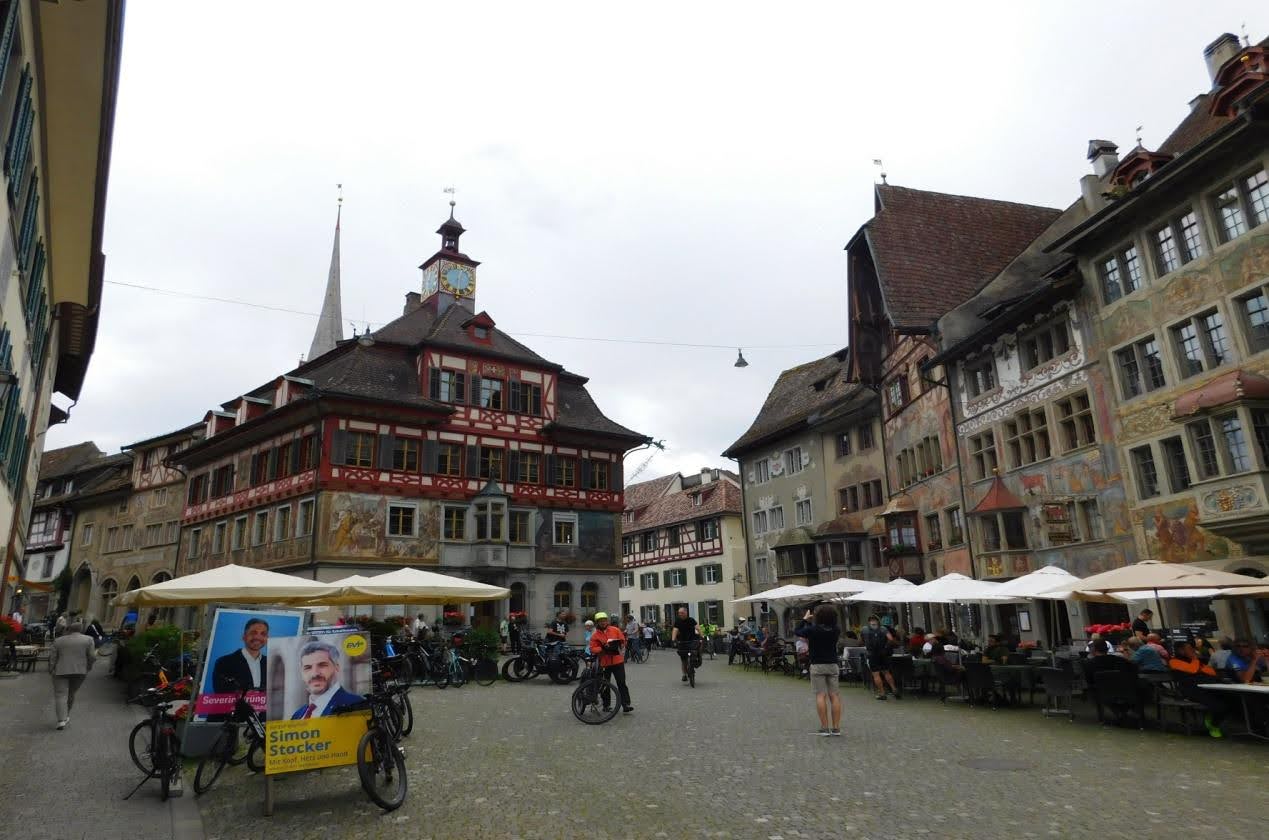
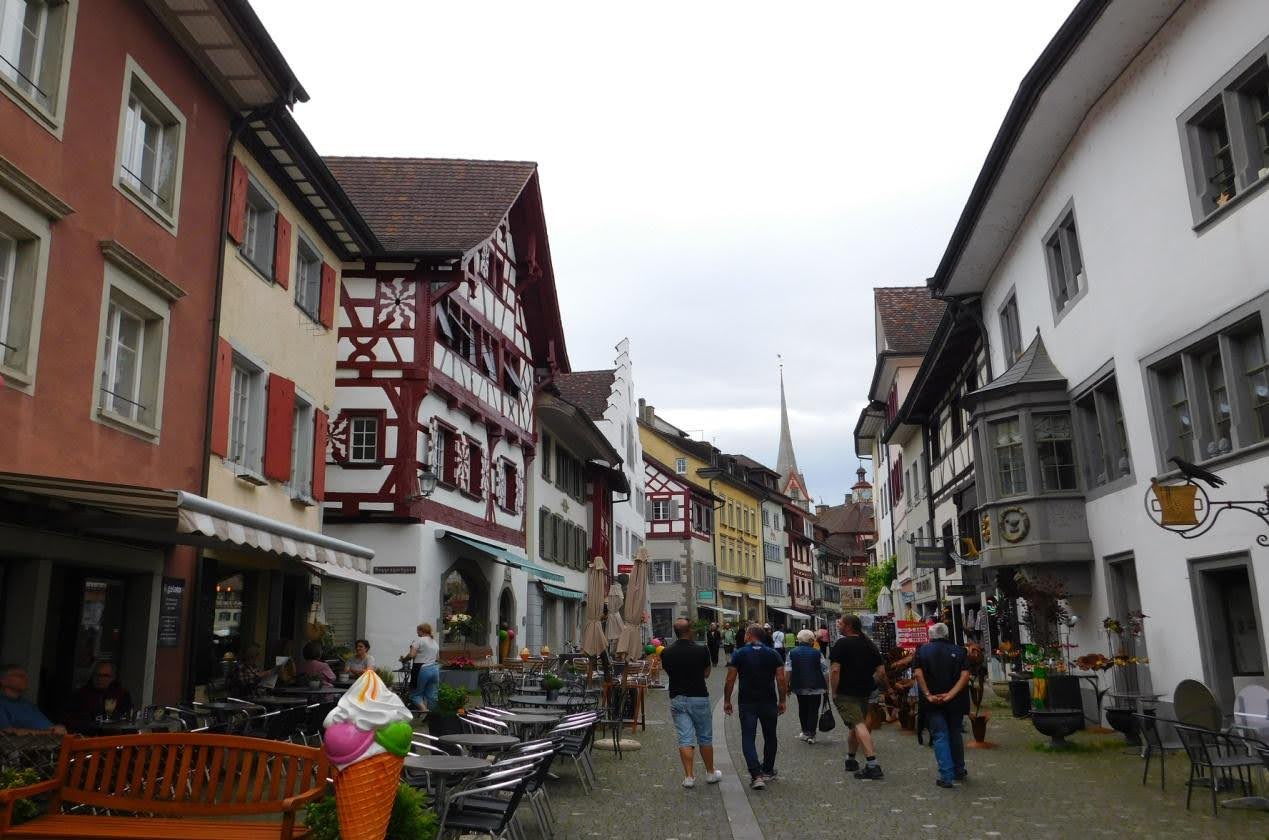
Just an hour’s drive from Zurich, the picturesque town of Stein am Rhein is famed for its beautifully preserved mediaeval old town and half-timbered houses adorned with artistic façades. At its heart lies an 11th-century Benedictine abbey, around which the settlement first grew. Later, Hohenklingen Castle was built to overlook the town, and it still stands proudly above the Rhine today. Crossing the Rhine Bridge, which connects the old town to the provincial road and railway station, feels like stepping back in time. Along the riverfront, the serene views of the Rhine create a perfect backdrop for a leisurely stroll.
Unquestionably, the village’s central square is among Switzerland’s most exquisite. The perfect scene is created by the fountain in the middle, the vibrant buildings with striking wall murals surrounding it, and the well-maintained shops. Through the vivid images, the town seems to be narrating tales from its history. You can create lasting memories and distinct images in your head by sitting in one of the cafes in the area and letting your eyes roam over the surrounding buildings.
Meissen (Germany)
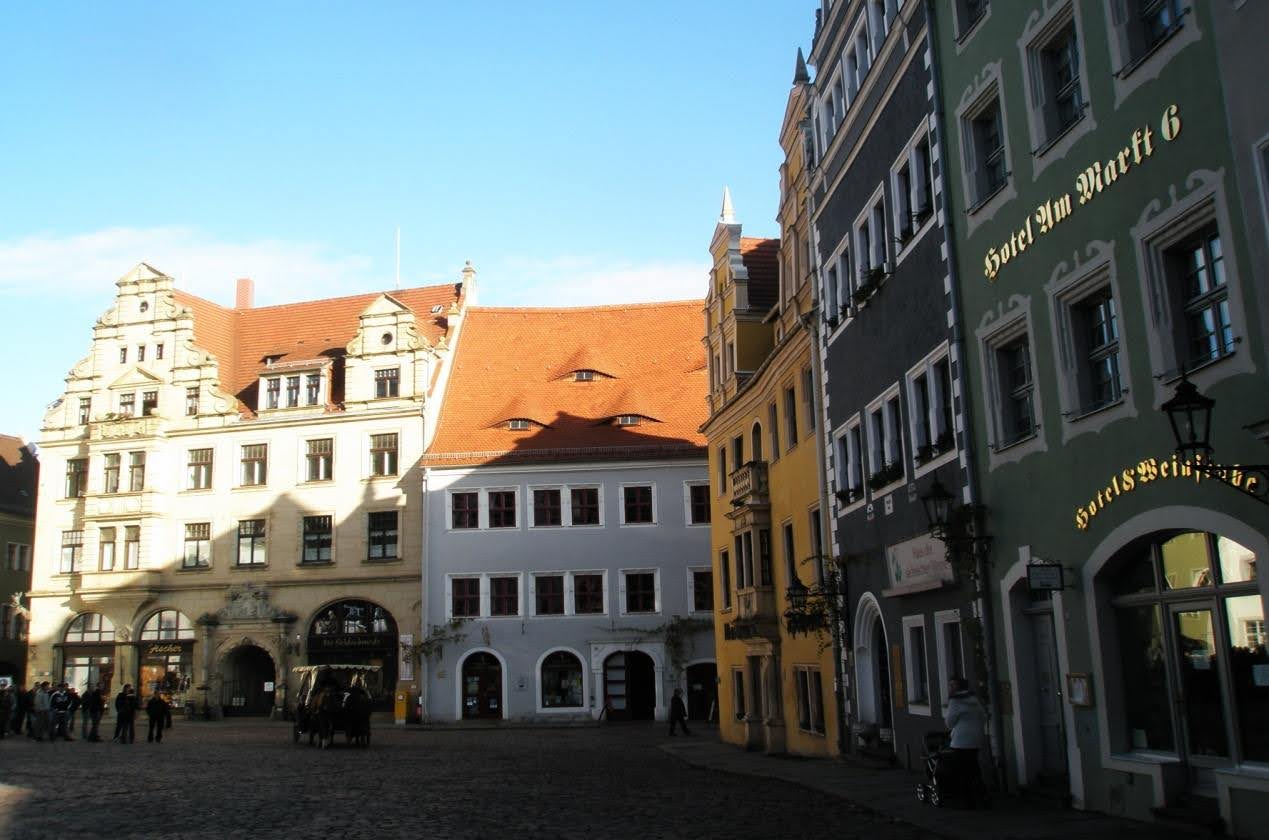
Meissen, located 28 kilometres from Dresden in the heart of Saxony and built on the banks of the Elbe River, is a German town that will undoubtedly impress you. Its historic centre is surprisingly well-preserved, with numerous Gothic and Renaissance buildings. Two buildings stand out in the centre square, Markplatz: the Gothic Rathaus (Town Hall) and the unique Renaissance Marktapotheke (Pharmacy). However, the town is dominated by the stunning Arbrechtsburg Castle and Cathedral.
The Castle stands as one of the finest examples of late Gothic architecture and holds the distinction of being the first castle in the German-speaking world to serve as a royal palace. This legacy has earned the town the title of the “cradle of Saxony”. While the Cathedral showcases exquisite Gothic design, it is notably one of the smallest in Europe due to its modest dimensions. Above all, Meissen is celebrated for its porcelain, instantly recognisable by the iconic blue crossed-swords trademark. Just a kilometre from the city centre, the Porzellan-Museum invites visitors to explore four demonstration workshops and admire the world’s largest collection of Meissen porcelain.
Orange (France)
This scenic town in Provence, located in the heart of the Cotes du Rhone vineyards, is frequently overlooked by visitors to the region despite having so much to offer. First and foremost, it is home to two of Europe’s finest Roman monuments. The town was formed in 35 BC by Roman veterans who constructed the spectacular Arc de Triomphe to demonstrate Roman superiority over Agrippa. The Arch contains superb decorations depicting battle and maritime themes. The other outstanding Roman structure is the Theatre Antique d’ Orange, the largest remaining Roman theatre outside of Italy, with a seating capacity of 7,000 people. In 1981, UNESCO designated the Arch, the Theatre, and their surrounds as World Heritage Sites.
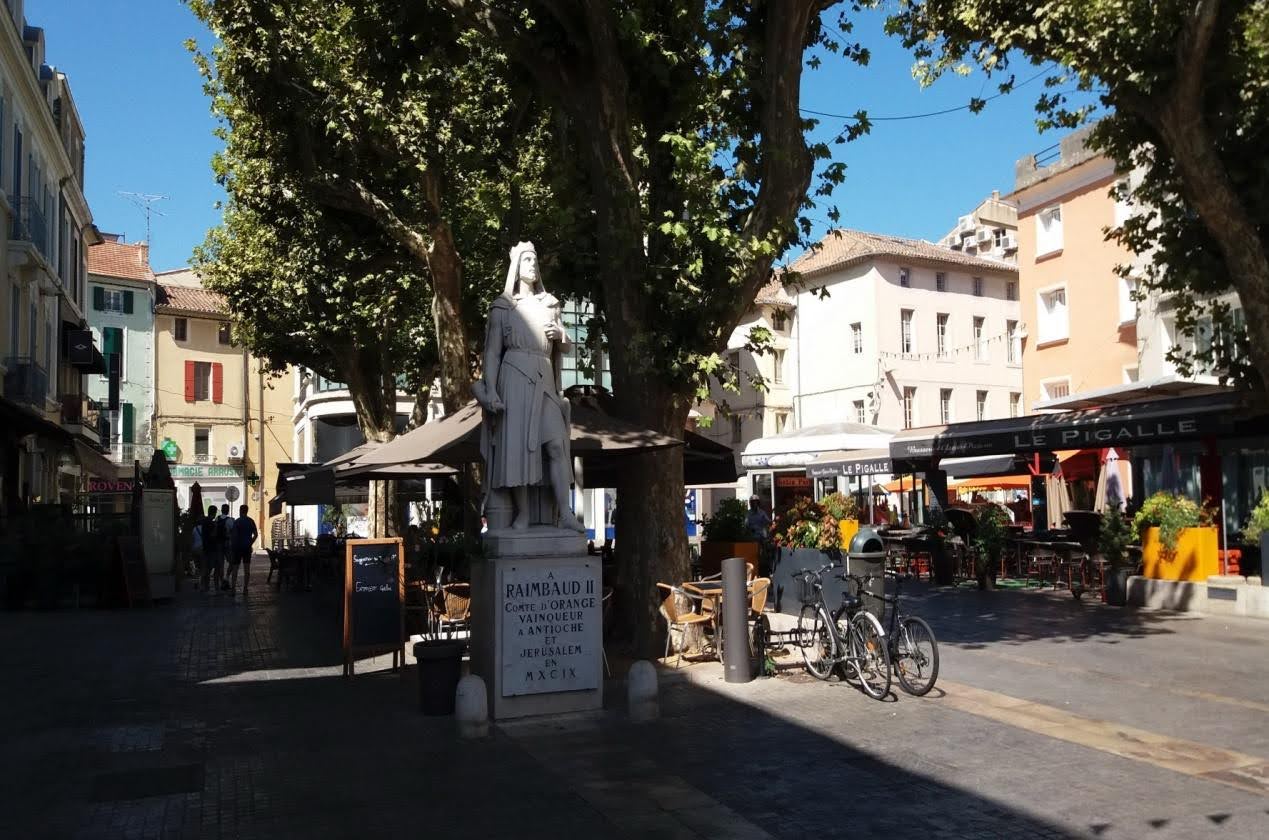
Beyond its remarkable Roman monuments, the heart of Orange is a tranquil haven of winding streets that open onto shaded squares, dotted with inviting cafés and charming little churches. In Place de la République, the statue of Raimbaud II recalls the town’s role in the First Crusade. Orange also holds a unique place in European history: when William the Silent, Count of Nassau, inherited the title of Prince of Orange in 1544, the Dutch royal family adopted the name “House of Orange-Nassau” in his honour. As you wander the cobblestone lanes of the old town, you’ll also find plenty of opportunities to enjoy the region’s celebrated Provençal cuisine in its welcoming eateries.
Evora (Portugal)
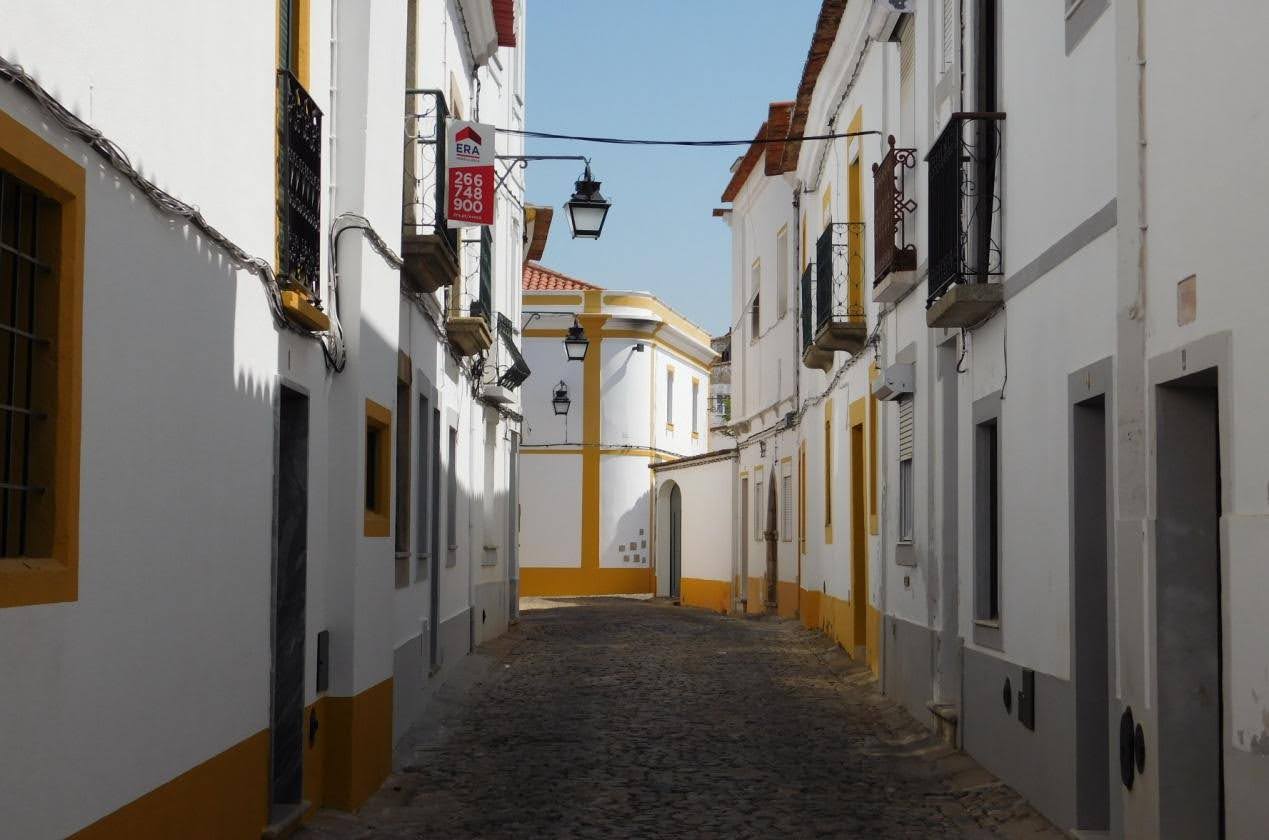
Evora, one of Portugal’s best-preserved mediaeval towns, was proclaimed a UNESCO World Heritage Site in 1986. The small winding alleyways within the city’s 14th-century fortifications will lead you to architectural wonders such as the magnificent Se Catedral, the columns of Templo Romano (a Roman temple that was subsequently used as an abattoir), and the picturesque Praca do Giraldo, which features Moorish arches. In Evora, you may also visit the Church of Sao Francisco, where the major attraction is Capela dos Ossos, an eerie chapel built of the bones of 5,000 monks in the 17th century.
Aside from its historic buildings, the town has a great gastronomic appeal. Evora is the capital of the Alentejo region, which is primarily an agricultural area with a highly distinct and intriguing cuisine known as alentejo. Alentejo offers a startling variety of tastes. Bread, pig, and olive oil, along with aromatic herbs, are the foundation of one of Portugal’s most modest and delicious meals. The most distinctive meal is a soup made with water, olive oil, garlic, a poached egg, bread, and coriander.
Also Read : Top 10 Hidden Gems You Must Visit in Europe
Unforgettable memories off the beaten path
Travelling through Europe is often associated with grand capitals and famous landmarks, but the true essence of the continent can just as easily be found in its hidden corners. These small towns—rich in history, culture, and charm—offer experiences that feel more personal and authentic than crowded tourist hubs. Whether it’s savouring local flavours, wandering centuries-old streets, or soaking in the peaceful scenery, each town tells its own story. So, the next time you plan a European journey, leave space for these gems—you may just discover that the most unforgettable memories are made off the beaten path.
Visit byfoodandtravel.com for more information, guides, local cuisine recommendations, city tips, and unique European trip options.