Complete Jaipur Travel Guide: Best Tourist Places to Visit in the Pink City

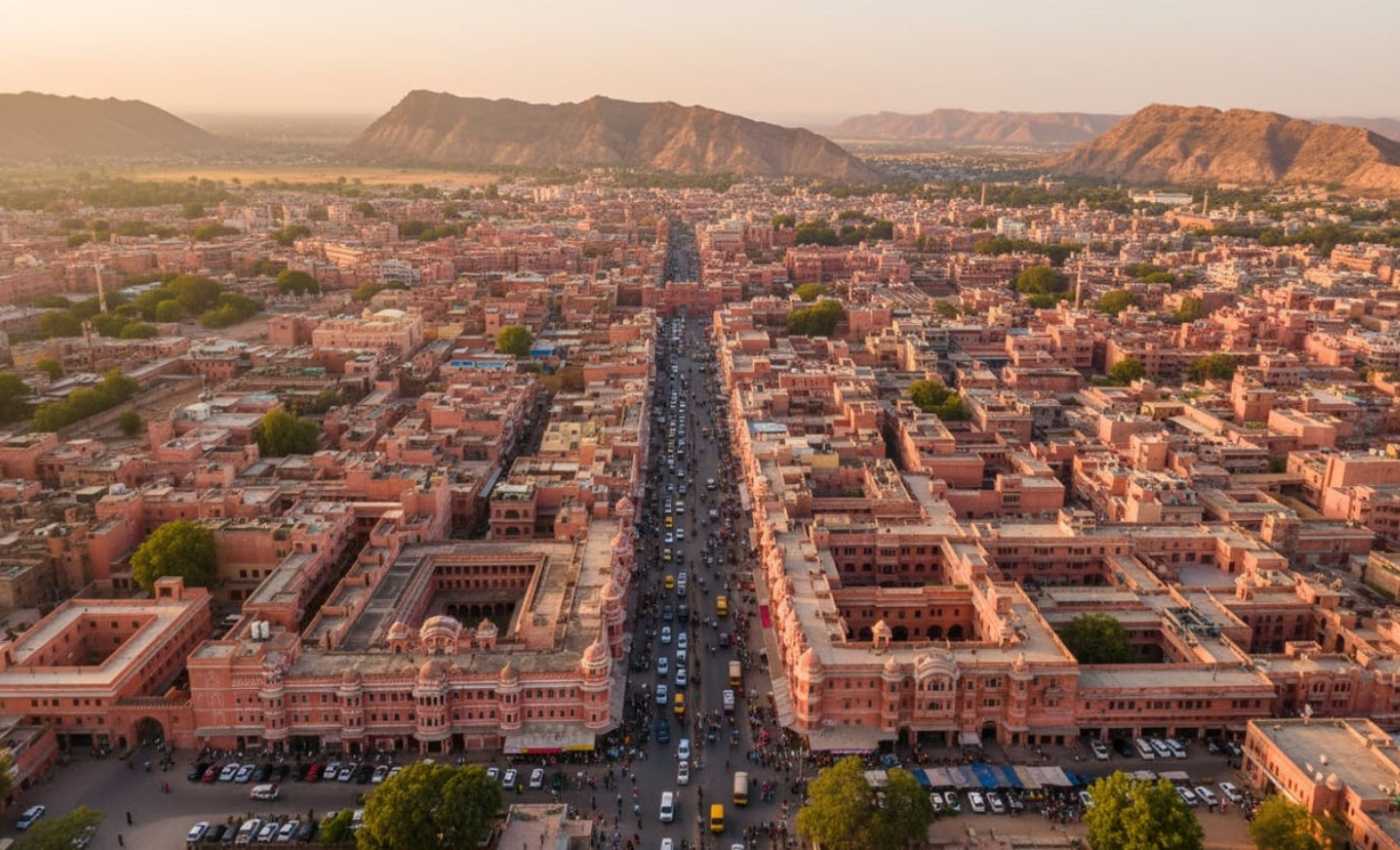
Introduction to Jaipur – India’s magnificent pink city
Jaipur, the “Pink City,” is a mesmerizing blend of history, culture, and architectural grandeur nestled in the heart of Rajasthan. Its unique terracotta-hued buildings, initiated in 1876 to honor the Prince of Wales, create a visually stunning cityscape. Founded in 1727 by Maharaja Sawai Jai Singh II, Jaipur stands as one of India’s earliest planned cities, meticulously designed with Hindu architectural principles and Mughal influences. The city’s layout reflects the founder’s precision as an astronomer and mathematician, offering a harmonious blend of aesthetics and functionality.
A journey through Jaipur is akin to stepping into a living museum, where ancient palaces coexist with vibrant bazaars. Elephant rides to hilltop forts and the stories etched into every corner of the city offer a glimpse into its royal past. Jaipur’s vibrant culture, marked by colorful festivals, exquisite handicrafts, captivating folk performances, and warm hospitality, makes it an essential destination for anyone seeking to immerse themselves in the spirit of Rajasthan. As you plan your visit, consider the best time to explore this majestic city and the experiences that await.
Read Also : Top 10 Must-Visit Attractions in Jaipur
Planning your Jaipur visit – best time and travel information
Timing your visit to Jaipur is crucial for an enjoyable experience in this desert city. The ideal period is from October to March, offering mild temperatures ranging from 70-85°F during the day and cooler evenings around 50°F. This weather is perfect for exploring outdoor attractions and wandering through the historic streets. Conversely, the monsoon season (July to September) can disrupt plans, while the summer months (April to June) often see temperatures exceeding 100°F.
For a comprehensive experience, allocate three to four days to explore Jaipur’s main sights at a relaxed pace. A weekend trip can cover key attractions like Amber Fort, City Palace, and Hawa Mahal, providing a taste of Jaipur’s grandeur. However, a longer stay allows for deeper immersion into the city’s culture and hidden gems.
Helpful tips include booking accommodations early during peak season, staying hydrated, wearing comfortable shoes for walking on uneven paths, and carrying cash for local markets where bargaining is common. Enhance your visit by hiring a local guide to uncover the stories behind the monuments and navigate the city’s rich history. With the right planning, Jaipur promises an unforgettable journey into Rajasthan’s royal heritage. Next, discover the must-visit forts and palaces that define Jaipur’s architectural splendor.
Jaipur tourist places – must-visit forts and palaces
Jaipur’s forts and palaces are testaments to the exquisite craftsmanship of Rajput and Mughal artisans. Each structure narrates tales of royal ambition and artistic vision, constructed from pink and yellow sandstone that harmonizes with the desert landscape. These architectural marvels showcase the advanced engineering skills of their creators, blending aesthetics with functionality.
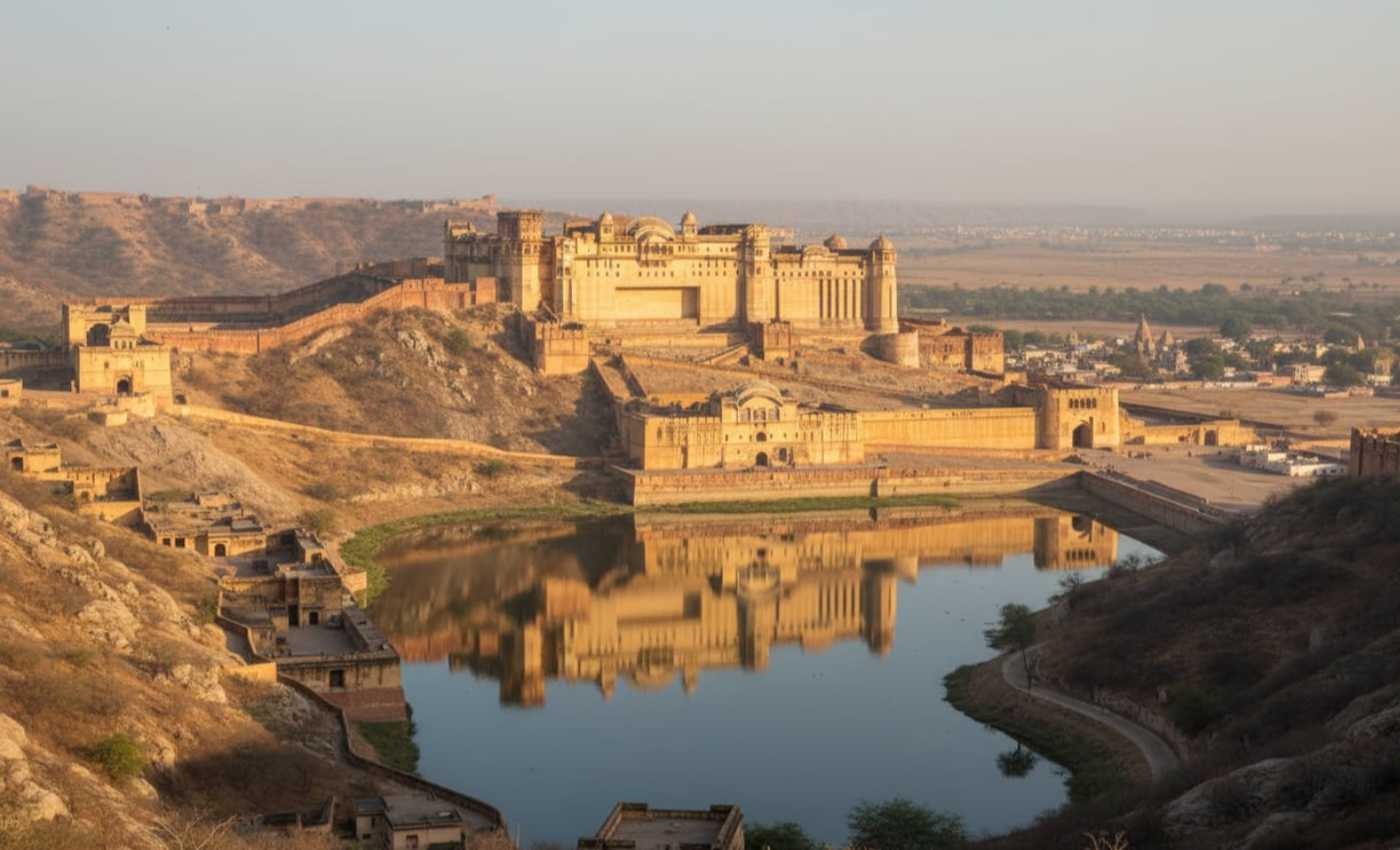
Amber Fort, a UNESCO World Heritage site, exemplifies the fusion of Hindu and Islamic architectural styles. Perched atop a hill overlooking Maota Lake, it served as the primary residence of the Rajput Maharajas for centuries. The fort’s structure, with its intricate courtyards, reflects meticulous planning for both defense and luxurious living.
Jaigarh Fort, known as the “Fort of Victory,” stands on the Aravalli hills, once defending Amber Fort. Built in 1726, it houses the world’s largest wheeled cannon, Jaivana, and offers panoramic views of the surrounding landscape. Underground passages connected Jaigarh to Amber Fort, forming a robust defense system for the royal family.
Nahargarh Fort, constructed in 1734, completes the defensive triangle that once safeguarded Jaipur. Its name, meaning “abode of tigers,” reflects its strategic hilltop location. Today, it is a popular spot for sunset views over the Pink City. The fort’s gardens and architectural details provide insights into the leisure activities of the royal court.
These monuments are more than just tourist destinations; they embody Rajasthani culture, showcasing artistic traditions, military strategies, and royal lifestyles. Delve deeper into the crown jewel of Jaipur with a closer look at Amber Fort.
Amber Fort – the crown jewel of Jaipur
Amber Fort, rising majestically from the Aravalli hills, stands as the most celebrated of Jaipur’s historical places, epitomizing Rajput architectural brilliance. This UNESCO World Heritage site seamlessly blends Hindu and Mughal design principles, creating a visual masterpiece.
The Sheesh Mahal, or Hall of Mirrors, showcases the artistry of Mughal craftsmen who embedded tiny mirrors into the walls and ceiling, creating a dazzling display when illuminated by a single candle. The Diwan-i-Aam (Hall of Public Audience) and Sukh Niwas (Hall of Pleasure) highlight the dual nature of royal life, balancing public duties with private luxury. Visitors can explore the fort by elephant, jeep, or on foot, each offering a unique perspective of this architectural marvel. Next, journey to the heart of Jaipur to discover the royal grandeur of the City Palace.
City Palace – royal grandeur in the heart of Jaipur
Located in the center of Jaipur, the City Palace complex serves as the heart of the city’s royal heritage. Still partly occupied by the Maharaja’s family, this palace offers an intimate glimpse into royal life and traditions.
The palace complex showcases the evolution of architectural styles, with the Mubarak Mahal displaying a blend of Islamic and Rajput design, and the Chandra Mahal representing royal residential architecture. The palace museums house a rich collection of royal artifacts, including weapons, textiles, and artworks that narrate the story of Jaipur’s past.
The City Palace provides an immersive experience where visitors can explore courtyards adorned with peacock motifs, admire the intricate craftsmanship of doorways and windows, and gain insight into how royal families lived and celebrated within these walls. Beyond the forts and palaces, Jaipur boasts iconic landmarks that capture the essence of Rajasthani culture and architectural innovation.
Things to see in Jaipur – iconic landmarks and attractions
Beyond its majestic forts and palaces, Jaipur boasts iconic landmarks that capture the essence of Rajasthani culture and architectural innovation. These attractions offer diverse experiences, ranging from astronomical wonders to architectural marvels, each contributing to Jaipur’s unique identity.
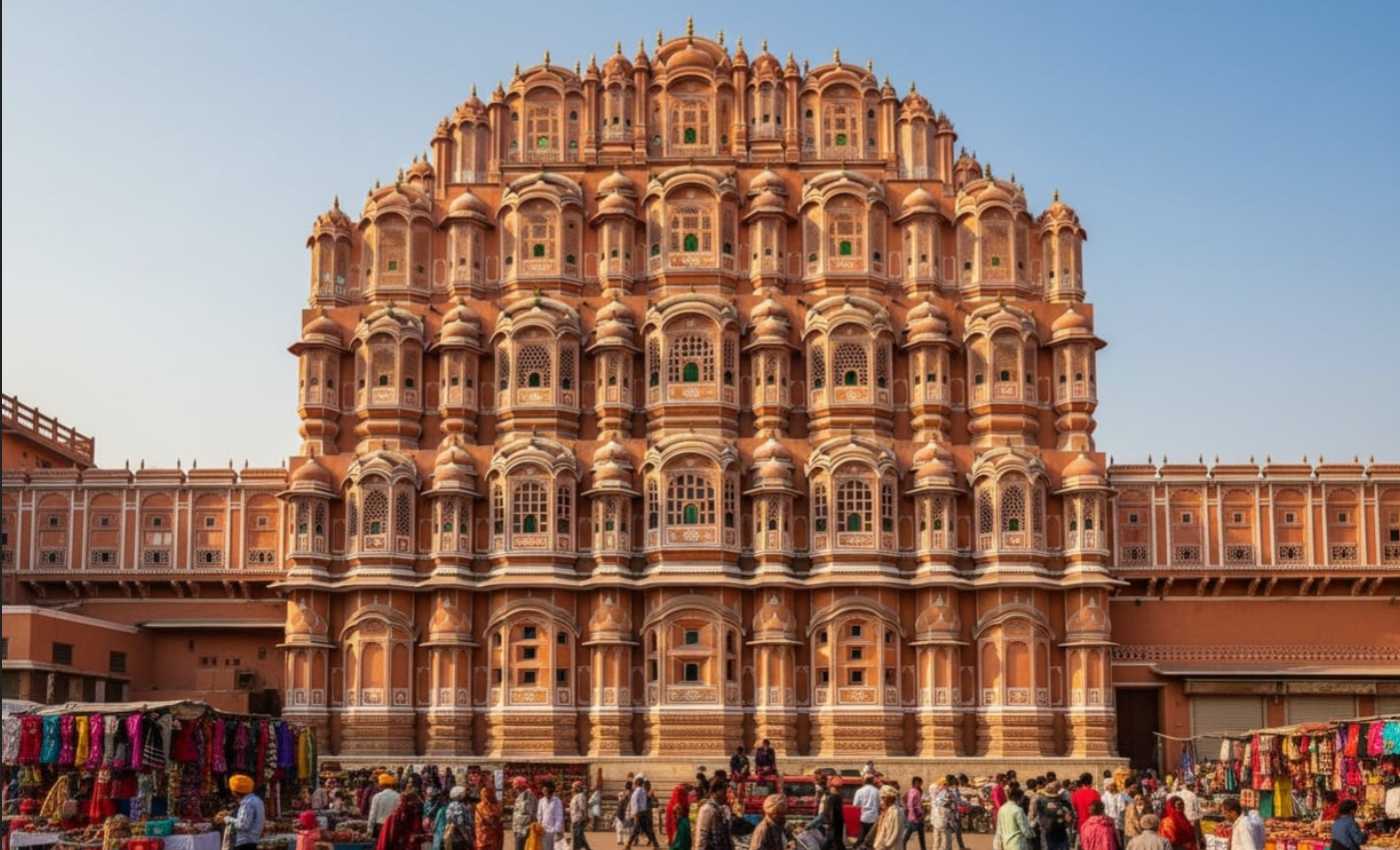
Hawa Mahal stands as a testament to the ingenuity of royal architects, who designed this facade to allow royal women to observe street festivities while maintaining their privacy. This “Palace of Winds” seamlessly blends functionality and beauty, with its distinctive windows creating a pattern synonymous with Jaipur’s architectural identity.
Jantar Mantar, the 18th-century astronomical observatory, showcases Jaipur’s intellectual heritage. This UNESCO World Heritage site houses the world’s largest stone sundial and other instruments that demonstrate the scientific knowledge of Maharaja Sawai Jai Singh II. The precision of these instruments continues to amaze visitors and scientists, underscoring the advanced state of ancient Indian astronomy.
Jal Mahal, floating serenely in the middle of Man Sagar Lake, offers a unique perspective on Rajput architecture. This water palace, with its picturesque setting and Mughal-inspired design, provides exceptional photography opportunities. The palace’s reflection in the lake creates one of Jaipur’s most iconic scenes.
Albert Hall Museum, Rajasthan’s oldest museum, houses a diverse collection of artifacts that span regional history, from sculptures to paintings. The building, designed in Indo-Saracenic style, represents the architectural fusion of the British colonial period.
These attractions ensure that visitors experience the military and political history of the region, as well as its scientific achievements, artistic traditions, and cultural evolution. Discover the allure of the “Palace of Winds” with a closer look at Hawa Mahal.
Hawa Mahal – the palace of winds
Hawa Mahal, situated on Badi Chaupad street, is one of Jaipur’s must visit places, renowned for its distinctive facade that graces postcards and travel photos worldwide. Constructed in 1799 by Maharaja Sawai Pratap Singh, this architectural marvel was designed to allow royal ladies to observe street life discreetly.
The palace’s design features small, intricately latticed windows that provided privacy and facilitated a natural cooling system, earning it the name “Palace of Winds.” The pink sandstone construction and pyramidal shape exemplify Rajput architecture, creating a captivating presence that enchants visitors. Next, explore the astronomical wonders of Jantar Mantar.
Jantar Mantar – astronomical wonder
Jantar Mantar stands as a testament to the scientific curiosity of Maharaja Sawai Jai Singh II. This 18th-century observatory, a UNESCO World Heritage site, represents a significant contribution to astronomy and mathematics in medieval India.
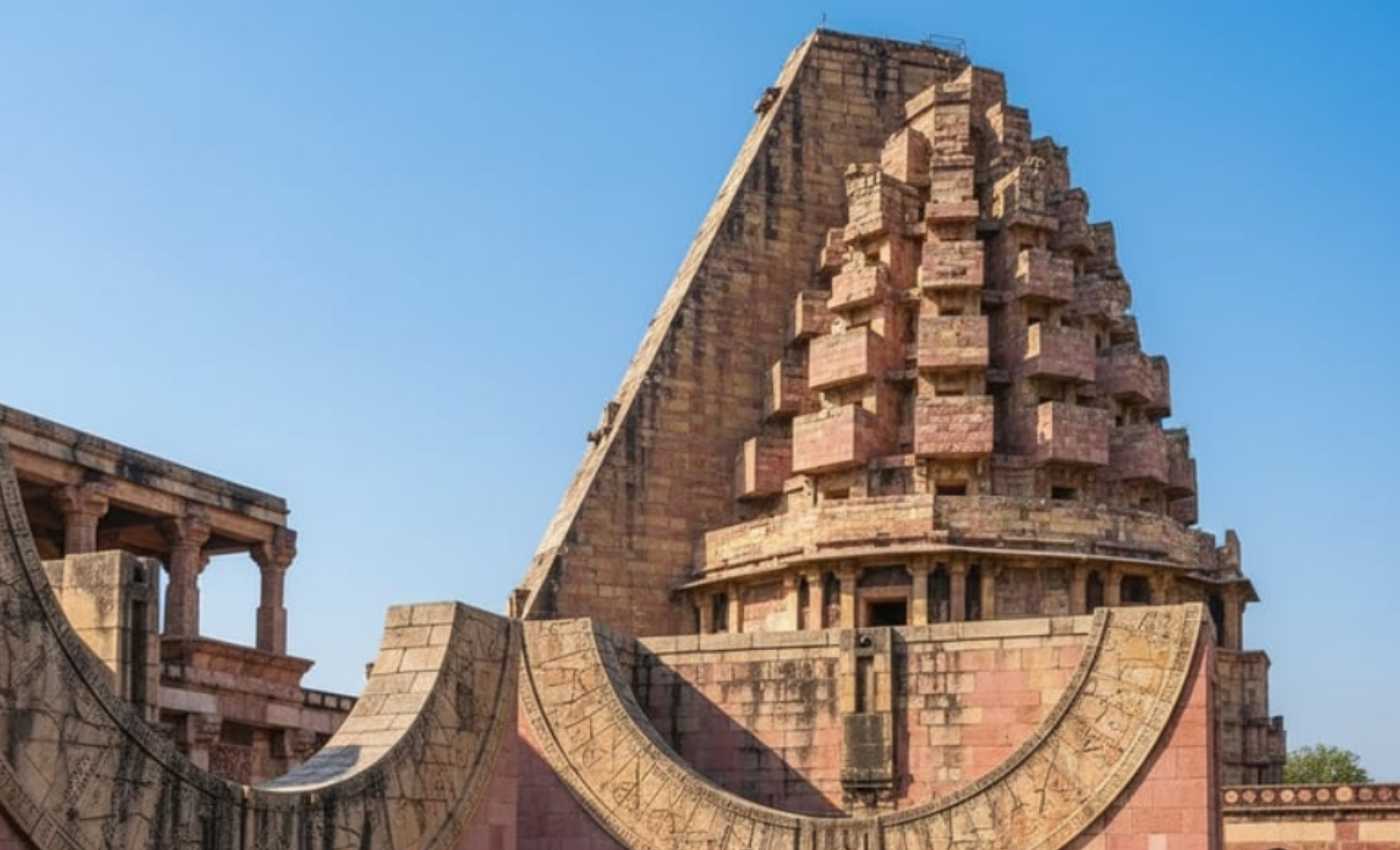
The observatory houses a collection of astronomical instruments, each meticulously designed for precise observations and calculations. The Samrat Yantra, the world’s largest sundial, accurately measures time, while other instruments track planetary movements and predict eclipses. This site demonstrates how ancient Indian scientific knowledge rivaled European achievements in astronomy and mathematics. Now, let’s explore comprehensive itinerary suggestions to make the most of your visit to Jaipur.
Places to visit in Jaipur – comprehensive itinerary suggestions
Crafting a Jaipur travel itinerary involves balancing iconic attractions with immersive cultural experiences, allowing ample time for both structured sightseeing and spontaneous discoveries. The key lies in recognizing that Jaipur offers a blend of meticulously planned excursions and flexible exploration, catering to diverse preferences and paces.
For visitors with limited time, a well-structured two-day itinerary can effectively cover the highlights while providing a rich taste of Jaipur’s heritage. The first day should focus on the forts, commencing with Amber Fort to avoid the crowds, followed by Jaigarh Fort for panoramic views, and culminating with a sunset viewing at Nahargarh Fort. The second day can be dedicated to the city center, exploring the City Palace, Jantar Mantar, and Hawa Mahal, with ample time for shopping and cultural immersion.
A three-day itinerary allows for a more relaxed pace and deeper cultural immersion. This extended timeframe enables visits to attractions such as the Sisodia Rani Garden, Albert Hall Museum, and Birla Temple, while also providing opportunities for engaging in cooking classes, handicraft workshops, or captivating folk dance performances. The additional day can also include a visit to the serene Galtaji Temple or an excursion to a rural village, offering a glimpse into authentic Rajasthani life.
Regardless of the duration, effective planning should incorporate early starts to avoid the heat and crowds, strategic meal breaks during the hottest part of the day, and engaging evening activities that take full advantage of the enchanting lighting that bathes Jaipur’s buildings in a warm glow. Consider enlisting the services of a knowledgeable local guide for a day to gain deeper insights into the historical significance of the monuments and cultural nuances of the city. For those with just a single day, here’s an itinerary to capture the essential highlights of Jaipur.
Jaipur one day itinerary – essential highlights
For travelers with only one day to experience Jaipur, a carefully curated itinerary focusing on the city’s most iconic attractions can provide a captivating introduction to the grandeur of the Pink City. This condensed exploration requires early starts and efficient transportation but rewards visitors with unforgettable glimpses of Jaipur’s most cherished monuments and cultural treasures.
Begin your day before sunrise with a visit to Amber Fort, arriving early to witness the soft morning light illuminating the palace walls and to avoid the throngs of tourists. The early hours provide ideal conditions for photography and unhurried exploration of the fort’s multi-tiered levels and ornate courtyards. Consider opting for an elephant ride or jeep service to ascend to the fort entrance, adding a touch of royal flair to your experience.
After thoroughly exploring Amber Fort’s highlights, proceed to the city center for a visit to the City Palace, focusing on the intricately designed courtyards and the museum’s most compelling exhibits. Follow this with a stop at Jantar Mantar to marvel at the ancient astronomical instruments, then conclude your day with a visit to Hawa Mahal, perfect for capturing stunning afternoon photographs when the light beautifully enhances the facade.
If time permits, consider a sunset visit to Nahargarh Fort for panoramic city views, or a quiet moment at Jal Mahal for reflective photography and contemplation on your whirlwind tour of this enchanting city. For those with more time, a three-day itinerary allows for a more detailed exploration of Jaipur’s many facets.
Places to visit in Jaipur in 3 days – detailed exploration
Practical Practical For a comprehensive guide to making the most of your visit, our 3 Days in Jaipur: Ultimate Itinerary for the Pink City allows for comprehensive coverage of the city’s most iconic attractions while providing ample opportunities for deeper cultural immersion and the discovery of hidden gems. This extended timeframe enables visitors to fully appreciate not only the grandeur of the monuments but also the richness of the local culture, the exquisite craftsmanship, and the diverse culinary traditions that make Jaipur truly special.
Your first day should be dedicated to the magnificent fort complex, beginning with Amber Fort, where you can spend hours exploring its opulent palaces, meticulously manicured gardens, and intricate architectural features. Continue to Jaigarh Fort to witness the imposing Jaivana cannon and enjoy breathtaking panoramic views of the surrounding landscape, then conclude your day with a mesmerizing sunset viewing at Nahargarh Fort, where the sprawling city unfolds beneath you in a tapestry of colors.
The second day should focus on the city center’s rich heritage, beginning with the City Palace complex, where you can easily spend hours exploring the fascinating museums, intricately designed courtyards, and exquisite architectural details. Next, visit Jantar Mantar to gain a deeper understanding of the scientific achievements of the Maharajas, then explore the iconic Hawa Mahal and the surrounding old city streets, teeming with vibrant shops and authentic local life.
Your third day offers valuable flexibility for pursuing cultural experiences and exploring lesser-known attractions. Consider visiting the serene Sisodia Rani Garden with its tiered terraces and elegant fountains, exploring the diverse collection at the Albert Hall Museum, or immersing yourself in a hands-on cooking class to learn the secrets of authentic Rajasthani cuisine. This plan also allows ample time for leisurely shopping in the bustling bazaars, attending captivating cultural performances, or simply wandering through the enchanting old city to absorb the unique atmosphere. Next, practical travel tips for Jaipur, including accommodation and transportation options.
Practical travel tips for Jaipur – accommodation and transportation
Selecting the best location to stay in Jaipur significantly impacts your overall experience, with each area offering distinct advantages depending on your priorities and preferences. The city provides a diverse range of options, from opulent heritage hotels nestled within historical places to modern accommodations conveniently located near the city’s most popular attractions.
The Civil Lines area is ideal for travelers seeking accommodations with modern amenities and a more tranquil environment, offering a peaceful retreat away from the hustle and bustle of the old city while still maintaining convenient access to the main attractions. This area features a variety of luxury hotels and charming boutique properties, many of which boast refreshing pools and rejuvenating spa facilities.
For those seeking to fully immerse themselves in Jaipur’s vibrant atmosphere and rich cultural heritage, staying within the historical old city walls places you at the very heart of the action, with beautifully restored havelis converted into charming guesthouses and convenient walking access to bustling markets and authentic local life. However, it’s worth noting that these areas can be noisier, particularly during lively festivals and celebrations.
Transportation in Jaipur offers a range of options to suit diverse budgets and comfort levels. Auto-rickshaws provide an affordable and convenient way to navigate short distances, although negotiating fares beforehand is essential. Ride-sharing apps like Uber and Ola operate extensively throughout the city, offering transparent pricing and enhanced comfort. The modern Jaipur Metro connects key areas, while local buses serve budget-conscious travelers willing to navigate the public transport system.
For sightseeing, consider hiring a private car with a knowledgeable driver for the day, which provides unparalleled flexibility and valuable local insights. Many hotels can arrange experienced drivers who also serve as informal tour guides, sharing fascinating stories and historical context about the city’s rich heritage. When developing your transportation plan, factor in Jaipur’s traffic patterns, with early morning and late evening offering the most favorable travel conditions, while midday heat makes comfortable transportation particularly valuable. Finally, let’s explore local experiences and cultural insights to enrich your Jaipur holiday.
Jaipur holiday guide – local experiences and cultural insights
Beyond its magnificent monuments and opulent palaces, Jaipur’s true magic lies in its vibrant living culture, where time-honored traditions thrive alongside the conveniences of modern life. A truly enriching holiday experience in the Pink City should include deep immersion in local customs, exploration of authentic culinary traditions, and appreciation of the region’s rich artistic heritage.
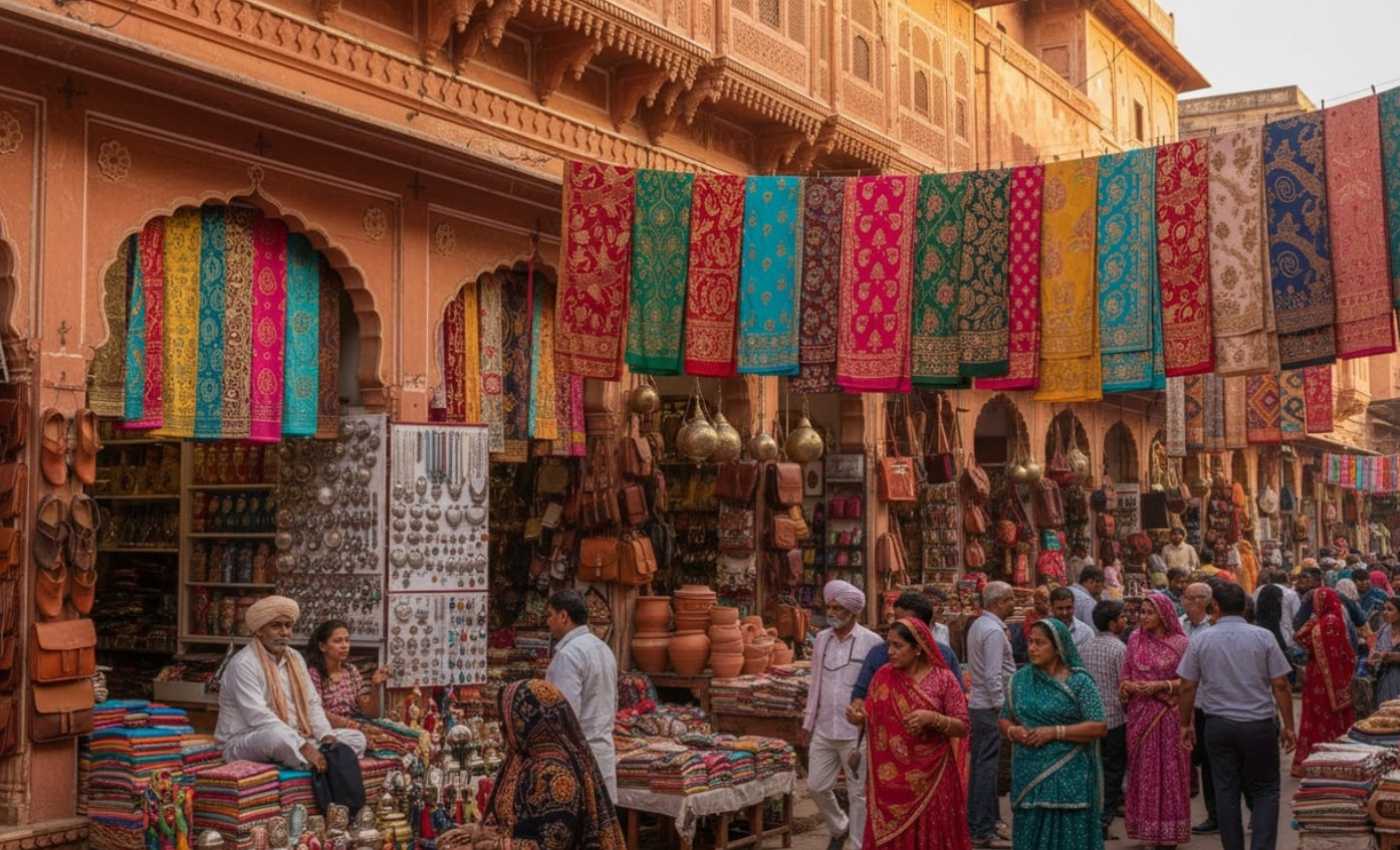
The city’s diverse culinary landscape offers a tantalizing journey through authentic Rajasthani flavors, from the hearty dal baati churma served in traditional brass plates to the inventive gatte ki sabzi that showcases the region’s vegetarian creativity. Embark on thrilling street food adventures in bustling areas like Johari Bazaar to discover local favorites like the savory pyaaz kachori and the refreshing lassi, while elegant restaurants in heritage hotels provide refined versions of royal cuisine once served in the Maharajas’ courts.
Jaipur’s bustling bazaars represent living museums of exquisite craftsmanship, where skilled artisans continue to practice techniques perfected over centuries. Johari Bazaar specializes in dazzling jewelry, while Bapu Bazaar offers a vibrant array of colorful textiles, finely crafted leather goods, and unique handicrafts. The art of bargaining here is not merely about securing better prices but also about engaging in a meaningful cultural exchange that connects visitors with local merchants and their cherished family traditions.
Captivating cultural performances provide enchanting windows into Rajasthan’s artistic soul, with mesmerizing folk dances like Ghoomar and Kalbeliya telling vivid stories of desert life, royal courts, and spiritual devotion. Many heritage hotels and cultural centers host captivating evening performances that seamlessly combine traditional music, graceful dance, and intricate puppet shows, creating unforgettable experiences that illuminate the region’s rich performing arts traditions.
For deeper cultural engagement, consider participating in hands-on workshops where skilled artisans teach traditional crafts like block printing, pottery, or jewelry making. These immersive experiences provide invaluable insights into the exceptional skill required for these time-honored crafts while also allowing you to create unique mementos of your Jaipur journey. Cooking classes with local families offer intimate glimpses into daily life and reveal the secrets behind authentic Rajasthani flavors, creating meaningful connections that extend far beyond typical tourism experiences. By embracing these local experiences and cultural insights, your visit to Jaipur will transform into an unforgettable journey of discovery and connection.