The Kerala I Almost Skipped (And Why It Became My Favorite Corner of South India)

|
Getting your Trinity Audio player ready...
|
I almost skipped Kerala.
When I planned my India trip, Rajasthan, Varanasi, and Hampi were already on the list. Kerala looked beautiful in photographs, but I assumed it would simply be another green destination among many. I couldn’t have been more wrong.
Everything changed because of a conversation in a hostel. A traveler who had just returned from the south glanced at my itinerary and laughed. “Don’t treat Kerala like a checklist,” he said. “If you rush it, you’ll miss the best part.”
A week later, I stepped onto the platform at Ernakulam Junction before sunrise. The air smelled of cardamom tea, newspapers were being stacked for the morning delivery, and life felt calmer than anywhere else I’d been in India. I bought a cup of chai and watched people instead of reaching for my phone. An elderly man noticed my backpack and asked where I was headed. When I explained my plans, he offered the simplest advice of the entire trip: “Forget your itinerary for one day.”
I took it.
Fort Kochi became my first lesson in slow travel – the kind FootLooseDev writes about often: fewer stops, more time to actually notice a place. I wandered quiet streets lined with old Portuguese buildings, tiny cafés, and doors painted in colors that seemed to belong to different generations. I watched fishermen lower the famous Chinese fishing nets into the Arabian Sea and stayed far longer than I meant to. Nothing dramatic happened, yet I never felt bored.
My biggest mistake was trying to see everything. By lunchtime on the first day, I realized I was collecting places instead of experiences. So I closed Google Maps and let the streets decide. That choice led me into a spice shop where the owner spent twenty minutes explaining pepper, cardamom, and cinnamon without once asking me to buy anything. I eventually bought a small packet of black pepper simply because the conversation deserved it.
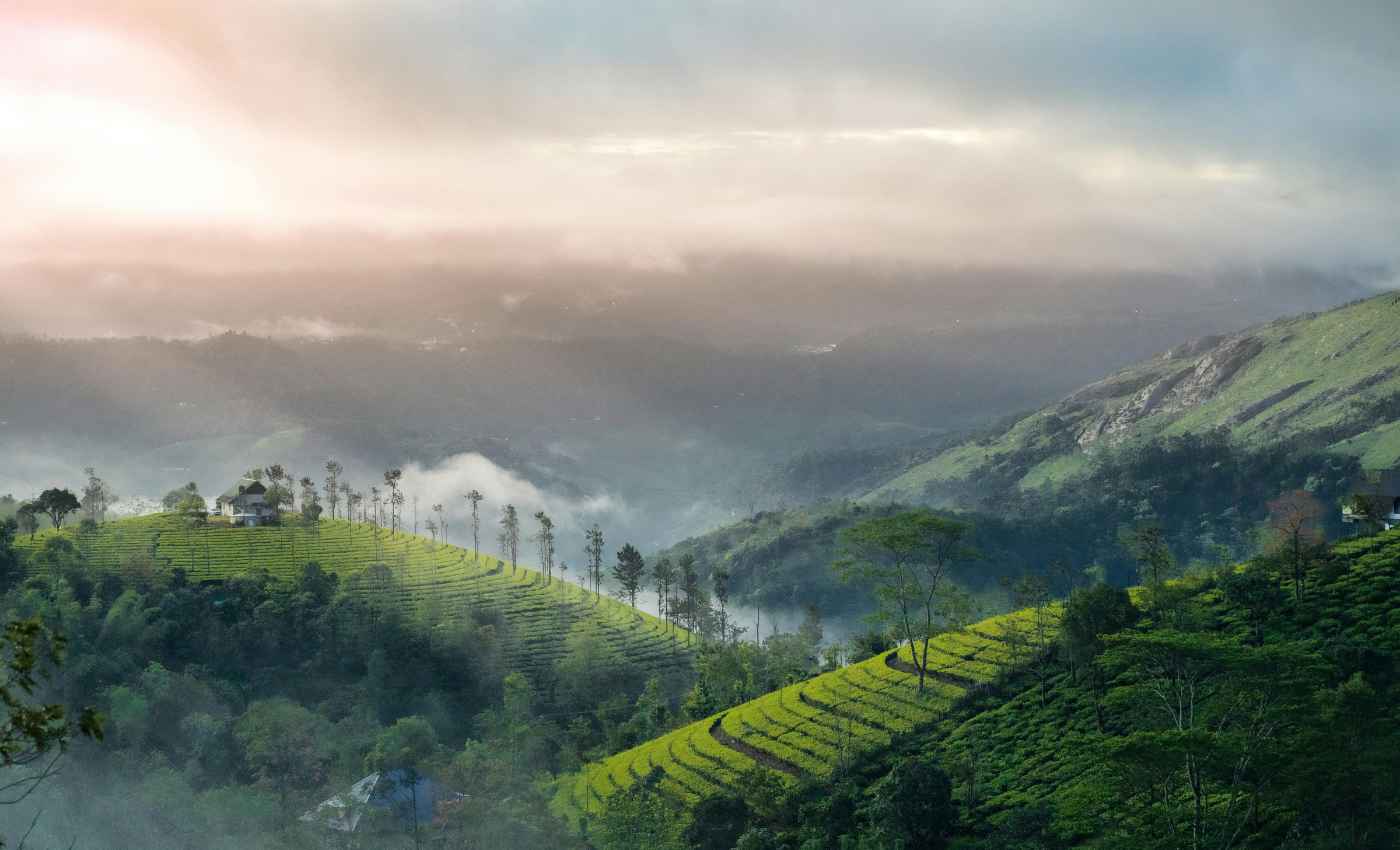
The next morning, I headed toward Munnar. The drive itself became one of the highlights of the trip. Coconut trees gradually gave way to cooler air and endless tea plantations climbing the slopes of the Western Ghats — the mountain range recognized by UNESCO as one of the world’s great biodiversity hotspots. At a roadside stall, I ordered tea, and the woman serving it smiled when she realized it was my first visit. “Drink slowly,” she said. Fresh tea tastes different when you’re surrounded by the hills where it’s grown.
I had planned one night in Munnar. I stayed three. Every local recommended a different road, viewpoint, or tiny tea shop that never made it into a guidebook, and those recommendations became my favorite part of the trip. One morning I sat alone on a hillside listening to birds while clouds drifted through the valley — no crowds, no ticket booths, no souvenir stalls. Just silence.
That morning taught me something. Some destinations are built to entertain you. Kerala simply invites you to notice.
From Munnar I traveled to Thekkady, expecting wildlife to be the main draw. Instead, I spent nearly an hour with a spice farmer who crushed fresh cardamom between his palms and asked me to smell it. He talked about how spices carried Kerala’s name across the world long before modern tourism existed. By the end of the conversation, I’d learned more standing in a small plantation than I had from hours of reading online.
My next stop was Alleppey. Like most visitors, I assumed I needed to book an expensive houseboat. A local suggested something different: hire a small canoe for a couple of hours and explore the quieter canals instead. It was the best advice I got on the whole trip.
The canoe moved slowly past village homes. Children waved from tiny bridges, fishermen prepared their nets for the evening, and there was almost no engine noise — just birds, water, and distant conversation. That quiet afternoon is the memory I carried home.
If I could change one thing about the trip, I’d stay longer in fewer places. Distances in Kerala often look shorter on a map than they feel on winding hill roads. When I later compared routes suggested by local companies, I understood why experienced travelers recommend realistic itineraries over cramming everything into a week. Browsing sample routes from operators like Troper Tours helped me understand practical travel times between Munnar, Thekkady, and Alleppey, without turning the trip into a race.
Kerala also changed how I think about food. Some of the best meals I had came from tiny family-run restaurants where nobody spoke much English but everyone smiled anyway. A banana leaf lunch, fresh fish curry, and a cup of filter coffee often cost less than a fancy coffee back home — and tasted better, because they came with conversation instead of a menu designed for tourists.
Before leaving the state, I spent a day wandering local markets, buying spices and chatting with shopkeepers. Nobody pressured me to spend money. They mostly wanted to know where I’d traveled from and where I was headed next — the same warmth that runs through Kerala’s own tourism story.
If your journey continues past Kerala, don’t stop there. Tamil Nadu offers magnificent temples, coastal towns, and hill stations that contrast beautifully with Kerala’s backwaters and forests. Traveling between the two states makes you appreciate how varied southern India really is.
If I could offer only three pieces of advice, they’d be simple. Stay longer than you planned. Talk to locals whenever you can. Leave room in the itinerary for the unplanned.
Months later, I barely remember the entrance fees I paid or how many attractions I ticked off. I remember the smell of cardamom tea at sunrise, rain rolling across the tea plantations, children waving from the backwaters, and strangers who treated me like a guest instead of a tourist.
That’s the Kerala I’d go back to.