|
Getting your Trinity Audio player ready...
|
The southern part of India is known for its rich biodiversity and stunning landscapes. If you are an adventure enthusiast or a nature lover or both, there are numerous options to go for trekking and walks amidst nature. One of the most difficult treks is the Kumara Parvatha Trek in Karnataka.
Traversing a diverse terrain, one reaches the Pushpagiri peak which is one of the highest peaks in the state and the second highest in Coorg. If you have a few days of holidays on hand, consider a trip to Kumara Parvatha as you will not be disappointed. The visuals, weather and the mystical aura of the place come together to create a unique experience for you and you should not miss out on this trek!
Best Time to Travel
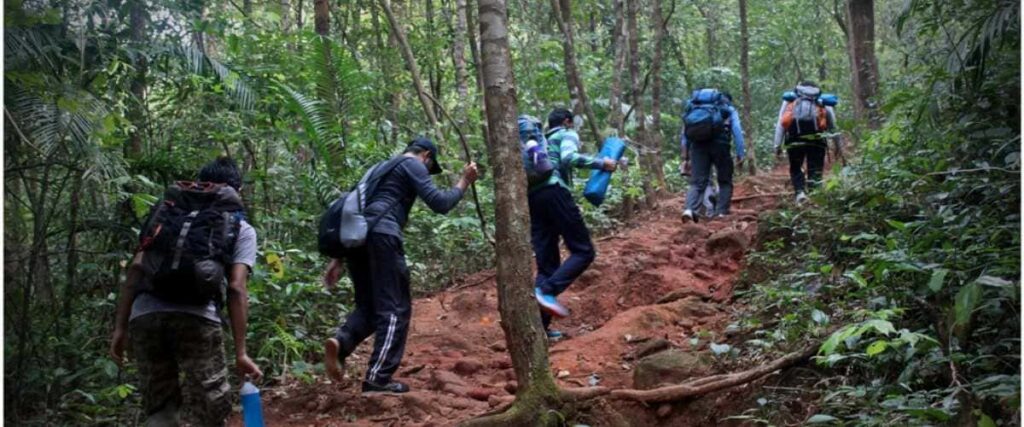
One of the main challenges of the Kumara Parvatha Trek is the difficult terrain. On top of that, the weather conditions also determine the best period for trekking in the Western Ghats of Karnataka. The summer months, though dry, can get extremely hot and there are chances of forest fires breaking out. Therefore, during some years, the trails are closed for tourists from the month of March to September. This also includes the monsoon months.
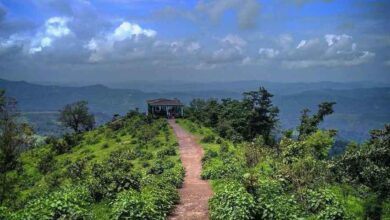
Since the slope is steep, you need a firm grip on the ground which becomes difficult with the rain making the ground slippery. This may cause accidents and fatalities so it’s best to avoid going for this trek during monsoons. The ideal period for traveling are the months from October to February. The weather is pleasant and since it is the post-monsoon period, the entire region comes alive and looks like a green tapestry making for stunning photographs. It is vital that you choose the appropriate season for trekking otherwise your entire trip will get spoiled.
Read More : Gokarna: The Perfect Bangalore Weekend Getaway – Your Ultimate Travel Guide
How to Reach?
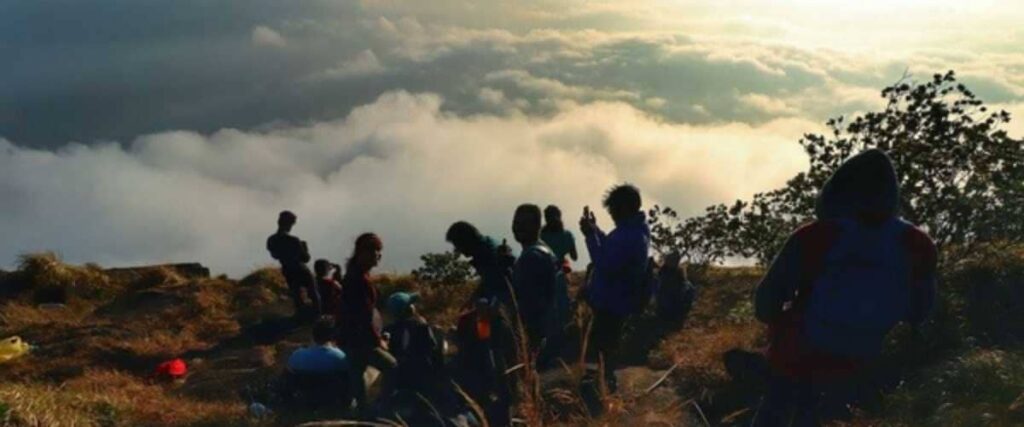
Nestled at an altitude of 5600 ft, the Pushpagiri peak is located in the Kodagu district of Tadiandamol. The trek starts from the town of Kukke Subrahmanya and you can travel from Bangalore. There are many ways from Bangalore such as the Kannur Karwar Express. From the railway station, you will find autos and jeeps which can take you to your destination. There are also KSRTC and other private buses which ply from Bangalore. The buses are well-equipped and you can reach this place by the next morning, post which you can start your trek after taking a rest for a bit.
Trekking Itinerary

On day 1, you will be boarding the bus from your pick up location and then heading towards Kukke Subrahmanya. On the way you will be coming across the Karachi Bakery and the Domlur Skywalk. The bus seats are quite comfortable so take rest for a while and gear up for the 22 kilometer trek the next day. The trek begins and as you make your way through the dense foliage, you will come across a diverse range of flora and fauna.
After trekking for a few kilometers, take a break and rest near the Bheema Rock or as it is locally called, the Bheemana Bande. From here, proceed towards the Girigadde viewpoint, where you can watch the golden sun brighten the entire surrounding, adding a magical touch to the greenery. The route is difficult because of the steep ascents but at the end of the stretch when you reach the forest check post and witness the beauty of the majestic Shesh Parvatha and the wide western ghats. You will be heading towards Bhattara Mane and enjoy scrumptious meals after a tiring journey. After this, head to the forest office to seek permission and pay for your trek next day.
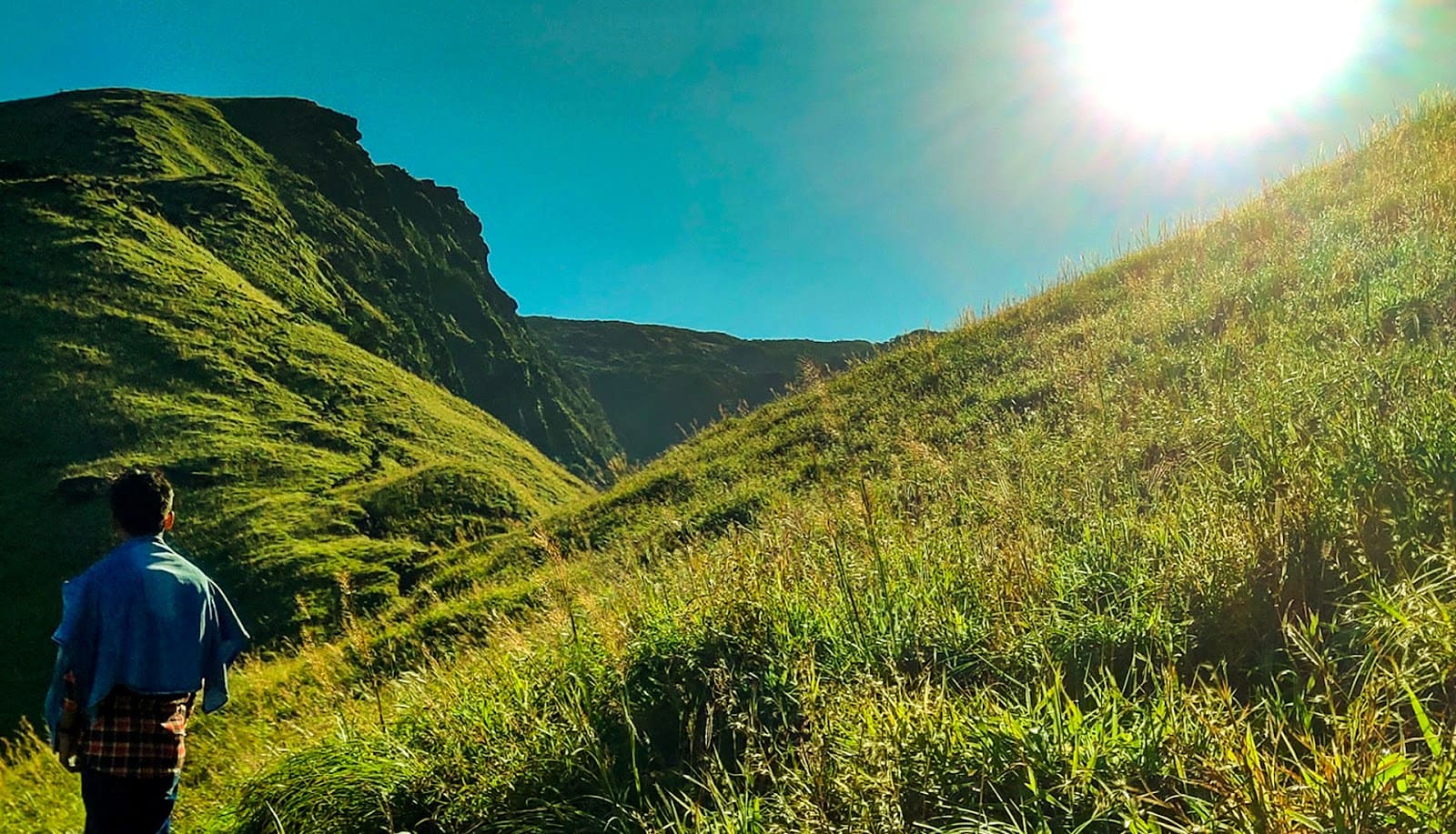
After taking a good night’s rest, you will be making your way through the lush grasslands and cross pristine streams. The ascent is pretty steep and you will have to take a break at Kallu Mantapa. Capture some good images while you are here. Once a beige rock formation is visible, you will know that you have reached Shesha Parvatha. At the base, there is a temple which is considered to be extremely pious by the devotees. Offer your prayers here and then resume your journey to the Kumara Parvatha summit.
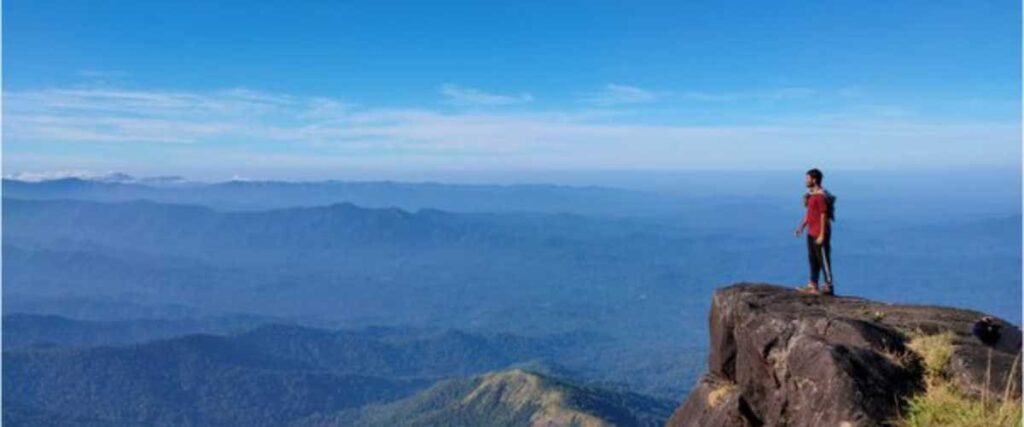
You will reach the second forest trail from here onwards and will come across cascading waterfalls. Amidst the clouds and the greenery, you will be reaching the peak and will be able to catch a panoramic view of the entire region. As you relax your sore muscles after a tiring journey, savor the silence and appreciate the beauty that this place has to offer. On your way back, maintain a firm grip on the ground and watching your footing because the descent can get difficult as well. Try returning to the base camp by evening so that you can catch some sleep before going back home.
Read More : Discover the Untouched Beauty of Karnataka: 10 Hidden Gems to Explore!
Things To Do Near Kumara Parvatha
Kukke Shree Subrahmanya Swami Temple: This temple is highly regarded by the local population as they have immense belief in its sanctity. The legends say that it was the union ground of Lord Kumaraswamy with Lord Indra’s daughter, Devasana and was also blessed by the Serpent King, Vasuki. In order to get to the temples, you will have to cross a river called the Kumaradhara river. It is said that taking a dip or a holy bath in these waters can cure chronic diseases such as Leprosy and can help bring new vigour and strength to your life. The six headed serpent like Shesh parvatha and the colossal Kumara Parvatha in the background, and the lush greenery in the vicinity creates a mystical aura for this religious site.
Bisle Ghat View Point: Once you travel 20 kilometers ahead of Kukke Subrahmanya Temple, towards Sakleshpur, you will come across the beautiful Bisle Ghat Viewpoint. You will get a bird’s eye view of the three peaks of Karnataka such as the Shesha Parvatha, the Kumara Parvatha and the Dodda Betta. This is the point where everybody comes for sightseeing and clicking stunning photographs of the entire valley. Since you will be walking up to this point, you are in for a treat because you will get to traverse the forest trails, with the glistening Giri River alongside. On the way, you will come across a lot of wildlife in their natural settings when you will be traveling to Bisle Reserve Forest.
Pushpagiri Wildlife Sanctuary: This wildlife Sanctuary opens in the morning at 6 AM and visiting hours end in the evening at 6 PM. One of the most famous tourist attractions in Coorg, the Pushpagiri Wildlife Sanctuary is home to various exotic birds such as the Nilgiri wood pigeon,Grey headed bulbul and Malabar Grey hornbill among many others. Since this place is 58 kilometers from Coorg, you can plan to spend the entire day exploring this Sanctuary and its wildlife. As the sun passes through the foliage, the entire surrounding brightens up and the journey through the region becomes memorable.
Mallalli Falls: Considered to be one of the most striking places within the Pushpagiri Wildlife Sanctuary, the cascading Mallalli Falls, looks like a river or milk with how beautiful and pristine it appears. As the water originates in the Kumaradhara river, it falls from 1000 ft above so that the small streams get supply of water. Tourists come here for different purposes such as photos, resting or taking a dip in the cool waters of the gorge formed below. The white clouds hovering overhead, the verdant hills embracing this waterbody and the gushing sound of the waters, create a soothing experience for any visitor.
Mandalpatti Peak: Another beautiful part of the Pushpagiri Reserve Forest is the Mandalpatti Peak which is situated at an altitude of 4050 ft. Locally, it is referred to as Muguli Peth which means market of clouds because of the stunning vistas it offers. You will be making your way through the coffee estates and hiking through the lush forests, to reach this point. The mesmerizing sunrise and sunset, both are a treat for the sore eyes and worth all the effort.
Biladwara Caves: Another religious site is the Biladwara Caves. According to Hindu Mythology, Vasuki, the Serpent King did not wish to face the wrath of Garuda so he found this place and hid himself while also repenting his misdeeds. This is a natural cave and easy to locate as it is in the area of the Kukke Subrahmanya Temple. Visiting hours start at 5 AM and end at 7 PM. You do not have to purchase any tickets and there is a nominal entry fee. It is a place that tourists must visit when in Coorg.
Abbey Falls: Amidst the coffee and cardamom gardens, lies the stunning Abbey Falls. The water falls from 70 ft and its source is river Kaveri. Few things to keep in mind are that visitors cannot go for a swim in the water, the entry timings are from 9 AM to 5 PM and from the suspension bridge, you will be able to capture the mesmerizing vistas.
Conclusion
Holidays are best spent doing something that brings you joy and there is nothing better than a quiet escape from the hustle and bustle of the cities to the hilly areas. Even if you are a devotee, this religious place will bring peace to your mind. This is where you can unleash your inner explorer and witness the beauty of nature. Capture splendid images of the surroundings and add it to your travel diaries.