|
Getting your Trinity Audio player ready...
|
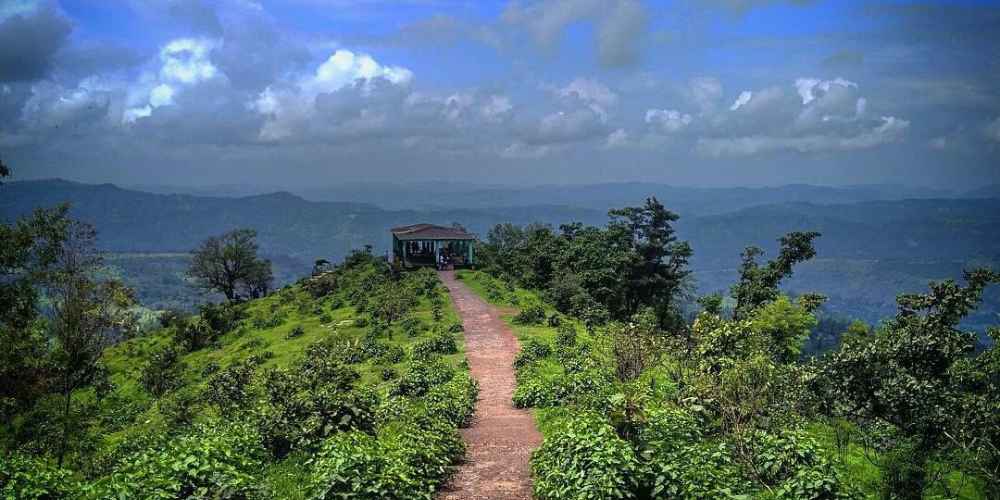
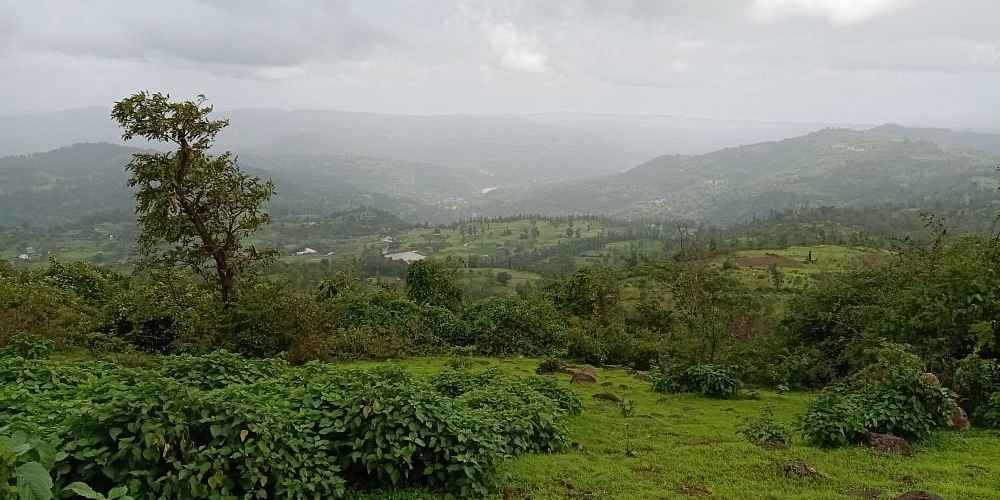
Tucked away in the Sahyadri foothills of South Gujarat, Wilson Hills is one of those rare hill stations that most travelers haven’t heard of — and that’s exactly what makes it special. Perched at roughly 750 metres (2,500 feet) above sea level near Dharampur taluka in Valsad district, Wilson Hills is often called one of the only hill stations in the world from which you can actually catch a glimpse of the sea on a clear day. Add to that mist-wrapped peaks, dense forest trails, waterfalls, and a slice of colonial history, and you have the makings of a perfect weekend escape from Surat, Ahmedabad, or even Mumbai.
If you’ve already explored the best places to visit in Gujarat during monsoon or ticked off the temples and deserts covered in our complete Gujarat travel guide, Wilson Hills deserves a spot right at the top of your next itinerary.
Where Is Wilson Hills Located?
Wilson Hills sits close to Dharampur town in the Valsad district of South Gujarat, in a densely forested belt of the Western Ghats near the Pangarbari Wildlife Sanctuary. It’s considered the nearest hill station to Surat, roughly 27 km from Dharampur city, and easily reachable as a day trip or short overnight getaway from Surat, Valsad, Vapi, and even Ahmedabad or Mumbai on a long weekend.
Its border location — right where Gujarat meets the Maharashtra hill country near Nashik — gives it a green, layered landscape that feels a world away from Gujarat’s coastal plains and desert imagery most travelers associate with the state.
A Bit of History: Who Was Wilson?
Wilson Hills gets its name from Sir Leslie Wilson, the Governor of Bombay Presidency between 1923 and 1928. Wilson, along with Vijaydevji, the Maharana of Dharampur, had originally envisioned developing this cool, elevated retreat into a full-fledged hill station along the lines of Mahabaleshwar or Matheran. While the grand development plan never fully materialized, a marble memorial — locally known as the “Chhatri” — still stands at the peak in tribute to the two men who first saw its potential. Today it remains one of the most photographed spots on the hill.
Top Things to See at Wilson Hills
Wilson Hills may be compact, but it packs in a handful of genuinely rewarding viewpoints and short nature trails:
Table Top / Sunset Point
The signature spot at Wilson Hills, offering sweeping views over the forested valleys below. On a clear evening — especially post-monsoon — you can spot a faint shimmer of the Arabian Sea on the horizon, which is what gives this hill its “sea view” reputation.
Marble Chhatri (Memorial Point)
The white marble monument built in memory of Sir Leslie Wilson and Vijaydevji. It’s a peaceful, quiet corner of the hill and a great sunrise or golden-hour photo stop.
Sunrise Point & Steep Valley Point
Lesser-crowded viewpoints that reward early risers with layered valley views and cool morning mist rolling over the treeline.
Shankar Waterfall & Bilpudi Waterfall
Both waterfalls come alive during and just after the monsoon, cutting through dense forest cover. They’re a short trek away and popular with day-trippers looking for a quick nature break.
Lady Wilson Museum
A small museum showcasing tribal art, local history, and artifacts from the Dangi and Warli communities native to this belt of South Gujarat — worth 30–45 minutes if you’re interested in the region’s indigenous culture.
Barumal Temple
A modest, peaceful temple near the hill, often combined with a visit to the museum for those wanting a quieter, more reflective stop on the itinerary.
Best Time to Visit Wilson Hills
- Monsoon (June–September): Hands down the best season. The hills turn a deep green, waterfalls are in full flow, and the famous Wilson Hills Monsoon Festival (organized by the Valsad district administration) brings tribal dance performances like Peppa, Tur, Gheraiya, and Dangi, along with local handicraft and food stalls.
- Winter (October–February): Pleasant, cool weather ideal for trekking and photography, with clearer skies for those sea-glimpse views.
- Summer (March–May): Warmer, but still noticeably cooler than the plains below — and this is mango season, with the region’s famous local Alphonso and Kesar varieties in full swing.
For travelers who love chasing the rains, this pairs beautifully with our guide to the best places to visit in Gujarat in monsoon.
How to Reach Wilson Hills
By Road: Wilson Hills is well connected by road from Valsad, Surat, and even Nashik. The most common approach is Surat → Dharampur → Wilson Hills, a drive of around 2–2.5 hours covering roughly 90 km. From Valsad town, it’s closer to 40 km via Dharampur.
By Rail: The nearest railway stations are Valsad and Dharampur, both on the Western Railway line connecting Mumbai and Ahmedabad. From either station, local taxis or shared jeeps cover the final stretch up to the hill.
By Air: The nearest airport is Surat International Airport, roughly 90–100 km away, making Wilson Hills an easy weekend add-on for travelers flying into South Gujarat.
If road trips are your thing, this region pairs well with the kind of exploring covered in our ultimate guide to bike trips in Gujarat — the Surat–Dharampur stretch offers a scenic, forest-lined ride.
Where to Stay
Wilson Hills itself is largely undeveloped and works best as a day trip or a one-night camping experience, since dedicated hotel infrastructure directly on the hill is limited. Most travelers base themselves in Dharampur, which has guesthouses and small resorts, or in Valsad and Surat, which offer a wider range of hotels for those who prefer more comfort after a day of sightseeing. Several local tour operators also run monsoon camping trips to Wilson Hills complete with bonfires, tribal Garba nights, and an early trek to Shankar Waterfall the next morning.
Things to Keep in Mind
- Roads leading up can get slippery during heavy monsoon showers — drive carefully, especially on the ghat sections.
- Carry basic essentials (water, snacks, a light jacket) since eateries on the hill itself are limited.
- Network connectivity can be patchy in stretches near the forest, so download offline maps in advance.
- Adventure activities are limited mainly to trekking and nature walks — this is a destination for slow travel and scenery rather than adrenaline sports.
- Respect the Pangarbari Wildlife Sanctuary boundary and avoid littering the forest trails.
Why Wilson Hills Deserves a Spot on Your Gujarat Itinerary
Gujarat’s tourism identity is usually built around the white salt desert of Kutch, the temples of Dwarka and Somnath, and the roar of Asiatic lions in Gir — and rightly so. But Wilson Hills offers something genuinely different: a cool, misty, forested escape with the novelty of an occasional sea view from a hilltop, something few destinations in India can claim. It’s an easy add-on for anyone road-tripping through South Gujarat, and a refreshing contrast if you’ve just come from Ahmedabad’s heritage trail or the salt flats of Kutch.
Whether you’re chasing waterfalls in the monsoon, photographing sunrise from the Marble Chhatri, or simply looking for a quiet weekend away from the city, Wilson Hills is proof that Gujarat’s landscape has more layers than most travelers realize.
FAQs About Wilson Hills
Q: Is Wilson Hills good for a one-day trip from Surat? Yes, it’s the nearest hill station to Surat and comfortably doable as a day trip, though staying overnight (especially during monsoon) lets you catch both sunset and sunrise viewpoints.
Q: Why is Wilson Hills famous for sea views? It’s one of the very few hill stations in the world elevated enough and positioned close enough to the coast that a glimpse of the Arabian Sea is visible from its peak on a clear day.
Q: What is the Wilson Hills Monsoon Festival? An annual multi-day festival organized by the Valsad district administration featuring tribal dance forms, local handicrafts, food stalls, and guided nature activities like jungle trekking.
Q: Is Wilson Hills safe for solo travelers and families? Yes, it’s a low-key, family-friendly destination, though it’s best visited during daylight hours since facilities and lighting on the hill itself are minimal after dark.
Planning more of South Gujarat? Check out our guides to the best monsoon destinations in Gujarat, the Ahmedabad–Statue of Unity–Polo Forest bike loop, and our complete Gujarat Yatra Guide for more hidden gems across the state.