AsiaVietnam

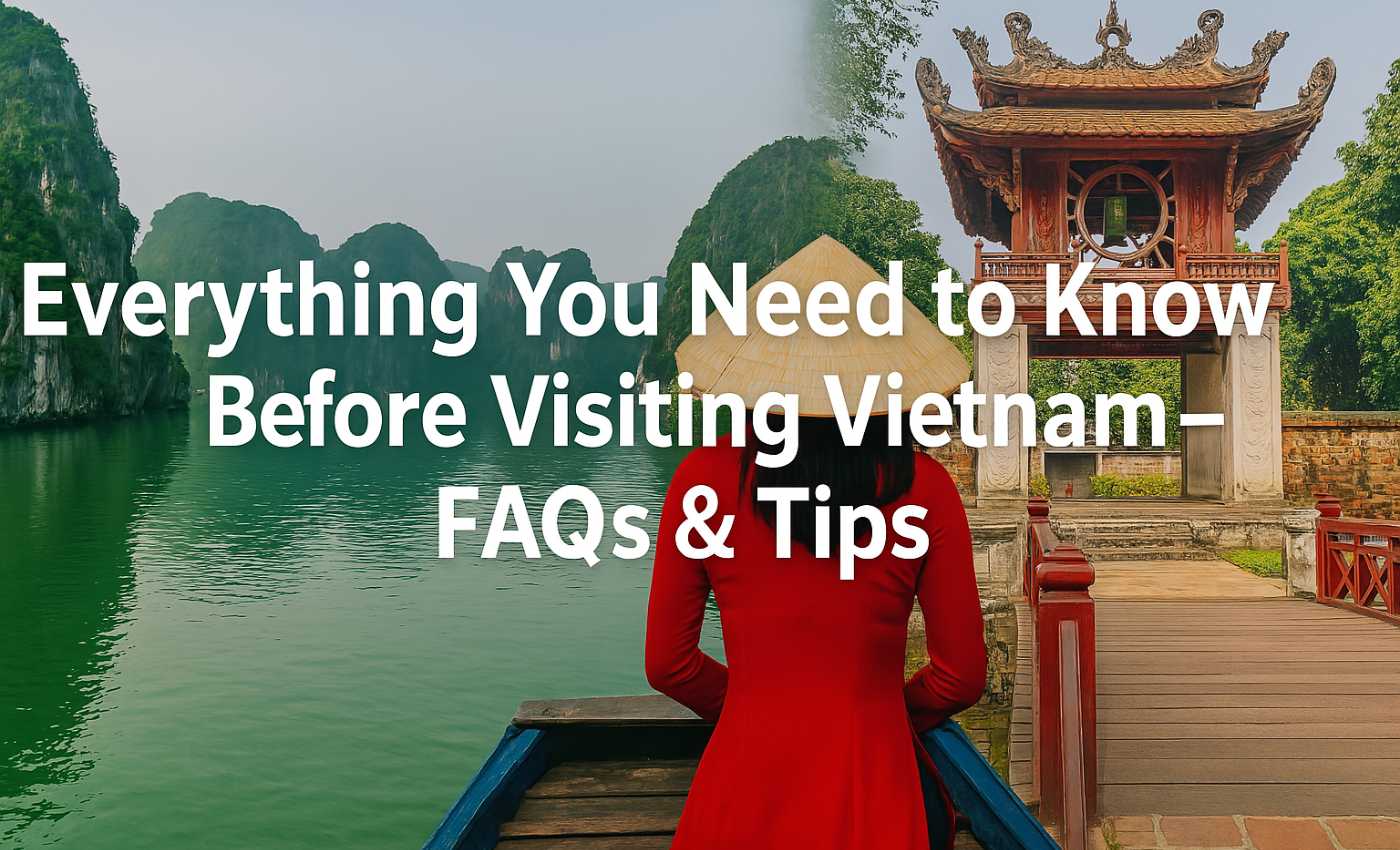
Everything You Need to Know Before Visiting Vietnam – FAQs & Tips

Getting your Trinity Audio player ready...

How Much Will a Vietnam Trip Cost?

Is $100 a Lot of Money in Vietnam?

Vietnam is an affordable destination, and $100 can go a long way, especially for budget travelers. A typical meal at a local restaurant costs around $2-$5, while street food can be even cheaper. Public transportation, such as buses and motorbike taxis, is also inexpensive, costing just a few dollars per ride. If you’re staying in budget accommodations like hostels or guesthouses, you can find options for as low as $10-$15 per night. However, if you prefer mid-range or luxury accommodations, your expenses will be significantly higher.

Is $500,000 Enough for a Vietnam Trip?

Vietnamese currency is the Vietnamese Dong (VND), and $500,000 VND is approximately $20 USD. While this is not sufficient for an entire trip, it can cover basic expenses like meals, transportation, and entrance fees for one or two days. If you plan on staying in Vietnam for a longer period, you will need a larger budget.

How Many Days in Vietnam is Enough?

The ideal number of days depends on the type of experience you want. For a short trip, 7 days are enough to cover major attractions like Hanoi, Halong Bay, Da Nang, Hoi An, and Ho Chi Minh City. If you want a more in-depth experience, 10-14 days will allow you to explore additional locations such as Sapa, Ninh Binh, Phong Nha-Ke Bang National Park, and the Mekong Delta.

Is Thailand or Vietnam Cheaper?

Vietnam is generally more affordable than Thailand in terms of accommodation, food, and activities. Street food in Vietnam is cheaper, and transportation costs are lower. However, Thailand has more developed tourism infrastructure, which may offer more budget-friendly options in some cases.

Read Also : Why Ho Tram is the Perfect Escape from Saigon

How Much Money Do I Need for 7 Days in Vietnam?

  • Budget travelers: $300-$400 (staying in hostels, eating street food, using public transport).
  • Mid-range travelers: $700-$1,000 (staying in 3-star hotels, dining in restaurants, taking domestic flights).
  • Luxury travelers: $1,500+ (staying in 5-star resorts, fine dining, private tours).

Why is Vietnam So Cheap to Travel?

Vietnam has a lower cost of living, making it an affordable travel destination. Labor and production costs are low, which keeps prices for food, transport, and accommodation reasonable. Additionally, the exchange rate favors travelers from Western countries, making Vietnam a budget-friendly destination.

Where to Go for the First Time in Vietnam?

First-time travelers should consider visiting the following destinations:

  • Hanoi: The capital city, known for its rich history, old quarter, and street food.
  • Halong Bay: Famous for its limestone karsts and boat cruises.
  • Hoi An: A charming ancient town with well-preserved architecture.
  • Da Nang: A coastal city with beautiful beaches and nearby attractions like the Golden Bridge.
  • Ho Chi Minh City: A vibrant metropolis with a mix of history and modernity.

Is Vietnam Worth Visiting?

Absolutely! Vietnam offers diverse landscapes, rich cultural heritage, delicious cuisine, and warm hospitality. From bustling cities to serene countryside and stunning coastlines, Vietnam has something for every traveler.

Which Month is Best to Visit Vietnam?

The best time depends on the region:

  • North Vietnam (Hanoi, Halong Bay, Sapa): March-April, September-November (mild weather, less rain).
  • Central Vietnam (Da Nang, Hoi An, Hue): February-May (dry and sunny weather).
  • South Vietnam (Ho Chi Minh City, Mekong Delta, Phu Quoc): November-April (dry season, pleasant temperatures).

Does Vietnam Require a Visa?

Many nationalities require a visa to enter Vietnam. The country offers e-visas, visa-on-arrival options, and visa exemptions for select countries. Check the official government website for the latest visa policies before traveling.

Is Vietnam Cheaper Than the USA?

Yes, Vietnam is significantly cheaper than the USA in terms of accommodation, food, transportation, and activities. A meal that costs $10-$15 in the USA can be found for $2-$5 in Vietnam, and hotel rooms are also much more affordable.

How Much Cash to Bring to Vietnam for 1 Week?

For budget travelers, $300-$400 is sufficient, while mid-range travelers should bring $700-$1,000. Credit and debit cards are widely accepted in major cities, but carrying some cash is advisable for small purchases and rural areas.

Read Also : A Guide to Visiting Detian Waterfall in Guangxi

What Month is Best to Visit Vietnam?

How Many Days in Vietnam is Enough?

A minimum of 7-10 days is ideal for a balanced experience, allowing travelers to explore both northern and southern regions. A 14-day trip offers a more in-depth experience, including off-the-beaten-path destinations.

Do I Need a Visa for Vietnam?

Most travelers require a visa. Vietnam offers e-visas and visa-on-arrival services for select nationalities. Some countries are eligible for visa exemptions for short stays.

Is Vietnam Cheap or Expensive?

Vietnam is an affordable travel destination, though costs vary based on travel style. Budget travelers can survive on $30-$50 per day, while mid-range travelers spend around $70-$100 per day. Luxury travelers can expect to spend over $150 per day.

Where to Go for the First Time in Vietnam?

Hanoi, Halong Bay, Hoi An, Da Nang, and Ho Chi Minh City are must-visit places. For nature lovers, Sapa and Phong Nha-Ke Bang National Park offer breathtaking landscapes.

What to Wear in Vietnam?

Light, breathable clothing is ideal due to the warm climate. Bring a rain jacket during the rainy season and comfortable walking shoes for exploring cities and nature trails. Modest clothing is recommended for temple visits.

How Far in Advance Should I Book in Vietnam?

Book flights and hotels at least one month in advance, especially during peak seasons (November-April). Tours and activities can be booked a few days before arrival but may sell out during high seasons.

Is Vietnam Worth Visiting?

Yes, for its history, culture, landscapes, and delicious food. Whether you enjoy bustling cities, peaceful countryside, pristine beaches, or adventure activities, Vietnam has something to offer.

What is the Main Tourist Season in Vietnam?

The peak season is from November to April, when the weather is cooler and drier. This is the best time for outdoor activities and sightseeing.

What is the Rainy Season in Vietnam?

The monsoon season varies by region but generally lasts from May to October. The central region experiences typhoons from September to November.

How Many Days Do You Need to Travel in Vietnam?

10-14 days is ideal for exploring both northern and southern Vietnam. Those with less time can focus on one region.

When Should I Fly to Vietnam?

Flights are cheapest during the low season (May-September). Booking in advance helps secure better prices.

What is the Hottest Month in Vietnam?

June and July are the hottest months, especially in central and southern regions, where temperatures can exceed 35°C (95°F).

Devesh Chauhan

I’m Devesh Chauhan, a travel writer, explorer, and the founder of MainAwara. For me, travelling is not just about visiting a destination - it is about experiencing the journey, discovering places beyond the usual tourist trail, meeting people, understanding local culture, and collecting stories along the way. Based in Ahmedabad, Gujarat, I combine my love for travel with my passion for long-distance motorcycle journeys. Over the years, I have explored destinations across India by road, on motorcycle, and through independent trips. These journeys have taken me from the beaches and temples of Odisha and Gujarat to the deserts and landscapes of Kutch, the historic cities of Rajasthan and Uttar Pradesh, the mountains of Himachal Pradesh, and the spiritual destinations of Madhya Pradesh and Uttar Pradesh. One of my memorable journeys was a solo motorcycle ride from Ahmedabad to Jagannath Puri, Odisha, covering a long-distance route across multiple states. I have also ridden through several memorable circuits, including Ahmedabad–Bhavnagar–Diu–Somnath–Dwarka–Jamnagar–Rajkot–Ahmedabad, and the Kutch circuit covering Dholavira, Nara Narayan Sarovar, Koteshwar, Bhuj and Ahmedabad. My road journeys have also taken me from Ahmedabad to Agra and Mathura, travelling through Udaipur, Chittorgarh, Kishangarh, Jaipur, Dausa and Bharatpur. Closer to home, I have explored destinations such as Polo Forest, Idar and Saputara. Beyond Gujarat and Rajasthan, I have explored the Spiti Valley circuit in Himachal Pradesh, destinations across Maharashtra including Nashik and Sambhaji Nagar, and the Andaman & Nicobar Islands. My travels in North and Central India include places such as Kashi Vishwanath in Uttar Pradesh, Ujjain, Omkareshwar, Gwalior and Indore, along with several nearby destinations. What I Share on MainAwara Through MainAwara, I share firsthand travel experiences, detailed travel guides, road-trip itineraries, destination guides, travel tips, things to do, places to visit, and practical information that can help other travellers plan their journeys. I particularly enjoy writing about road trips, motorcycle journeys, mountains, beaches, spirituality, adventure, offbeat destinations and Indian culture. My aim is to combine personal experience with practical information so that readers can understand not only where to go, but also how to get there, what to expect, and what makes a place worth visiting. I believe travel information is most useful when it comes from experience. That is why I try to share the details I discover during my own journeys—from road conditions and routes to places worth stopping at, local experiences, viewpoints, food, accommodation and things I wish I had known before the trip. Beyond Travel When I’m not travelling or writing, I work in the IT industry. I also enjoy swimming and playing volleyball. I have contributed to platforms such as Wikipedia and Tripoto, sharing information and experiences related to the places I explore. The Story Behind MainAwara MainAwara is my space to document the journeys, places and experiences that inspire me. Whether it is a long motorcycle ride across India, a road disappearing into the mountains, an ancient temple, a quiet beach, a remote village, or an unexpected experience on the road, I believe every journey has a story worth sharing. So, if you are planning your next road trip, looking for an offbeat destination, or simply love exploring India— Welcome to MainAwara. Explore more. Travel farther. Stay Awara.I’m Devesh Chauhan, a travel writer, explorer, and the founder of MainAwara. For me, travelling is not just about visiting a destination—it is about experiencing the journey, discovering places beyond the usual tourist trail, meeting people, understanding local culture, and collecting stories along the way. Based in Ahmedabad, Gujarat, I combine my love for travel with my passion for long-distance motorcycle journeys. Over the years, I have explored destinations across India by road, on motorcycle, and through independent trips. These journeys have taken me from the beaches and temples of Odisha and Gujarat to the deserts and landscapes of Kutch, the historic cities of Rajasthan and Uttar Pradesh, the mountains of Himachal Pradesh, and the spiritual destinations of Madhya Pradesh and Uttar Pradesh. One of my memorable journeys was a solo motorcycle ride from Ahmedabad to Jagannath Puri, Odisha, covering a long-distance route across multiple states. I have also ridden through several memorable circuits, including Ahmedabad–Bhavnagar–Diu–Somnath–Dwarka–Jamnagar–Rajkot–Ahmedabad, and the Kutch circuit covering Dholavira, Nara Narayan Sarovar, Koteshwar, Bhuj and Ahmedabad. My road journeys have also taken me from Ahmedabad to Agra and Mathura, travelling through Udaipur, Chittorgarh, Kishangarh, Jaipur, Dausa and Bharatpur. Closer to home, I have explored destinations such as Polo Forest, Idar and Saputara. Beyond Gujarat and Rajasthan, I have explored the Spiti Valley circuit in Himachal Pradesh, destinations across Maharashtra including Nashik and Sambhaji Nagar, and the Andaman & Nicobar Islands. My travels in North and Central India include places such as Kashi Vishwanath in Uttar Pradesh, Ujjain, Omkareshwar, Gwalior and Indore, along with several nearby destinations. What I Share on MainAwara Through MainAwara, I share firsthand travel experiences, detailed travel guides, road-trip itineraries, destination guides, travel tips, things to do, places to visit, and practical information that can help other travellers plan their journeys. I particularly enjoy writing about road trips, motorcycle journeys, mountains, beaches, spirituality, adventure, offbeat destinations and Indian culture. My aim is to combine personal experience with practical information so that readers can understand not only where to go, but also how to get there, what to expect, and what makes a place worth visiting. I believe travel information is most useful when it comes from experience. That is why I try to share the details I discover during my own journeys—from road conditions and routes to places worth stopping at, local experiences, viewpoints, food, accommodation and things I wish I had known before the trip. Beyond Travel When I’m not travelling or writing, I work in the IT industry. I also enjoy swimming and playing volleyball. I have contributed to platforms such as Wikipedia and Tripoto, sharing information and experiences related to the places I explore. The Story Behind MainAwara MainAwara is my space to document the journeys, places and experiences that inspire me. Whether it is a long motorcycle ride across India, a road disappearing into the mountains, an ancient temple, a quiet beach, a remote village, or an unexpected experience on the road, I believe every journey has a story worth sharing. So, if you are planning your next road trip, looking for an offbeat destination, or simply love exploring India— Welcome to MainAwara. Explore more. Travel farther. Stay Awara.

Related Articles

Back to top button