|
Getting your Trinity Audio player ready...
|
Northeast India Travel Overview
Northeast India, known as the “Land of Seven Sisters,” comprises Arunachal Pradesh, Assam, Manipur, Meghalaya, Mizoram, Nagaland, and Tripura. This culturally diverse region offers unique experiences from October to April, featuring over 200 tribes, pristine wildlife sanctuaries, ancient monasteries, and adventure activities ranging from trekking to wildlife safaris. The region requires special permits for some states and offers travel packages from ₹15,000 to ₹100,000+ depending on comfort level and duration.
Unveiling the Allure of Northeast India: A Land of Seven Sisters
Northeast India, often called the “Land of Seven Sisters,” presents a unique tapestry of culture, landscapes, and traditions, distinct from the rest of the country. This region, comprising Arunachal Pradesh, Assam, Manipur, Meghalaya, Mizoram, Nagaland, and Tripura, is connected to India by the narrow Siliguri Corridor, fostering both isolation and a strong sense of shared identity. For travelers seeking an offbeat destination, Northeast India offers an unparalleled experience, blending adventure with cultural immersion.
Each state boasts its own distinct character, from the towering peaks of Arunachal Pradesh to the cloud-kissed hills of Meghalaya, promising a diverse range of attractions. This area is a melting pot of over 200 tribes, speaking more than 100 languages and dialects, preserving ancient customs alongside modern influences. The region’s biodiversity is equally impressive, with dense forests and pristine rivers sheltering rare wildlife, including Assam’s iconic one-horned rhinoceros. Exploring the Seven Sisters is an invitation to discover a hidden gem within India, where natural beauty and cultural richness converge.
Understanding the Mystical Seven Sisters of Northeast India
Northeast India comprises the seven sister states—Arunachal Pradesh, Assam, Manipur, Meghalaya, Mizoram, Nagaland, and Tripura—a region celebrated for its cultural diversity and scenic beauty. This area, linked to the rest of India by the narrow Siliguri Corridor, has maintained a distinct identity shaped by its relative isolation.
The term “Seven Sisters” signifies not only their geographical proximity but also their shared heritage and interconnected cultures. Each state presents unique attractions, from Arunachal Pradesh’s mountain vistas to Meghalaya’s cloud-covered landscapes, together forming the essence of northeast india tourism.
The region’s ethnic diversity is a defining characteristic. Home to over 200 tribes, with more than 100 languages and dialects spoken, it is a repository of living traditions where ancient customs coexist with modern life. Buddhist monasteries, churches, and indigenous spiritual practices reflect India’s diverse cultural landscape.
Its geographical isolation has inadvertently preserved its natural beauty. Dense forests, pristine rivers, and untouched landscapes offer refuge to rare wildlife and plant species unique to this part of Asia. From Assam’s one-horned rhinoceros to Arunachal Pradesh’s clouded leopards, the seven sisters are home to significant biodiversity.
What Makes Northeast India Unique
- Cultural Diversity: Over 200 tribes speaking more than 100 languages and dialects
- Geographic Location: Connected to India through the narrow Siliguri Corridor
- Biodiversity: Home to rare wildlife including one-horned rhinoceros and clouded leopards
- Religious Harmony: Buddhist monasteries, churches, and indigenous spiritual practices coexist
- Natural Preservation: Dense forests and pristine rivers remain largely untouched
Having explored the unique identity and cultural richness of the Seven Sister states, understanding the optimal time to visit this enchanting region is crucial for an unforgettable travel experience.
Best Time for Your Northeast India Adventure
To fully appreciate northeast india, it’s important to understand its seasonal climate. Influenced by monsoons, the region experiences significant weather variations throughout the year, making the timing of your visit crucial.
The optimal period to visit north east india is from October to April. During these months, clear skies and moderate temperatures provide ideal conditions for exploring the region. The post-monsoon season reveals landscapes with cascading waterfalls, clear rivers, and expansive mountain views.
October to December is considered the best time for north east trip, offering the best weather across all seven states. This period coincides with local festivals, such as Nagaland’s Hornbill Festival in December, providing opportunities for cultural immersion. The clear air is particularly appealing to photographers and nature enthusiasts.
The favorable weather extends from January to March, although temperatures can decrease in higher areas. This time is advantageous for wildlife viewing, as animals are more active in the cooler temperatures, and migratory birds populate the region’s wetlands and forests.
While challenging for typical tourism, the monsoon season, from May to September, transforms the landscape into a lush, green paradise. Waterfalls are at their fullest, and Meghalaya’s living root bridges are particularly striking. However, heavy rainfall can disrupt travel plans, requiring flexible itineraries and appropriate gear.
Seasonal Travel Guide for Northeast India
| Season | Months | Weather | Best For | Considerations |
|---|---|---|---|---|
| Peak Season | October – December | Clear skies, moderate temperatures | Festivals, photography, general tourism | Higher prices, advance booking required |
| Good Season | January – March | Cool temperatures, clear weather | Wildlife viewing, trekking | Cold in higher altitudes |
| Off Season | April – May | Warming temperatures | Budget travel, fewer crowds | Pre-monsoon heat |
| Monsoon | June – September | Heavy rainfall, lush landscapes | Waterfalls, green scenery | Travel disruptions, landslides |
With the best time for north east trip in mind, let’s explore the premier destinations each of the Seven Sister states has to offer, ensuring you capture the essence of this diverse region.
Discovering Northeast India’s Premier Destinations
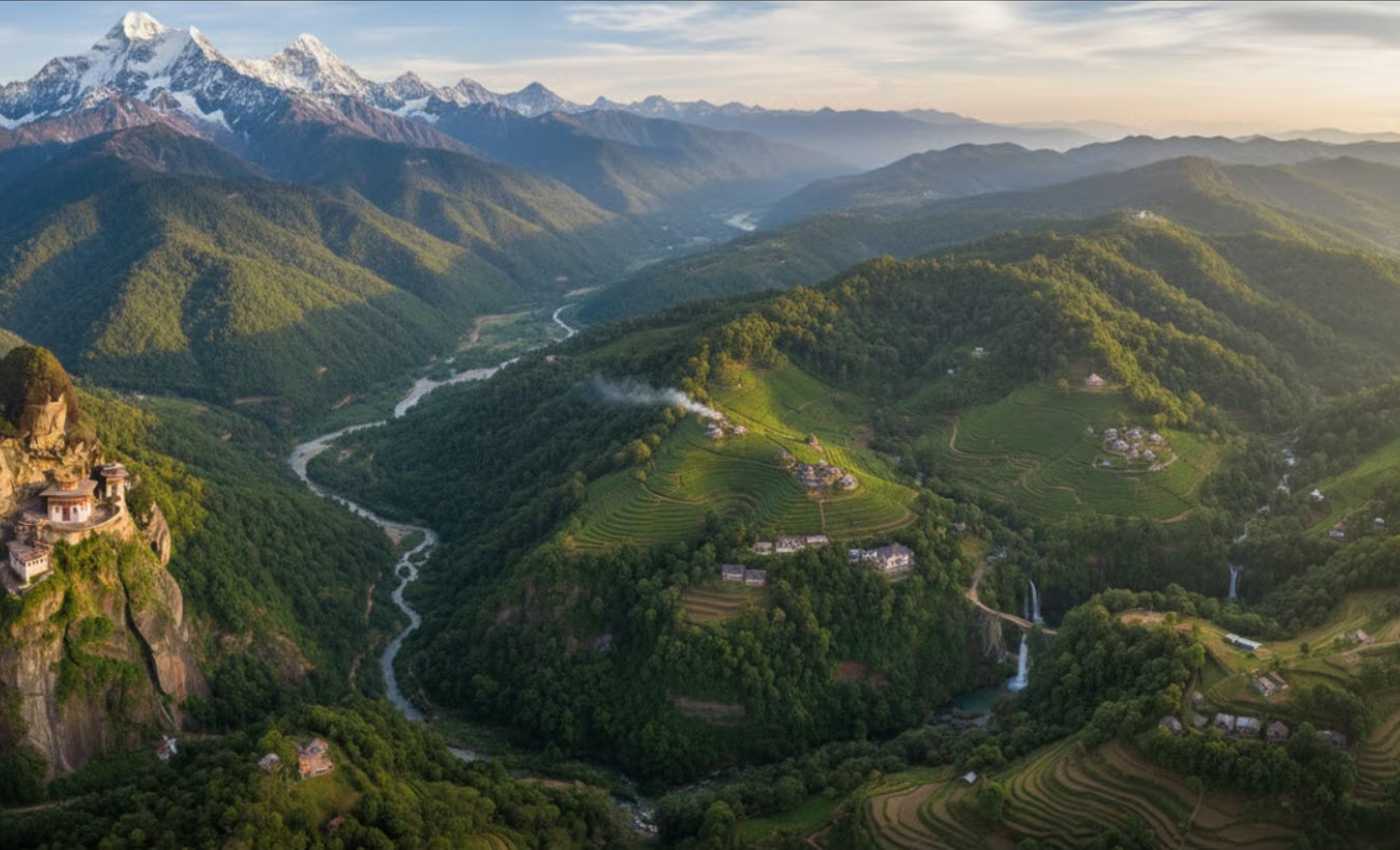
Each of the seven sister states offers unique attractions, contributing to India’s diverse tourism offerings. Understanding each destination’s distinct appeal helps travelers create itineraries that capture the region’s essence. Beyond the Seven Sisters, the enchanting state of Sikkim also beckons with its beauty, offering panoramic views of the Himalayas and vibrant towns like Gangtok.
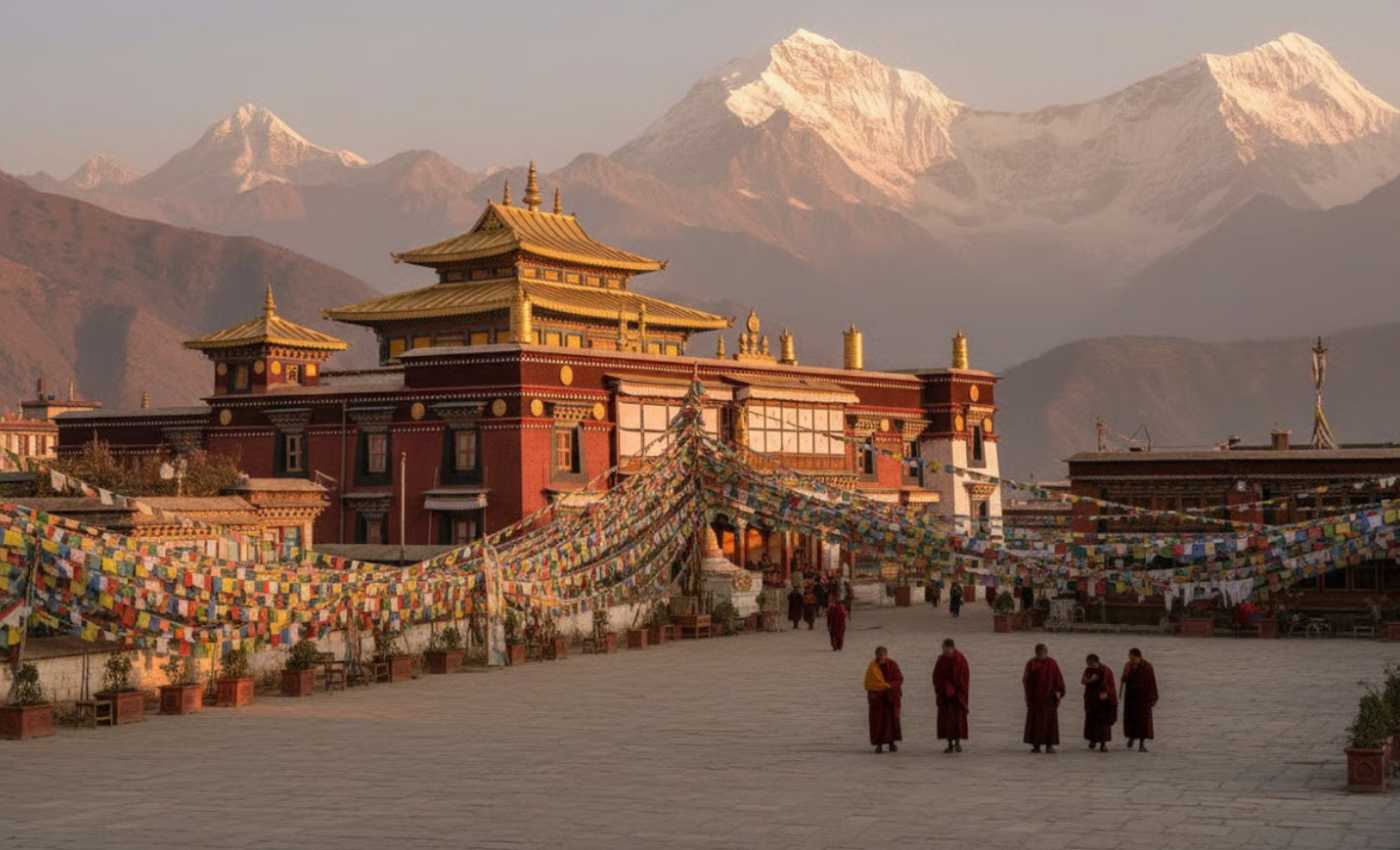
Arunachal Pradesh, known as the “Land of the Rising Sun,” is home to Tawang Monastery, the largest in India and second-largest globally, offering spiritual reflection and Himalayan views. The Ziro Valley, a UNESCO World Heritage Site, showcases the Apatani tribal culture and features rice terraces and bamboo groves. Bomdila and Dirang provide insights into Monpa culture, while Sela Pass offers access to alpine scenery.
Assam, the gateway to northeast india, combines accessibility with diversity. Kaziranga National Park, a UNESCO World Heritage Site, protects a significant population of one-horned rhinoceroses, along with tigers, elephants, and various bird species. The Brahmaputra River supports island cultures like that of Majuli, the world’s largest river island. Tea gardens around Jorhat and Dibrugarh offer tea cultivation experiences, and Kamakhya Temple in Guwahati is a major Hindu pilgrimage site.
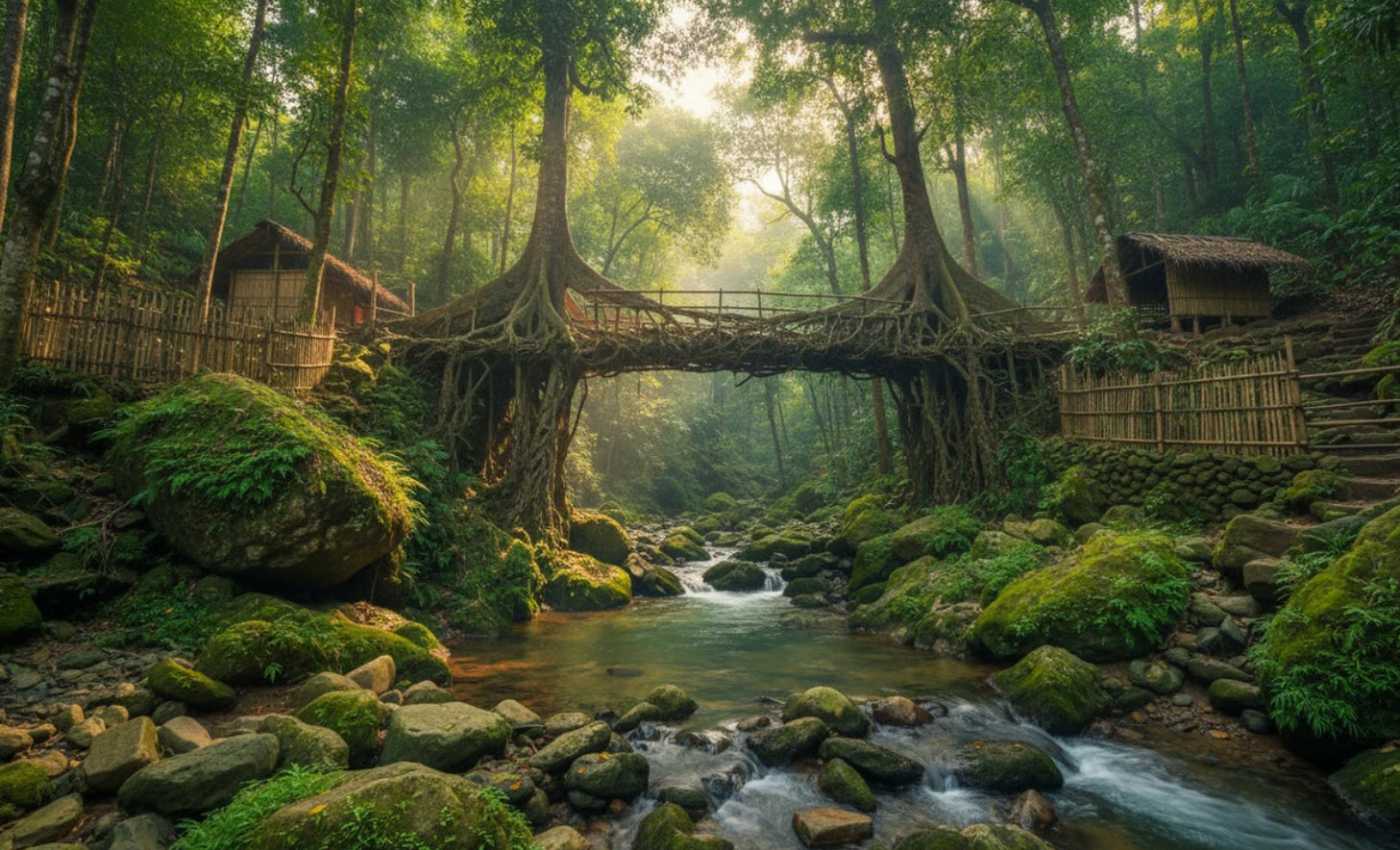
Meghalaya, the “Abode of Clouds,” features unique natural wonders. The living root bridges of Cherrapunji and Mawlynnong are examples of bioengineering by Khasi tribes. Mawlynnong, recognized as Asia’s cleanest village, promotes sustainable living. The state’s cave systems attract spelunkers, and Shillong’s colonial architecture and music scene have earned it the nickname “Scotland of the East.”
Manipur is culturally rich, centered around Loktak Lake, known for its floating islands. Keibul Lamjao National Park, the only floating national park, protects the endangered brow-antlered deer. Imphal’s historic sites, including Kangla Fort and World War II memorials, offer historical context, while the state’s dance traditions and martial arts provide cultural depth.
Nagaland highlights India’s tribal diversity, with each of its tribes preserving distinct traditions. The Hornbill Festival in December showcases music, dance, crafts, and cuisine. Dzukou Valley, on the Nagaland-Manipur border, blooms with flowers during the monsoon, and Kohima War Cemetery commemorates the Battle of Kohima.
Mizoram, the “Land of the Highlanders,” offers landscapes and Christian cultural influences. Aizawl provides valley views, while Champhai offers cross-cultural experiences near the Myanmar border. The state’s bamboo forests and agricultural practices demonstrate highland agriculture.
Tripura combines royal heritage with natural beauty, including Agartala’s Ujjayanta Palace, now a museum. Neermahal, the “Water Palace,” is located in Rudrasagar Lake, and Unakoti’s rock carvings are archaeological treasures. The state’s handloom traditions and tribal cultures enhance its attractions.
Top Attractions by State
- Arunachal Pradesh: Tawang Monastery, Ziro Valley (UNESCO site), Sela Pass
- Assam: Kaziranga National Park, Majuli Island, Kamakhya Temple
- Meghalaya: Living root bridges, Mawlynnong village, Shillong
- Manipur: Loktak Lake, Keibul Lamjao National Park, Kangla Fort
- Nagaland: Hornbill Festival, Dzukou Valley, Kohima War Cemetery
- Mizoram: Aizawl city, Champhai border town, bamboo forests
- Tripura: Ujjayanta Palace, Neermahal Water Palace, Unakoti rock carvings
Having explored the diverse destinations within each state, the next step is to craft an itinerary that balances exploration with the practical considerations of traveling in Northeast India.
Crafting Your Perfect Northeast India Itinerary
Creating a north east india travel itinerary involves balancing exploration with practical travel considerations. The region’s terrain and infrastructure require strategic planning to optimize experiences and minimize travel challenges.
A typical itinerary starts in Guwahati, Assam, the region’s transportation hub, providing access to flights, trains, and roads. From Guwahati, travelers can explore Assam’s attractions, including Kaziranga National Park and Majuli Island, before moving to other states.
For first-time visitors, a 10-14 day itinerary covering three to four states offers sufficient depth. A common route includes Assam (Guwahati, Kaziranga), Meghalaya (Shillong, Cherrapunji), and Nagaland (Kohima), providing diverse experiences from wildlife to cultural immersion. If you’re planning a dedicated trip to the ‘Land of the Rising Sun,’ consider this ultimate Arunachal Pradesh travel guide for a detailed 10-day itinerary.
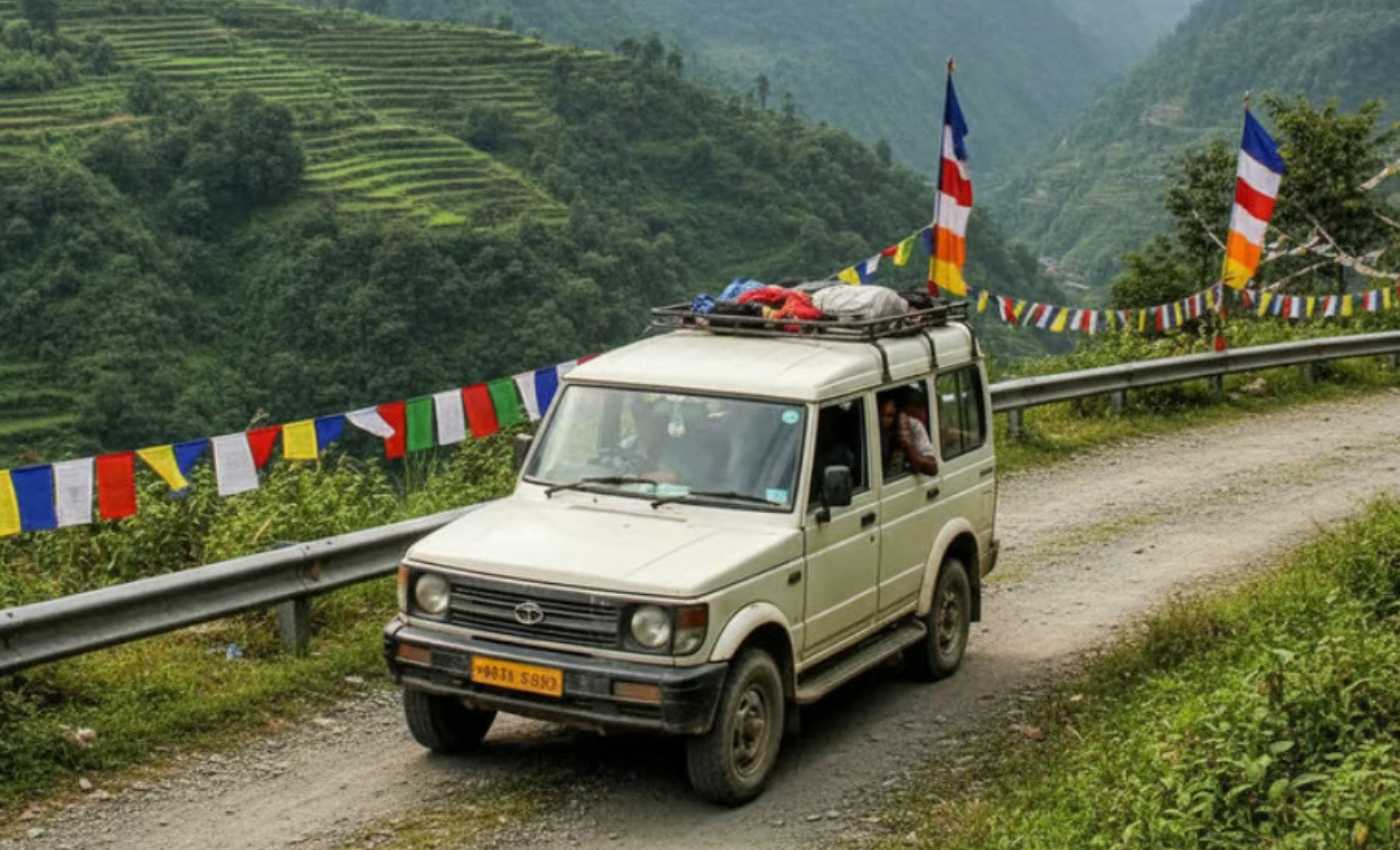
Transportation is key to north east india travel. Shared Sumo vehicles, the primary mode of transport, require advance booking. These vehicles navigate mountain roads but operate on fixed schedules. Private vehicle hire offers flexibility but increases costs.
Permit requirements add complexity, especially for Arunachal Pradesh, which requires Protected Area Permits, and Nagaland, Mizoram, and Manipur, which require Inner Line Permits for Indian nationals. Processing these permits requires advance planning.
Accommodation booking is important during peak season (October-December). Many destinations offer homestays that provide cultural immersion, though comfort levels vary. Booking in advance ensures availability.
Weather contingency planning is essential, as weather changes can disrupt travel. Building buffer days into itineraries allows for flexibility. Travel insurance provides security for weather-related disruptions.
How to Plan Your Northeast India Itinerary
- Start with Guwahati: Use Assam’s capital as your entry point and transportation hub
- Choose 3-4 states: Focus on fewer states for deeper exploration rather than rushing through all seven
- Secure permits early: Apply for required permits 2-4 weeks before travel
- Book transportation: Reserve shared Sumo vehicles or arrange private transport in advance
- Plan for weather: Include buffer days for weather-related delays
- Mix experiences: Combine wildlife, culture, and adventure activities
- Book accommodations: Reserve stays especially during peak season (October-December)
With a well-structured itinerary in mind, let’s delve into the various travel packages available for Northeast India, catering to different budgets and preferences.
Northeast India Travel Packages and Budget Planning
Northeast india packages cater to various budgets and travel preferences, from budget backpacking to luxury cultural tours. Understanding the options helps travelers select packages that align with their needs and financial constraints.
Budget travelers can explore north east india with packages starting around ₹15,000-25,000 per person for 7-10 days. These packages include basic accommodations, shared transportation, and essential permits, allowing for independent exploration. Homestays and guesthouses offer cultural experiences at reasonable costs.
Mid-range packages, priced between ₹30,000-50,000 per person, offer enhanced comfort with better accommodations, private transportation, and curated experiences. These packages often include cultural performances and guided nature walks.
Luxury packages, ranging from ₹60,000-100,000+ per person, provide premium accommodations, private vehicles, and exclusive access to unique experiences, such as helicopter transfers and stays in heritage properties.
Independent travelers can reduce costs by planning their own itineraries, using public transportation, and staying in budget accommodations. This approach requires research and flexibility but can result in significant savings.
Seasonal pricing affects all package categories, with peak season (October-December) commanding higher rates and monsoon season (May-September) offering discounts. Early booking and group rates provide additional savings.
Northeast India Travel Budget Breakdown
| Package Type | Price Range (per person) | Duration | Includes | Best For |
|---|---|---|---|---|
| Budget | ₹15,000-25,000 | 7-10 days | Basic accommodation, shared transport, permits | Backpackers, students |
| Mid-range | ₹30,000-50,000 | 10-14 days | Comfortable hotels, private transport, guided tours | Families, couples |
| Luxury | ₹60,000-100,000+ | 10-15 days | Premium hotels, helicopter transfers, exclusive experiences | Luxury travelers |
| Independent | ₹10,000-20,000 | Variable | Self-planned, public transport, budget stays | Experienced travelers |
Having explored the budget and travel options, effective navigation is crucial. Let’s examine the use of maps and route planning to navigate the complex geography of Northeast India.
Navigating Northeast India: Maps and Route Planning
Navigating north east india requires understanding the region’s geography and using appropriate mapping resources. The terrain, limited infrastructure, and route changes demand careful planning.
Digital mapping applications provide navigation assistance, though accuracy varies in remote areas. Google Maps offers coverage for major routes, while offline applications like Maps.me provide backup when internet connectivity is unreliable. These tools should supplement physical maps and local knowledge.
Physical tourist maps are valuable for understanding geography and planning itineraries. The Survey of India produces topographical maps, and tourism departments publish maps highlighting attractions and accommodations. These maps often include cultural information not available digitally.
Route planning requires considering seasonal accessibility, as monsoon rains can make roads impassable and winter snow can block passes. The Border Roads Organisation maintains highways, but their condition varies. Transportation hubs like Guwahati, Shillong, and Itanagar are crucial waypoints.
Understanding transportation networks helps optimize travel. The region’s system centers on major cities, requiring strategic planning. Shared vehicle services operate on fixed routes, while private hire provides flexibility.
Emergency navigation considerations include carrying physical maps, maintaining offline capabilities, and understanding local schedules. Remote areas may lack mobile coverage, making pre-downloaded maps and local guides essential.
Essential Navigation Tools for Northeast India
- Digital Maps: Google Maps for major routes, Maps.me for offline navigation
- Physical Maps: Survey of India topographical maps, state tourism department maps
- Transportation Hubs: Guwahati, Shillong, Itanagar as key waypoints
- Offline Backup: Downloaded maps and local guide contacts for remote areas
- Seasonal Planning: Route accessibility varies with monsoon and winter conditions
With effective navigation strategies in place, let’s immerse ourselves in the cultural experiences and local traditions that make the Seven Sisters a unique destination.
Cultural Immersion in the Seven Sisters
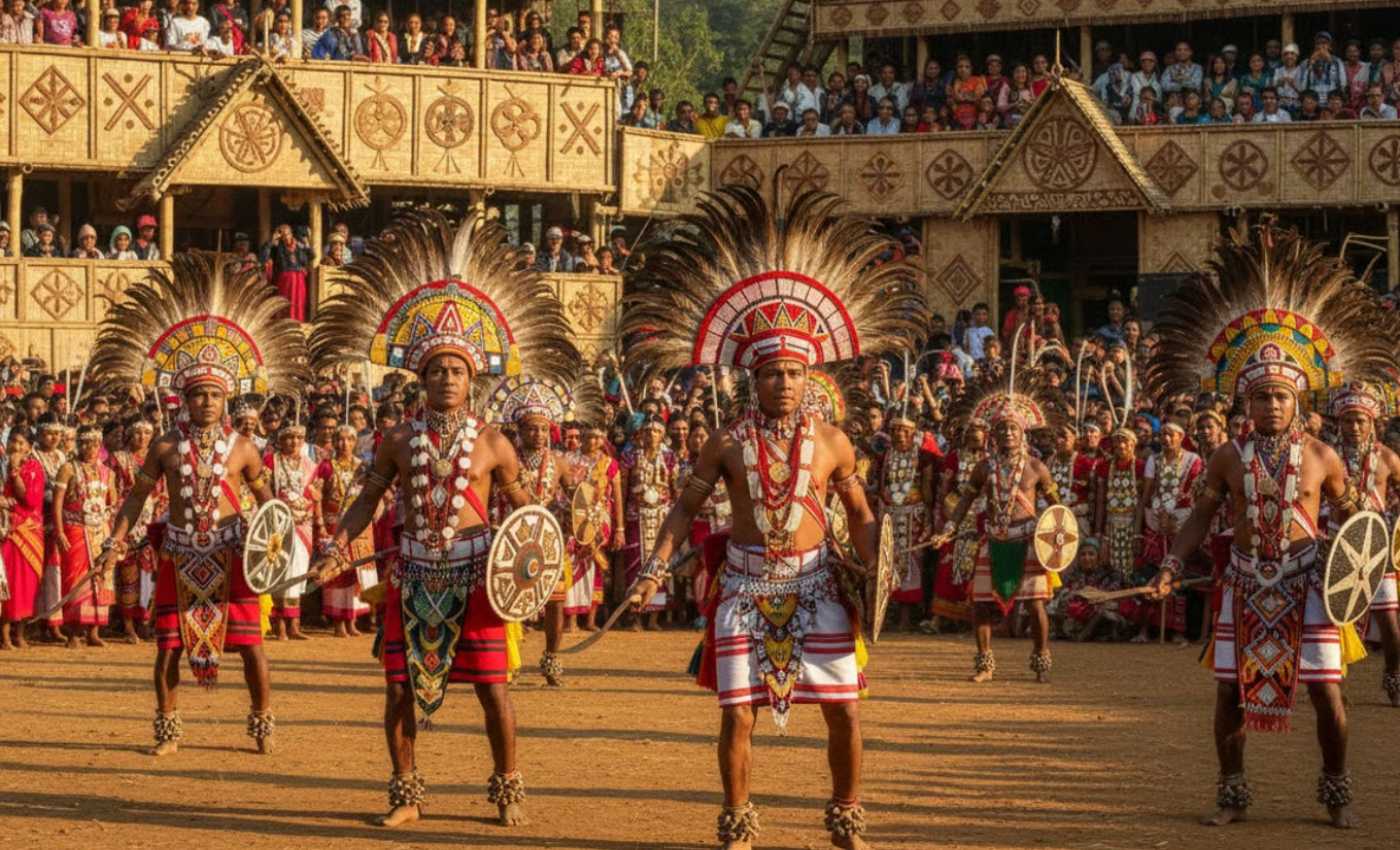
Northeast India’s cultural landscape is ethnically diverse, with numerous tribes maintaining distinct traditions and languages. This diversity offers travelers authentic experiences that challenge conventional understandings of Indian culture.
Festival participation provides immersive cultural experiences, with each state hosting unique celebrations. Nagaland’s Hornbill Festival showcases tribal cultures through music, dance, crafts, and cuisine. Assam’s Bihu celebrations mark agricultural seasons with dances and songs, and Manipur’s Lai Haraoba festival demonstrates ancient ritual traditions.
Traditional craft workshops offer hands-on engagement. Manipur’s handloom centers teach weaving techniques, while Nagaland’s woodcarving workshops demonstrate tribal artistry. Arunachal Pradesh’s monasteries offer meditation sessions and discussions, providing spiritual immersion.
Culinary traditions reflect cultural diversity and agricultural practices. Each state offers distinct flavors, from Assam’s fish-based cuisine to Nagaland’s smoked meat and Meghalaya’s fermented foods. Cooking sessions with local families provide insights into cultural values and eating patterns.
Indigenous governance systems demonstrate social organizations that have sustained communities. Many villages maintain councils that handle local disputes and resource management. Observing these systems provides perspectives on community decision-making.
Language diversity creates communication challenges and opportunities. While Hindi and English provide basic communication, learning phrases in local languages demonstrates respect and enhances cultural exchanges. Many communities appreciate visitors’ efforts to understand their linguistic heritage.
Major Cultural Festivals of Northeast India
- Hornbill Festival (Nagaland): December celebration showcasing all Naga tribes’ traditions
- Bihu Festival (Assam): Agricultural celebration with traditional dances and songs
- Lai Haraoba (Manipur): Ancient ritual festival honoring local deities
- Wangala Festival (Meghalaya): Garo tribe’s harvest festival with traditional music
- Chapchar Kut (Mizoram): Spring festival celebrating new beginnings
- Aoling Festival (Nagaland): Konyak tribe’s harvest and fertility celebration
Having explored the rich cultural tapestry of the Seven Sisters, let’s now turn our attention to the adventure activities and natural wonders that make this region a unique destination for thrill-seekers.
Adventure Activities and Natural Wonders
Northeast India’s landscapes and ecosystems offer opportunities for adventure tourism and nature exploration. The region’s isolation has preserved natural wonders and wildlife populations. For thrill-seekers, Sikkim also provides a plethora of adventure activities, including trekking in the Himalayas, river rafting in the Teesta River, and paragliding in Gangtok.
Trekking opportunities range from valley walks to high-altitude expeditions. Arunachal Pradesh’s Himalayan ranges offer treks through forests and meadows, with routes like the Tawang-Bumla trek providing mountain vistas. Meghalaya’s living root bridge treks combine natural wonder exploration with physical challenges, and Nagaland’s Dzukou Valley trek rewards hikers with flower displays.
Wildlife encounters provide natural experiences across ecosystems. Kaziranga National Park’s elephant safaris offer wildlife viewing, while Manas National Park provides tiger spotting opportunities. Namdapha National Park in Arunachal Pradesh protects cat species and offers wildlife expeditions.
Water-based adventures utilize rivers and lakes for recreation. River rafting on Arunachal Pradesh’s Siang River provides rapids, while float trips on Assam’s Brahmaputra tributaries suit families. Manipur’s Loktak Lake offers boating among floating islands, and Meghalaya’s underground rivers provide cave exploration.
Rock climbing and caving attract specialists to Meghalaya’s limestone formations and cave systems. The state hosts some of Asia’s longest caves, requiring expertise and equipment. Local caving clubs provide guided expeditions.
Photography expeditions capitalize on biodiversity and cultural diversity. Wildlife photography workshops in national parks provide guidance for capturing species, while cultural photography tours offer approaches to documenting traditions. The region’s landscapes provide opportunities for landscape photography.
Angling opportunities exist throughout the region’s rivers and lakes. Arunachal Pradesh’s trout streams offer fly-fishing experiences, while traditional fishing methods with local communities provide cultural immersion. Permits and local guides ensure sustainable fishing practices.
Adventure Activities by Category
- Trekking: Tawang-Bumla trek, living root bridge trails, Dzukou Valley trek
- Wildlife Safaris: Kaziranga elephant safaris, Manas tiger spotting, Namdapha expeditions
- Water Sports: Siang River rafting, Brahmaputra boat trips, Loktak Lake boating
- Extreme Sports: Rock climbing in Meghalaya, caving expeditions, paragliding
- Photography: Wildlife workshops, cultural documentation, landscape photography
- Fishing: Trout fishing in Arunachal Pradesh, traditional fishing experiences
Having explored the adventure activities and natural wonders, it’s essential to consider the practical aspects of traveling in Northeast India to ensure a smooth and enriching experience.
Essential Practical Information for Northeast India Travel
North east india travel requires understanding practical considerations that differ from other Indian destinations. Preparation for permits, transportation, accommodation, and cultural sensitivities ensures smooth travel and cultural exchanges.
Permit requirements are critical. Arunachal Pradesh requires Protected Area Permits for all visitors, obtainable through tour operators or online applications with processing times. Indian nationals need Inner Line Permits for Nagaland, Mizoram, and Manipur, available online or at offices. Foreign nationals require documentation and longer processing times.
Transportation logistics demand flexibility, as the region’s terrain affects schedules and route availability. Shared Sumo vehicles operate on fixed routes but may wait for passenger loads. Private vehicle hire provides control but requires experienced drivers. Flight connectivity exists between cities, though weather can cause delays.
Accommodation standards vary between urban centers and remote areas. Major cities offer hotels, while rural destinations may provide guesthouses or homestays. Booking in advance is crucial during peak season. Homestays offer cultural experiences but require openness to basic amenities.
Health and safety preparations should address remote locations and limited medical infrastructure. Travel insurance covering emergency evacuation is essential, as medical conditions may require transportation to cities. First aid supplies, medications, and water purification tablets provide security in areas with limited access. Altitude sickness precautions apply to high-elevation destinations.
Cultural sensitivity guidelines help ensure interactions with tribal communities. Conservative dress codes apply in religious sites, and photography permissions should be requested. Understanding local customs regarding alcohol, dietary restrictions, and social interactions prevents offense and enhances cultural exchange.
Financial planning requires carrying cash, as ATM availability decreases in remote areas and card acceptance is limited outside cities. Indian rupees should be obtained in advance, as currency exchange facilities exist only in state capitals. Budget planning should account for permit fees, transportation costs, and accommodation variations.
How to Prepare for Northeast India Travel
- Apply for permits: Submit applications 2-4 weeks before travel for required permits
- Get travel insurance: Ensure coverage includes emergency evacuation from remote areas
- Carry sufficient cash: ATMs are limited in remote areas, card acceptance varies
- Pack appropriate clothing: Include warm clothes for high altitudes and rain gear
- Prepare health kit: Include first aid supplies, medications, and water purification tablets
- Research cultural norms: Understand local customs and photography etiquette
- Book accommodations early: Especially during peak season (October-December)
Required Permits for Northeast India States
| State | Permit Required | For Whom | Processing Time | How to Apply |
|---|---|---|---|---|
| Arunachal Pradesh | Protected Area Permit | All visitors | 7-15 days | Online or through tour operators |
| Nagaland | Inner Line Permit | Indian nationals | 1-3 days | Online or at permit offices |
| Mizoram | Inner Line Permit | Indian nationals | 1-3 days | Online or at permit offices |
| Manipur | Inner Line Permit | Indian nationals | 1-3 days | Online or at permit offices |
| Assam | None | – | – | – |
| Meghalaya | None | – | – | – |
| Tripura | None | – | – | – |
Embrace the Unexplored: Planning Your Journey to Northeast India
Northeast India offers a travel experience unlike any other, blending natural beauty with rich cultural traditions. As you plan your journey, remember that flexibility and preparation are key. From securing the necessary permits to understanding local customs, every detail contributes to a smoother, more enriching adventure.
Consider starting with a well-structured itinerary, focusing on a few key states to allow for deeper exploration. Engage with local communities, savor the unique cuisines, and immerse yourself in the vibrant festivals. By embracing the region’s diversity and respecting its traditions, you’ll uncover the true essence of the Seven Sisters. Northeast India is not just a destination; it’s an invitation to discover a world of untold stories and unforgettable experiences. Take the first step and let the adventure begin.