
|
Getting your Trinity Audio player ready...
|
Cairo is one of those cities where you can spend a week and still feel like you have only scratched the surface. There are the pyramids, museums, old neighborhoods, mosques, churches, markets, and thousands of little streets that seem to lead somewhere interesting.
So what happens if you only have one day?
You have to be selective.
Trying to fit every famous attraction into a single day usually means spending more time in traffic than actually enjoying Cairo. A better approach is to pick a few places that give you a feel for the city, start early, and leave some room for things that cannot be planned.
Here is one way to do it.
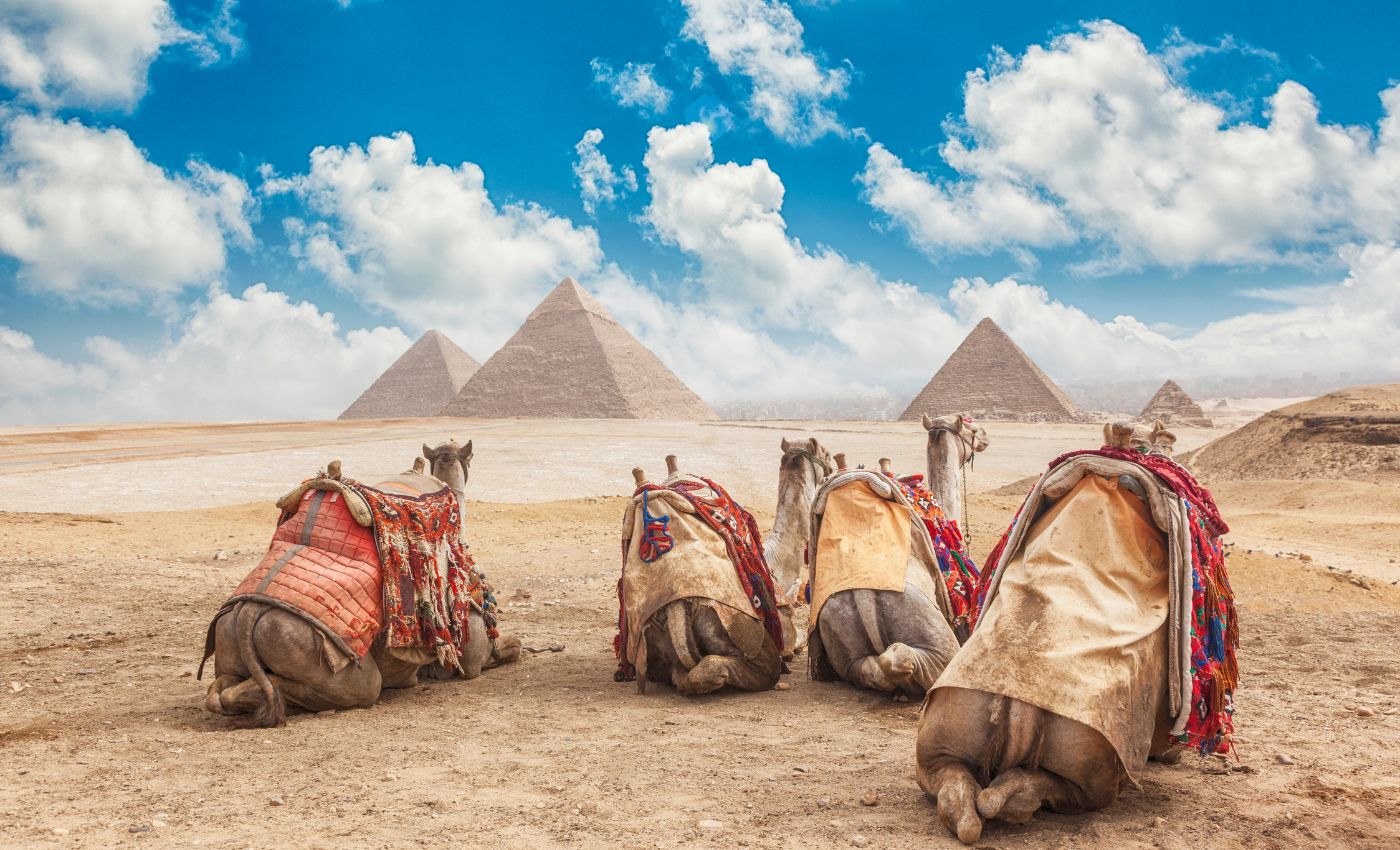
Start Your Morning at Giza
If this is your first time in Cairo, I would start with the Pyramids of Giza.
And I would start early.
The Giza Plateau is much easier to enjoy in the morning, especially during the warmer months. The light is also good for photographs, and getting there early gives you more time before the area becomes busy.
The three main pyramids were built for Khufu, Khafre, and Menkaure. The Great Pyramid of Khufu is the largest and is the only surviving Wonder of the Ancient World.
You do not need to rush from one pyramid to another. Take a little time to walk around and look at the site from different angles. The size of the monuments is difficult to appreciate from photographs.
If you are trying to organize several attractions in one day, Cairo day tours can be a practical option for travelers who would rather have transportation and the main stops organized in advance.
If you want to enter one of the pyramids, check the ticket arrangements before your visit. Going inside is a completely different experience from seeing the pyramids from the outside, but it is not necessarily something every traveler needs to do.
For most first-time visitors, I would allow around two or three hours for Giza.
Don’t Forget the Sphinx
The Great Sphinx is close to the pyramids, but it is easy to treat it as just another photo stop.
Spend a few minutes actually looking at it.
The monument has the body of a lion and the head of a king, and it is closely connected with the pyramid complex of Khafre. From the Sphinx area, you can also get a different perspective of the surrounding temples and monuments.
This is one of those places where having someone explain what you are looking at can make a difference. Without some background, it can be difficult to understand how the different parts of the ancient complex fit together.
Start Early If You Can
There is a good reason many travelers prefer visiting Giza early in the morning.
Apart from avoiding some of the heat and larger crowds, the atmosphere around the pyramids can feel very different at the beginning of the day.
For travelers who specifically want an early start and good morning light, a sunrise Giza Pyramids tour can be worth considering.
You do not have to arrive at sunrise to enjoy Giza, but starting early is particularly useful if you only have one day in Cairo.
Stop for Egyptian Food
After a morning at Giza, you will probably be ready for lunch.
This is a good time to try something local instead of looking for familiar international food.
Koshari is an easy place to start. It is made with rice, pasta, lentils, chickpeas, tomato sauce, and crispy onions. It sounds like a strange combination the first time you hear about it, but it works.
You could also try kofta, grilled chicken, ful medames, or Egyptian falafel.
One practical tip: ask someone local for a restaurant recommendation rather than choosing a place simply because it is next to a major tourist attraction. The best meal of your trip may not be in the most obvious location.
Spend the Afternoon in Old Cairo
After Giza, the atmosphere changes completely.
Old Cairo has narrow streets, historic churches, old mosques, traditional houses, and small shops. It does not feel anything like the open archaeological landscape around the pyramids.
Coptic Cairo is a good place to start if you are interested in the religious history of the city.
The Hanging Church is one of the area’s best-known landmarks. The Church of St. Sergius and Bacchus is also worth seeing, particularly if you are interested in the early Christian history of Egypt.
You do not necessarily need to visit every building. Walking around and taking in the surroundings is part of the experience.
This is also where comfortable shoes become important. Cairo sightseeing can involve considerably more walking than people expect.
Continue Toward Historic Islamic Cairo
If you still have time, continue toward Islamic Cairo.
This part of the city is filled with historic mosques, old buildings, workshops, small stores, and busy streets. One of the most interesting places to walk is Al-Muizz Street, where many historic buildings are concentrated along the route.
The area is especially interesting if you enjoy architecture. You will see details that are easy to miss when moving quickly—old doors, stone carvings, wooden balconies, and decorative entrances.
You also get a glimpse of everyday Cairo at the same time. People are going about their business, shops are opening and closing, and the streets can be busy well into the evening.
That combination of history and ordinary life is one of the things that makes Cairo different from a traditional open-air museum.
End the Day at Khan el-Khalili
By evening, make your way to Khan el-Khalili.
The historic bazaar is one of Cairo’s most recognizable areas, and it is particularly atmospheric later in the day.
You will find souvenirs, spices, jewelry, traditional crafts, clothing, perfumes, and plenty of things you probably did not plan to buy.
Expect shopkeepers to approach you. It is part of the experience, and you do not have to buy anything. If you are not interested, a friendly “no, thank you” is usually enough.
If you do want to shop, compare prices before buying and remember that bargaining is common in many parts of the market.
At some point, stop at a traditional café. Have tea, coffee, or another local drink and simply watch the street for a while.
After a full day of sightseeing, that can be more enjoyable than adding another attraction to the schedule.
What About the Egyptian Museum or Grand Egyptian Museum?
This is where you have to make a choice.
If museums are a major reason for your visit, you can replace Old Cairo or part of the afternoon with a museum visit.
The Grand Egyptian Museum is particularly relevant for travelers interested in ancient Egyptian history, while Cairo’s historic areas offer a very different experience.
Trying to visit Giza, a museum, Old Cairo, and several other attractions in one day can become difficult because Cairo traffic is unpredictable.
This is one reason many visitors choose to arrange their transportation in advance. A private vehicle can save time between locations, especially when you are working with only one day.
A Few Things I Would Keep in Mind
Cairo is busy. Sometimes very busy.
The distance between two attractions may look short on a map, but traffic can turn a short drive into a much longer one. Do not build an itinerary where every hour is already accounted for.
Weather matters too. During the hotter months, the pyramids can feel extremely hot because much of the site is exposed to the sun. Water, sunglasses, sunscreen, and a hat are worth carrying.
Dress comfortably and respectfully, particularly when visiting religious sites. Some places may have specific expectations about clothing.
And give yourself permission to slow down.
You do not get extra points for visiting ten attractions in one day.
A Simple One-Day Schedule
If you want a basic structure, something like this works well:
- Morning: Giza Pyramids and Great Sphinx
- Late morning: Continue exploring Giza and take photographs
- Lunch: Try traditional Egyptian food
- Afternoon: Coptic Cairo and Old Cairo
- Late afternoon: Historic Islamic Cairo and Al-Muizz Street
- Evening: Khan el-Khalili and a traditional café
You can adjust the afternoon depending on your interests. Someone fascinated by ancient Egypt may prefer to spend longer around Giza or visit a museum. Someone interested in architecture and local culture may prefer more time in Old Cairo.
Is One Day Enough?
Not really—but it can be enough for a first taste.
Cairo is too large and too layered to understand in a single day. The city has ancient Egyptian history, Coptic Christian heritage, Islamic architecture, modern neighborhoods, busy markets, and everyday life all existing alongside each other.
The trick is not to see all of it.
Pick a few places, leave enough time to enjoy them, and accept that you will miss some things. That is probably the best reason to come back.
A one-day visit can give you the pyramids, the Sphinx, historic Cairo, local food, and the atmosphere of Khan el-Khalili. It will not tell you everything about Cairo—but it will give you a good reason to return.