My First Scuba Diving Adventure in the Andaman Islands: A Journey Beneath the Waves

|
Getting your Trinity Audio player ready...
|
The Andaman and Nicobar Islands, a tropical paradise nestled in the Bay of Bengal, have long been a dream destination for adventure seekers and nature lovers. Among the many thrilling activities these islands offer, scuba diving stands out as a must-do experience. In this blog post, I’ll take you through my unforgettable first scuba diving adventure in the Andaman Islands, sharing every detail of the exhilarating journey beneath the turquoise waves. If you’re planning a trip to the Andamans or curious about scuba diving, this guide is for you!
Why Choose the Andaman Islands for Scuba Diving?
The Andaman Islands are renowned for their crystal-clear waters, vibrant coral reefs, and diverse marine life, making them one of the best scuba diving destinations in India. Whether you’re a beginner or an experienced diver, the islands offer a range of dive sites catering to all skill levels. From the colorful coral gardens of Havelock Island to the underwater volcanic formations of Barren Island, the Andamans promise an immersive experience in a pristine underwater world.
For my first scuba diving adventure, I chose Havelock Island (now known as Swaraj Dweep), a popular hub for water sports and home to some of the best dive sites in the region. The warm waters, excellent visibility (up to 30 meters on good days), and abundant marine life made it the perfect place to take my first plunge.
Key Highlights of Scuba Diving in the Andaman Islands:
-
Rich Marine Biodiversity: Expect to see tropical fish, sea turtles, reef sharks, manta rays, and vibrant corals.
-
Beginner-Friendly Dive Sites: Sites like Aquarium and Turtle Bay are ideal for first-timers.
-
PADI-Certified Dive Centers: Professional instructors ensure safety and a memorable experience.
-
Year-Round Diving: The best time is October to May, with calm seas and pleasant weather.
Preparing for My First Scuba Dive
As a first-time diver, I was both excited and nervous. I had never ventured into the ocean’s depths before, and the idea of breathing underwater felt surreal. To ease my nerves, I did some research and chose a reputable PADI-certified dive center on Havelock Island. Most dive centers in the Andamans offer introductory dives (also called “Discover Scuba Diving”) for beginners, which require no prior experience or certification.
Pre-Dive Preparation:
-
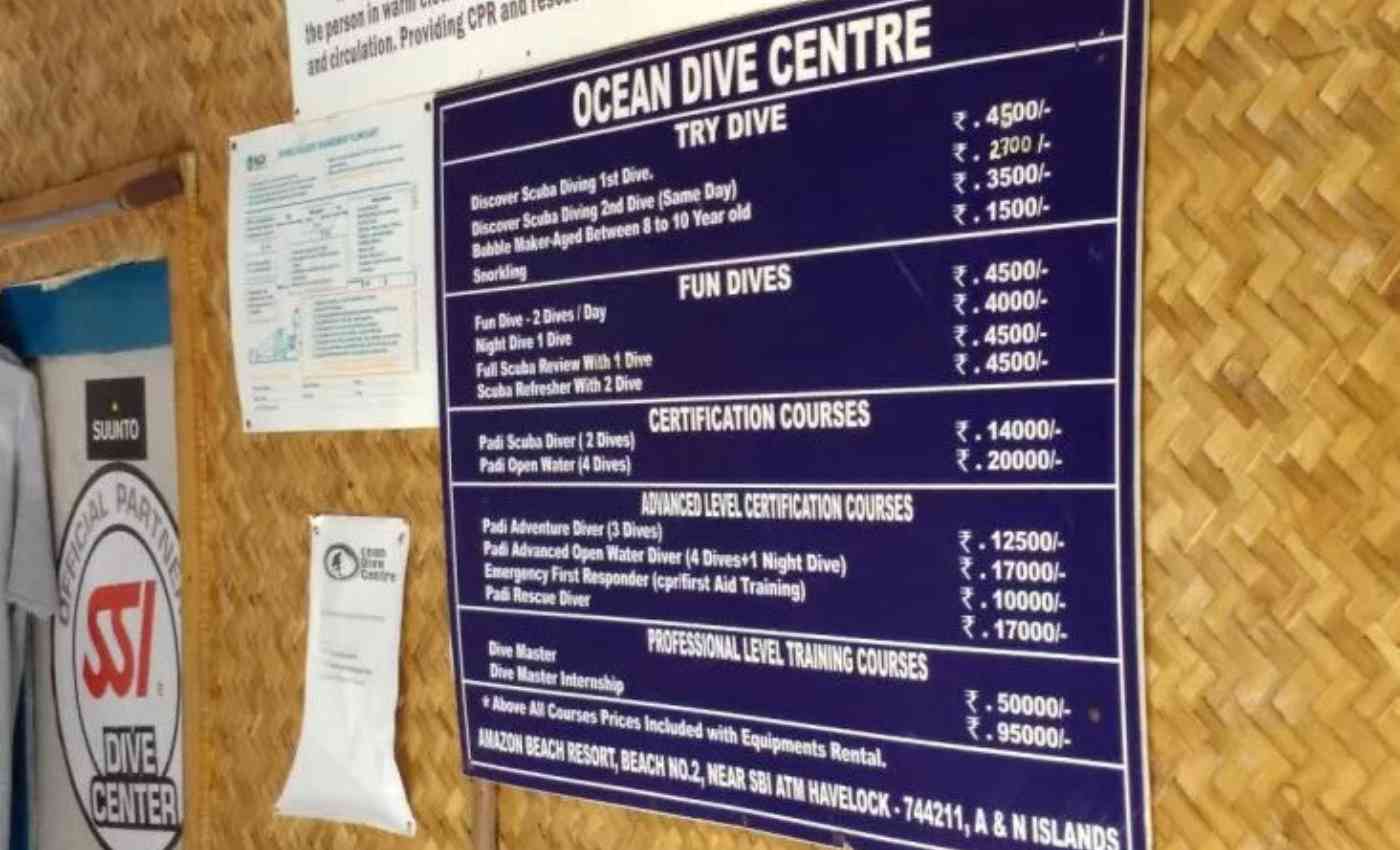
Booking the Dive: I booked my dive in advance through the dive center’s website, ensuring a spot during the peak season (December to March). The cost for a beginner dive typically ranges from INR 3,500 to INR 6,000, depending on the dive site and inclusions.
-
Health Check: Before the dive, I filled out a medical questionnaire to confirm I had no conditions (like asthma or heart issues) that could pose risks underwater.
-
Training Session: The dive center provided a 30-minute briefing covering the basics of scuba diving, including:
-
How to use the scuba gear (mask, fins, oxygen tank, regulator, and buoyancy control device).
-
Hand signals for underwater communication (e.g., “OK,” “ascend,” or “problem”).
-
Breathing techniques (slow, deep breaths to conserve oxygen).
-
Safety protocols, like equalizing ear pressure during descent.
-
The instructor’s calm demeanor and clear explanations boosted my confidence. I was ready to dive into the unknown!
The Big Day: My Scuba Diving Experience
On the morning of the dive, I woke up to the sound of waves crashing against the shores of Havelock Island. The dive center arranged a boat transfer to the dive site, a short 15-minute ride from the shore. Our destination was Turtle Bay, a beginner-friendly site known for its shallow waters (8-12 meters deep) and thriving coral reefs.
Gearing Up
At the dive site, the instructor helped me put on the scuba gear. The oxygen tank felt heavy on my back, but once I entered the water, it became weightless. After a final equipment check and a quick practice of breathing through the regulator, we were ready to descend.
The Descent
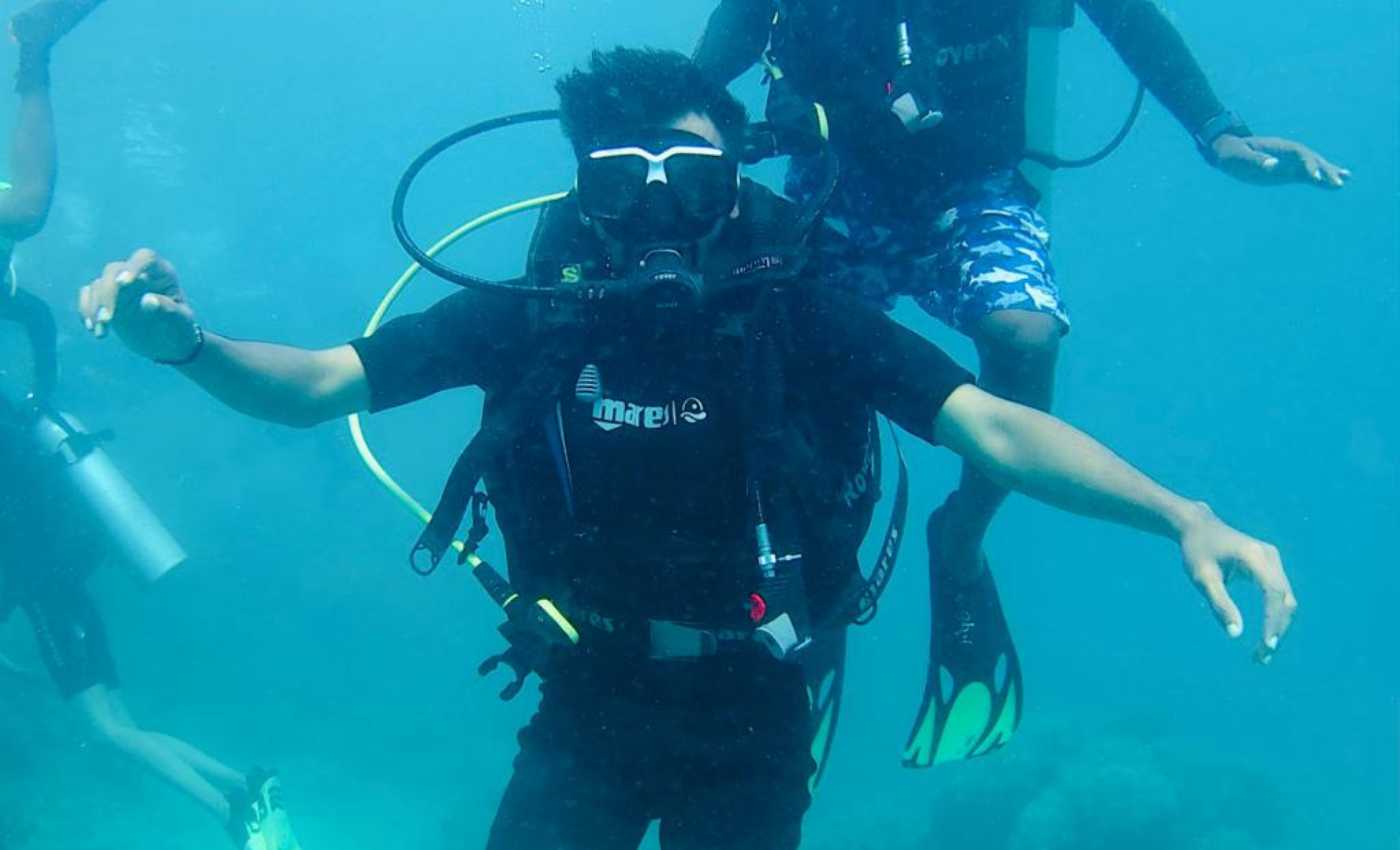
As I submerged, the world above faded away, replaced by a serene underwater realm. The initial descent was slow to allow my ears to adjust to the pressure (I used the Valsalva maneuver—pinching my nose and blowing gently—to equalize). Within moments, I was fully underwater, breathing steadily through the regulator. The sensation of weightlessness was unlike anything I’d ever experienced—it felt like floating in space!
Exploring the Underwater World
The underwater scenery at Turtle Bay was breathtaking. Schools of vibrant parrotfish, angelfish, and clownfish darted around colorful coral formations. I spotted a majestic sea turtle gliding gracefully nearby, its flippers moving in slow motion. The corals, in shades of purple, green, and orange, swayed gently with the current. At one point, a curious reef shark swam past in the distance, adding a thrill to the experience.
My instructor guided me through the dive, pointing out unique marine life and ensuring I stayed safe. We floated along the reef for about 40 minutes, maintaining a depth of around 10 meters. The water was warm (around 28°C), and the visibility was excellent, allowing me to take in every detail of this underwater paradise.
The Ascent
As our oxygen levels neared the reserve limit, the instructor signaled it was time to ascend. We rose slowly to avoid decompression sickness, pausing for a safety stop at 5 meters. Back on the boat, I was buzzing with adrenaline and couldn’t stop talking about the incredible sights I’d witnessed.

Tips for First-Time Scuba Divers in the Andaman Islands
Based on my experience, here are some practical tips to make your first scuba diving adventure in the Andamans unforgettable:
-
Choose a Reputable Dive Center: Look for PADI or SSI-certified centers with experienced instructors. Popular options on Havelock Island include Barefoot Scuba, Dive India, and Andaman Bubbles.
-
Book in Advance: Dive slots fill up quickly during peak season (October to May). Reserve your spot at least a week ahead.
-
Stay Hydrated: Drink plenty of water before the dive to stay energized and avoid dehydration.
-
Don’t Touch Marine Life: Respect the underwater ecosystem by avoiding contact with corals or fish.
-
Bring a Waterproof Camera: Many dive centers offer underwater photography services, or you can rent a GoPro to capture the moment.
-
Relax and Breathe: If you feel nervous, focus on slow, steady breaths to stay calm underwater.
-
Plan Multiple Dives: If you love your first dive, consider signing up for a PADI Open Water Diver course to explore deeper sites.
Why Scuba Diving in the Andamans is a Must-Do
My first scuba diving experience in the Andaman Islands was nothing short of magical. It opened my eyes to the wonders of the underwater world and left me eager to explore more. The combination of professional guidance, stunning marine life, and the thrill of breathing underwater made it an adventure I’ll cherish forever.
Whether you’re a thrill-seeker or simply looking to connect with nature, scuba diving in the Andamans offers an unparalleled experience. Havelock Island, with its accessible dive sites and vibrant marine ecosystems, is the perfect place to start your underwater journey.
Ready to Dive In?
If you’re planning a trip to the Andaman Islands, don’t miss the chance to scuba dive. Book your dive with a trusted center, pack your sense of adventure, and get ready to explore the ocean’s depths. Have you tried scuba diving before, or is it on your travel list? Share your thoughts in the comments below, and let’s inspire each other to chase more unforgettable adventures!